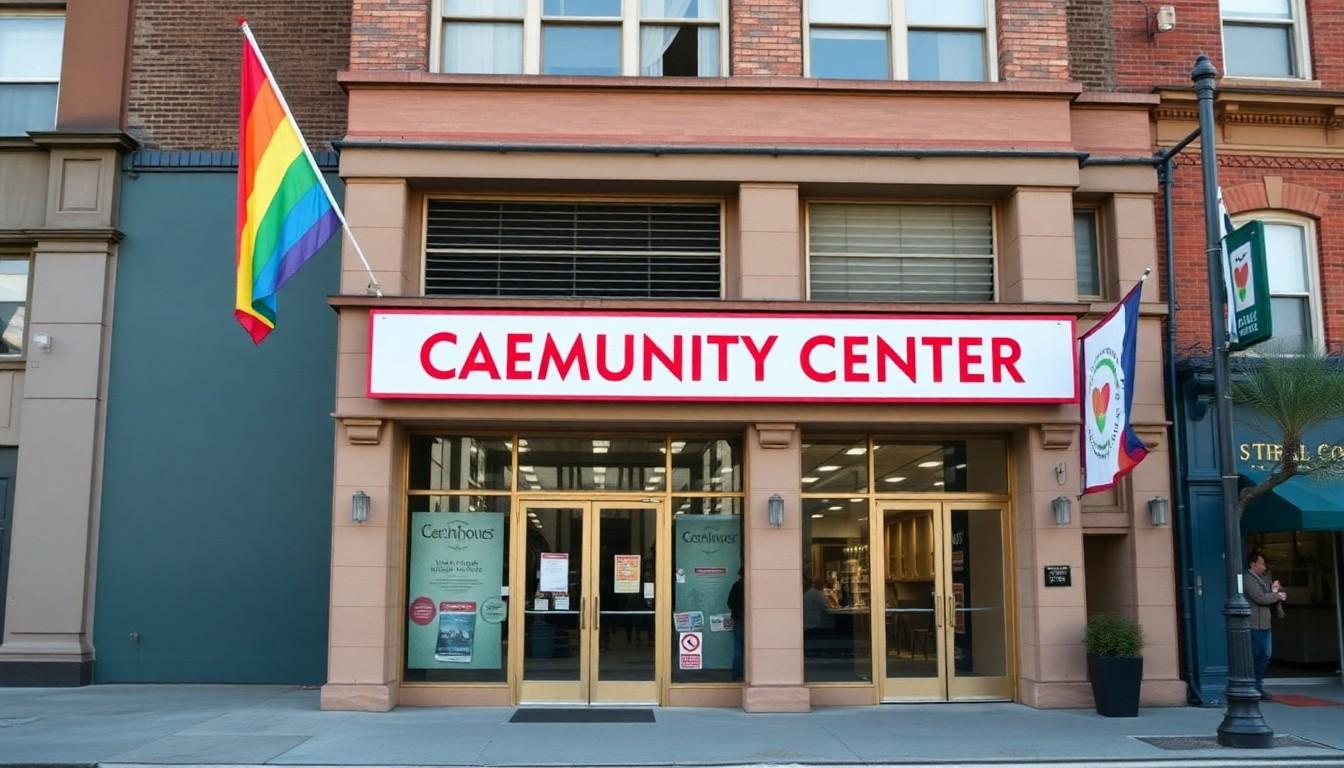
Online culture is full of phrases shaped by Black and Latino queer, trans and ballroom communities, but their popularity raises an awkward question: who gets celebrated when the language travels? Princess Jezebel argues that mainstream entertainment has embraced the vocabulary while trans people themselves remain stereotyped, targeted and pushed to the margins.
Essential Takeaways
- The language is widely used: Phrases such as "serving", "it's giving" and "spill the tea" have moved into everyday online conversation.
- Ballroom has deep roots: The culture grew through predominantly Black and Latino LGBTQ+ communities, with trans women playing a central role.
- Madonna's Vogue is a key example: The 1990 hit introduced ballroom-inspired performance to a huge international audience.
- The contradiction remains: Mainstream culture can profit from queer expression while trans people continue to face hostile representation and discrimination.
- Context matters: Using a phrase isn't the same as understanding, crediting or supporting the communities that shaped it.
The words that travelled far beyond the ballroom
Scroll through social media and you'll find ballroom language everywhere. Someone is "serving a look", a new restaurant is "giving", and a dramatic story might invite someone to "spill the tea". The phrases feel casual now, almost weightless, but their history is anything but.
Princess Jezebel says that shift deserves closer attention. Her concern isn't simply that mainstream audiences use the vocabulary. It's that the people and communities who created it can disappear from the story while the language becomes a source of status, humour and commercial value.
Ballroom culture developed as a creative refuge for Black and Latino LGBTQ+ communities, offering performance, competition, fashion and chosen family. As Vogue and History explain, its houses and balls provided space for people who were often excluded from conventional social and cultural institutions.
Madonna's Vogue made ballroom visible - and complicated
The clearest comparison is Madonna's "Vogue". Released in 1990, the single and its striking black-and-white video brought voguing and ballroom aesthetics to a global pop audience. MusicRadar's account of the track's rise shows how an initially modest idea became an international chart phenomenon.
That visibility mattered. Suddenly, a dance vocabulary born in marginalised communities was being watched by millions. But visibility and recognition aren't identical, and this is where the cultural debate becomes more uncomfortable.
Vogue's history notes that the song's success helped introduce ballroom style to the mainstream, while later commentary has questioned how fully the original communities were credited. As Them reports, the relationship between Madonna, ballroom and films such as Paris Is Burning remains influential, but it also exposes the difference between borrowing an aesthetic and materially supporting its creators.
Why the contradiction still stings
Jezebel links today's casual language to a longer history of media representation. She recalls watching The Silence of the Lambs as a child and seeing gender transition associated with a murderous villain. In her view, that kind of imagery helped teach audiences to fear trans people, even as mainstream culture later adopted expressions developed within trans and queer communities.
It's a sharp contradiction. The language can be considered fashionable, funny or commercially useful, while the people most closely connected to its origins remain subject to suspicion and political hostility.
The issue isn't that every person using "it's giving" needs a lecture before posting. Language naturally moves, changes and gets remixed. But, as IntoMore's discussion of ballroom's cultural colonisation suggests, the pattern becomes troubling when adoption strips away history and leaves creators with little recognition, protection or financial benefit.
How to use queer slang with more awareness
A little context goes a long way. If a phrase comes from a community with a history of exclusion, treating it as a disposable internet accessory can flatten something much richer. It may help to learn where terms came from, follow creators from those communities and support trans and queer artists directly.
The same applies to fashion, dance and visual style. Voguing isn't merely a dramatic pose for a music video, and ballroom isn't just a glamorous backdrop. Vogue's oral history highlights the people, houses and experiences behind the culture, giving a fuller picture than a quick trend cycle ever can.
For brands and media companies, the responsibility is greater still. Hiring queer and trans talent, naming creative influences, paying contributors properly and avoiding stereotypes are practical steps, not decorative gestures. Credit should travel alongside the culture.
The next phase should be more than imitation
Ballroom's influence is now impossible to miss. Its language appears in memes, advertising, television and celebrity interviews, while its performance styles continue to shape music and fashion. That reach can be a form of recognition, but only if the history stays visible.
Jezebel's argument is ultimately about who gets to be fully human in the mainstream. A culture may celebrate the phrases created by trans people while still refusing to listen to trans people themselves. Until that gap narrows, the compliments will feel strangely hollow.
The best response isn't to freeze language in place. It's to use it with curiosity, acknowledge its roots and make room for the people who gave it life.
It's worth knowing who made the language sparkle before the mainstream picked it up.
Source Reference Map
Story idea inspired by: [1]
Sources by paragraph:
- Paragraph 1: [2], [3]
- Paragraph 2: [4], [5]
- Paragraph 3: [6], [7]
- Paragraph 4: [2], [5]
- Paragraph 5: [3], [4]
- Paragraph 6: [5], [7]
- Paragraph 7: [4], [6]
- Paragraph 8: [2], [3]
- Paragraph 9: [4], [5]
- Paragraph 10: [6], [7]
- Paragraph 11: [2], [4]
- Paragraph 12: [3], [5]
- Paragraph 13: [4], [7]
- Paragraph 14: [2], [3]