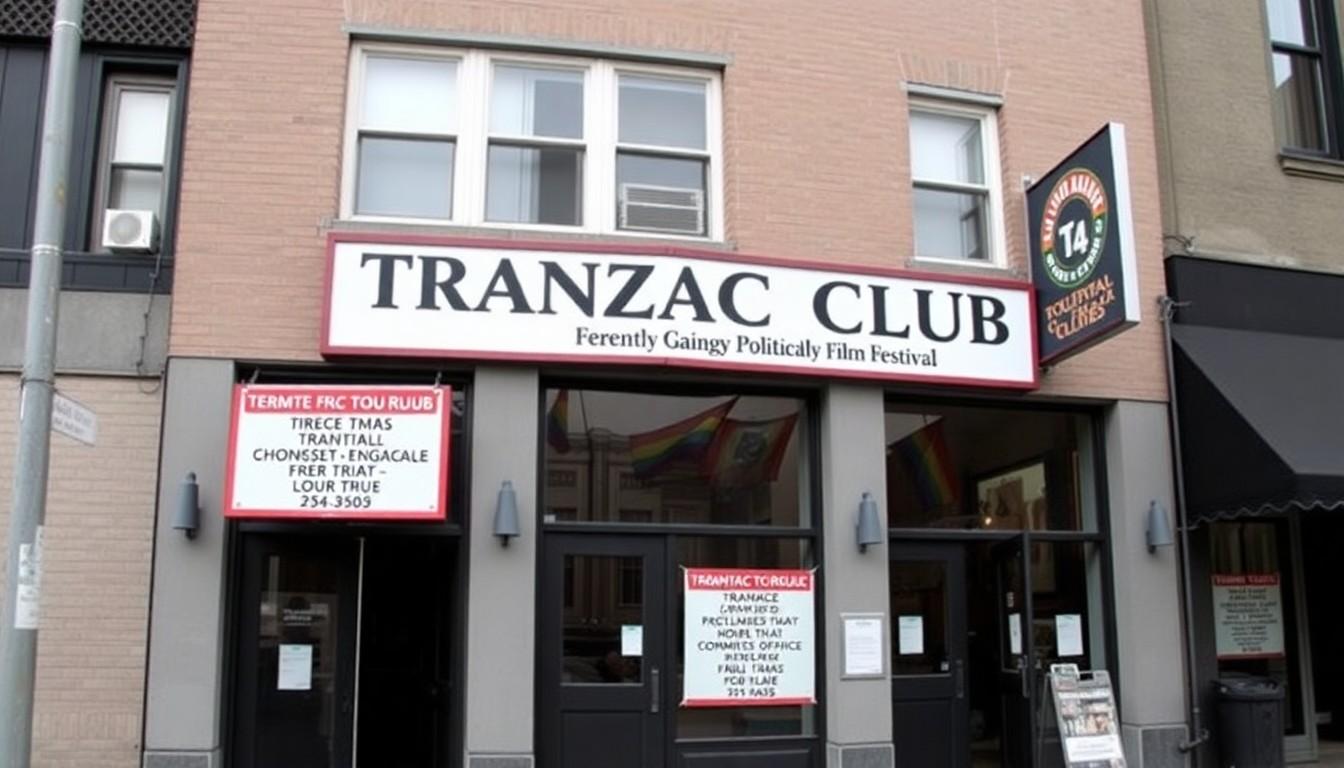
Film fans are heading to Toronto’s Tranzac Club from 14 to 18 October 2026 for the Toronto Queer Film Festival’s tenth anniversary. With pay-what-you-can screenings, accessible venues and films made by queer and trans artists, the festival offers a lively alternative to polished, corporate culture programming.
Essential Takeaways
- Ten years of queer cinema: TQFF marks its anniversary with a politically charged programme.
- A broad, bold line-up: Expect features, shorts, creative non-fiction and experimental films.
- Pay what you can: Audiences won't be turned away because they can't afford a ticket.
- Accessibility matters: Screenings are closed-captioned, while industry events offer CART captioning.
- Safer in-person viewing: Attendees must wear N95 masks, with free masks available at the festival.
A decade of films that refuse to play it safe
The Toronto Queer Film Festival has reached its tenth year with its edge intact. Founded in 2016 as a response to more mainstream, institution-led queer cultural programming, it was built around films that engage directly with political life and amplify artists often left outside established systems. According to the festival's background materials, that commitment remains central to its identity. [2]
This year's theme, "Pissed Off, Still Laughing", captures the mood neatly. It acknowledges the pressure facing 2SLGBTQIA+ communities while leaving room for camp, mischief and joy. That combination feels less like a neat slogan than a survival tactic, and it's likely to give the anniversary edition its particular spark.
What to expect at TQFF 2026
The programme stretches well beyond conventional narrative features. Audiences can explore short-film collections, experimental work, creative non-fiction and discussions that treat queer cinema as a living conversation rather than a finished category. The festival's 2026 programme sets out a packed schedule across the anniversary run. [3]
Alongside screenings, TQFF is staging talks and participatory events covering subjects including performance, craft and queer cultural practice. Events such as "Vital Transgressions: Screening + Talk" add a more reflective layer, while other sessions lean into play and spectacle. [5]
That variety is part of the appeal. You might arrive for a film and leave having discovered a workshop, a conversation or an artist whose work stays with you well after the lights come up.
The short films turn anger into play
The "Playplace" programme is particularly well matched to the festival's anniversary theme. Its films explore queer people making space for themselves, bending social expectations and finding humour in structures that can otherwise feel relentlessly heavy. The official event listing presents it as a programme built around play, freedom and unruly imagination. [4]
One standout is "Double Chesticle Extraction", a goth comedy framed like an online instructional video. Its deliberately strange premise and campy tone turn the anxieties of medical transition into something stylised, funny and a little unsettling. It sounds like exactly the kind of film that rewards a cinema audience, where the shared laughter becomes part of the experience.
The closing short, "SLAM DUNK", takes a warmer route, reflecting on death, escape and the possibility of finding a little tenderness in a difficult world. Together, the films suggest that queer cinema doesn't have to choose between political seriousness and pleasure. It can be furious, ridiculous and unexpectedly soft all at once.
A festival designed to lower the barriers
TQFF's pay-what-you-can approach makes the event more welcoming to audiences on different budgets. That's more than a pricing detail: it reflects a wider effort to challenge the idea that cultural participation should depend on disposable income. The festival's published information confirms that no one will be refused entry because they can't pay. [2]
Accessibility is also built into the viewing experience. All screenings include closed captions, and industry panels provide Communication Access Realtime Translation captioning. For anyone who finds traditional festival culture expensive, formal or difficult to navigate, those practical choices can make a significant difference.
If you're planning to attend, check the individual event details before travelling. The festival includes different formats and venues, so confirming timings, access information and whether a particular film is available online will help you build a less frantic schedule. The official listings provide the most useful place to start. [3]
Toronto audiences can watch in person or online
The main festival takes place at the Tranzac Club, at 292 Brunswick Avenue, from 14 to 18 October. The location gives the event a concentrated, community-focused feel rather than the sprawling atmosphere of a large commercial festival. That intimacy can be a real advantage when the films are designed to provoke conversation. [3]
For viewers who can't attend every screening, programming will also be available online from 20 to 25 October. Some works, however, may be exclusive to in-person screenings, so online access shouldn't be treated as a complete substitute. "Playplace", for example, includes at least one film the organisers have identified as unavailable digitally. [4]
The festival's approach to health and safety is equally clear. In-person attendees are required to wear N95 masks, and free masks will be available. It's a practical reminder that a genuinely inclusive cultural event has to consider disabled and immunocompromised audiences, not simply invite everyone through the door.
Why this anniversary feels important
A tenth anniversary is usually a moment for looking back, but TQFF is using it to ask what queer cultural spaces should do next. Its programme places solidarity, experimentation and access alongside the films themselves, suggesting that the festival sees exhibition as a form of community work. The range of 2026 events, from screenings to talks, reflects that broader ambition. [5]
There is something reassuring about a festival that can hold anger and laughter in the same room. The title may sound cheeky, but the idea behind it is serious: people can recognise injustice without surrendering pleasure, creativity or the right to celebrate.
For Toronto filmgoers, that makes TQFF 2026 more than an anniversary season. It's an invitation to watch differently, meet people outside the usual cultural circuit and make a little noise while the credits roll.
Explore the programme, choose your films and leave room for surprise.
Source Reference Map
Story idea inspired by: [1]
Sources by paragraph: