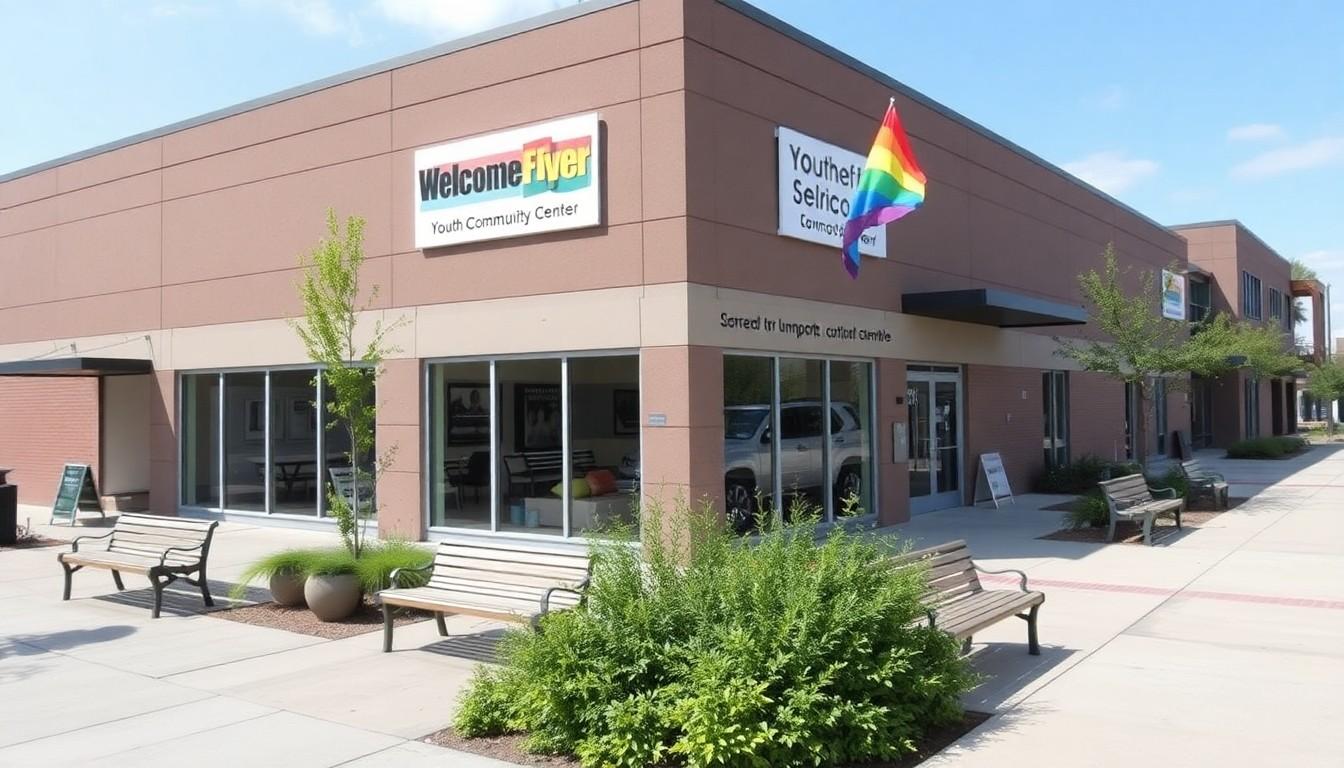
Schools, families and supporters are turning Spirit Day into a visible show of solidarity for LGBTQ+ young people. Held each October, the campaign encourages people to wear purple and speak out against bullying, while research shows why that message still matters in classrooms and communities.
Essential Takeaways
- Spirit Day is in October: Supporters wear purple to show acceptance and reject anti-LGBTQ+ bullying.
- The need is real: LGBTQ+ pupils face higher risks of harassment, isolation and poor mental health than their peers.
- Visibility can help: Supportive adults, inclusive policies and affirming peer networks can make schools feel safer.
- Disabled LGBTQ+ young people need specific support: They may face overlapping forms of discrimination and exclusion.
- Small actions count: Listening, challenging slurs and displaying supportive messages can change the atmosphere around a young person.
Why Spirit Day still matters
A purple jumper might look like a small gesture, but on a school corridor it can carry real weight. Spirit Day gives people a simple way to say that LGBTQ+ pupils deserve safety, dignity and belonging, not whispered jokes or hostile comments.
The campaign is especially important because bullying doesn't stop at the school gate. It can spill into social media, friendship groups and family life, leaving young people feeling watched, isolated or forced to hide part of themselves. The Centers for Disease Control and Prevention links these pressures with wider health disparities affecting LGBTQ+ youth.
The evidence behind the purple
Research has repeatedly connected bullying and discrimination with anxiety, depression, self-harm risk and disengagement from education. A study published in JAMA Pediatrics found that victimisation among sexual-minority adolescents is associated with serious mental-health consequences, underlining why prevention matters rather than waiting for a crisis.
Figures gathered by the Human Rights Campaign also show that LGBTQ+ young people often navigate a mix of rejection, harassment and uncertainty. These experiences aren't identical for everyone, but the pattern is clear: young people need adults who take concerns seriously and respond consistently.
Support must include disabled LGBTQ+ pupils
For disabled LGBTQ+ young people, the pressure can be layered. They may encounter ableism alongside homophobia, biphobia or transphobia, while accessibility barriers can make it harder to find supportive groups or report mistreatment.
The Human Rights Campaign's report on disabled LGBTQ+ youth highlights the importance of listening to young people as whole people, rather than treating each part of their identity separately. In practice, that means accessible anti-bullying reporting, inclusive lessons, trusted staff and spaces where pupils don't have to explain themselves repeatedly.
What schools and families can do
Wearing purple is a useful starting point, but the strongest support is practical. Schools can make reporting routes clear, challenge slurs immediately, include LGBTQ+ lives in teaching and ensure staff know how to respond without putting the burden on the pupil.
Families can help by listening calmly, using a young person's chosen name and pronouns, and asking what support feels safe. It also helps to avoid turning every conversation into an interrogation. Sometimes the most reassuring sentence is simply, "I believe you, and we can work this out together."
A day of visibility, not a one-day promise
National awareness days can come and go quickly, especially when the posters are taken down and the purple clothing returns to the wardrobe. Spirit Day works best when it opens a longer conversation about belonging, safeguarding and respect throughout the year.
For supporters, that might mean joining a school activity, donating to a youth organisation or learning how to interrupt bullying without escalating the situation. For young people, seeing even one dependable ally can make a difficult environment feel less lonely.
It's a small splash of purple with a much bigger message: LGBTQ+ young people deserve to feel safe every day.
Source Reference Map
Story idea inspired by: [1]
Sources by paragraph: