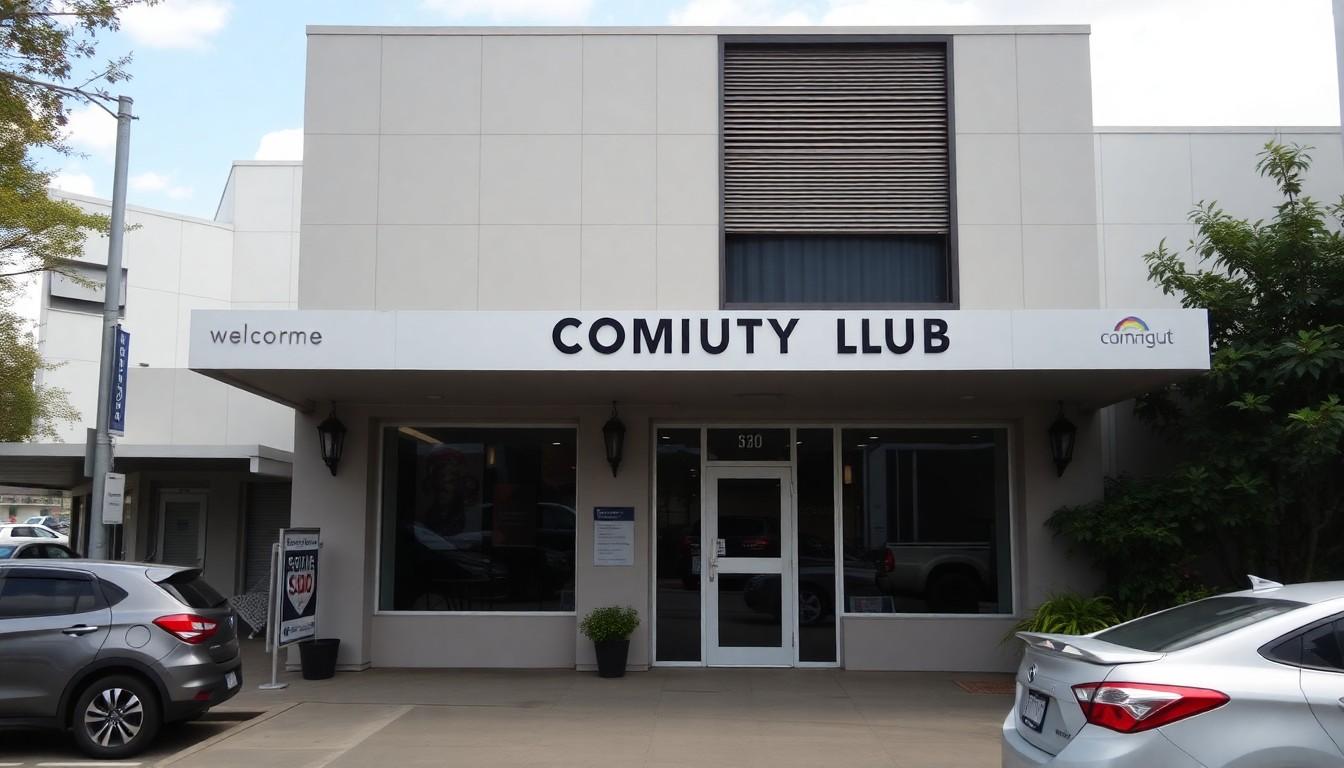
BrisBears is restoring Den Night as a male-only gathering in Brisbane, reigniting a wider conversation about gay men’s spaces, bear culture and the balance between identity and inclusion. The club says the decision reflects member wishes and its financial recovery, while critics argue stronger events, venues and atmosphere may matter more than narrowing the guest list.
Essential Takeaways
- Den Night is changing: BrisBears says the event will return to its traditional male-only format.
- Members made the call: President David Hill said the decision followed consultation and an annual general meeting.
- The club’s identity matters: BrisBears describes itself as a masculine-centred bear community for gay men and their admirers.
- The response is divided: Supporters see the move as protecting a distinct subculture, while critics fear it excludes femme, trans and non-binary bears.
- Event quality is part of the debate: Some community members say cramped venues and tired music could be bigger deterrents than inclusivity.
Why BrisBears Is Bringing Back a Male-Only Den Night
BrisBears has confirmed that Den Night will return to its previous male-only format after being held in a public bar in 2025. The temporary arrangement opened the event to a broader crowd, including women, but the club says that was a practical response to venue problems rather than a permanent change in direction. According to the Star Observer, the club now wants to re-establish its longstanding identity.
That identity is rooted in bear culture, which traditionally celebrates body hair, bigger bodies, maturity, masculinity and the easy camaraderie of gay men gathering together. It isn't the polished, one-size-fits-all version of queer nightlife, and that's precisely the point for many members. BrisBears' own public presence presents the club as a social community built around shared interests and connection, rather than simply another night out. [2], [4]
Members Say This Is About Belonging, Not Rejection
President David Hill said the decision came from the club's active membership, rather than being imposed by the committee. The club has also linked its recent difficulties, including falling membership and financial pressure, to a gradual drift from its traditional character. That argument will sound familiar to many community groups: when a niche organisation loses its defining purpose, it can become harder for people to understand what they are joining.
Supporters have stressed that a dedicated men's space doesn't have to mean hostility towards anyone else. Holden Sheppard, the author of Invisible Boys, argued that gay men's spaces for bears and people who feel outside conventional expectations remain valuable alongside broader LGBTQIA+ venues. Bear groups in other Australian cities similarly promote social nights, community events and low-pressure ways for newcomers to meet people, suggesting the format remains popular when it feels welcoming and clear. [4], [6]
The Complicated Question of Who Counts as a Bear
The backlash centres on a more difficult question than a door policy: who gets to define bear culture? Critics argue that femme bears, trans bears and non-binary bears are still bears, and that excluding them from events risks treating masculinity as a narrow performance rather than a broad, lived identity.
That concern is especially sharp because the club says it welcomes gay men and their admirers while also describing itself as masculine-centred. In practice, guests may reasonably wonder whether an admirer, partner or supporter must fit a particular look or presentation. Other bear communities advertise events in a more open, social style, including first-timer guidance and themed gatherings, which shows how much room there is for different models. [4], [5]
BrisBears has said its decision isn't intended as a rejection of other gender expressions or LGBTQIA+ groups. The wider community can contain lesbian, leather, drag, trans, sporting and bear organisations without every group needing identical rules. That principle is persuasive up to a point, but it depends on the boundaries being communicated with care and applied consistently.
Could Better Events Be the Real Fix?
Some critics have challenged the idea that inclusivity caused the club's decline. Their view is that people are more likely to stay home because a venue feels cramped, the music feels dated or the night lacks energy than because another kind of guest is present. It's a fairly practical observation: even the strongest community identity needs a comfortable room, a decent sound system and a reason to come back.
Other bear events across Australia lean into a mix of socialising, themed nights and community-building, with listings that make the experience easy to understand before people arrive. A clear dress code or audience policy may help, but it won't compensate for poor lighting, awkward layouts or an atmosphere that feels stuck in the past. For fast-growing or financially fragile clubs, the best answer may be a sharper event concept rather than simply a narrower invitation list. [5], [7]
What Happens Next for BrisBears?
The club's immediate challenge is to make its restored identity feel positive rather than defensive. If Den Night is clearly presented as a specialist space, run well and supported by active members, it may reconnect with people who have missed that sense of belonging. The decision by former Mr Bear Queensland titleholder Alan Linneweber to defend the move also shows that the club retains goodwill among some members and past participants.
At the same time, the debate won't disappear just because the policy has been settled. Bear culture has always been broader than one body type or one version of masculinity, and communities evolve as the people within them do. BrisBears may ultimately be judged less by the announcement itself than by whether Den Night feels warm, lively and genuinely worth attending.
It's a small event-policy change carrying a very large conversation about queer community.
Source Reference Map
Story idea inspired by: [1]
Sources by paragraph: