Visitors are looking again at American art through a queer lens, thanks to curator and historian Jonathan David Katz. His exhibitions and teaching challenge museums to recognise LGBTQ+ artists, histories and identities as central rather than marginal, making the story of art richer, sharper and far more honest.
Essential Takeaways
- A wider art history: Queer perspectives reveal connections across artists, movements and eras.
- Exhibition-led change: Katz uses ambitious shows to bring scholarship beyond universities and into public view.
- A landmark project: The First Homosexuals examines how homosexual identity emerged through visual culture before 1939.
- Museums still matter: Representation can help visitors, especially younger LGBTQ+ people, see themselves in cultural history.
- The next frontier: Katz is developing work that explores trans histories in a global and colonial context.
The art world has been leaving out a vital story
American art can look very different once queer lives and relationships are placed in the frame. Familiar movements begin to acquire new tensions, private friendships become historically significant and supposedly universal ideas about creativity start to look rather less universal.
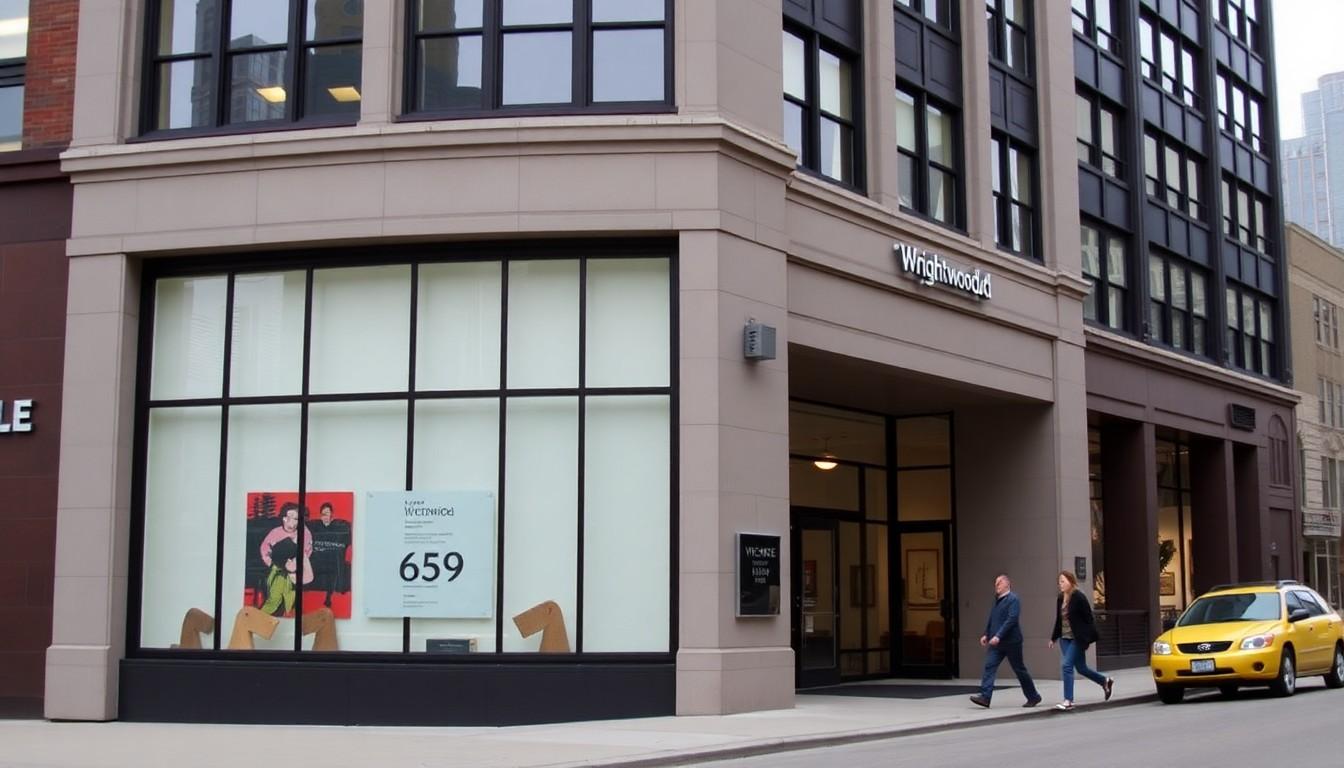
That is the argument behind Jonathan David Katz's curatorial work. His exhibition The First Homosexuals traces the formation of homosexual identity in visual culture from prehistory to 1939, bringing together objects and ideas that are often separated by conventional art history. Wrightwood 659 describes the project as an investigation into the birth of a modern identity, rather than a simple survey of LGBTQ+ artists. [2], [6]
The distinction matters. This isn't just about adding a few overlooked names to an established canon. It's about asking how identity itself has been represented, classified and controlled. As discussions at Wrightwood 659 make clear, that approach can turn the museum from a quiet storehouse into a place of argument. [4]
Why Katz chose exhibitions over academic walls
Katz's career grew from activism and scholarship, but he came to believe that museums could reach people in ways academic writing often can't. A journal article may influence specialists; a striking gallery display can stop a visitor in their tracks before they've even decided what they think.
That public-facing ambition runs through The First Homosexuals. The accompanying publication expands the exhibition's historical argument, showing how images, language and social structures helped shape ideas of same-sex desire and identity. Harvard's listing for the book reflects the project's deliberately broad historical scope. [5]
There is also a practical calculation here. Museums and galleries help decide which stories feel authoritative. If queer art is displayed only as a specialist footnote, visitors may assume it is peripheral. Put it at the centre of a carefully researched exhibition, and the hierarchy begins to shift.
A show built to challenge the usual timeline
One of the project's strengths is its refusal to treat queer history as a recent development. Instead, it looks backwards, examining the visual and cultural conditions through which a recognisable homosexual identity took shape before the mid-twentieth century.
That makes the exhibition more complicated than a straightforward celebration. It asks viewers to consider who had the power to name desire, whose bodies were visible and how modern categories travelled across societies. The result is a history that feels less tidy, but much more truthful.
Wrightwood 659's exhibition materials and related programming place the show within a wider conversation about identity, interpretation and the museum's responsibilities. Its symposium format also suggests that the project is intended to generate debate, not simply deliver a finished answer. [4], [6]
Why the museum setting changes the conversation
A museum gives ideas a particular weight. Labels, lighting, architecture and the presence of other visitors all signal that what you're seeing deserves attention. For queer audiences, that recognition can be quietly powerful, especially when their histories have often been presented as controversial, hidden or absent.
Katz's work also exposes a familiar cultural imbalance. Institutions may be willing to discuss difference in theory, yet hesitate when an exhibition asks them to reconsider the social structures behind their collections. That tension helps explain why queer art history can feel both long overdue and surprisingly disruptive.
Wrightwood 659 has built its identity around exhibitions that foreground subjects museums have historically treated as marginal, including queer, feminist, Asian and Latin American art. Its programme offers a useful reminder that the venue itself shapes how adventurous a show can be. [3], [6]
What comes next for queer and trans art history?
The next stage of Katz's work looks beyond gay and lesbian histories towards trans experience and the legacy of colonial ideas about gender. That expansion is important because categories that now appear natural or fixed have often been shaped by politics, language and power.
His teaching at the University of Pennsylvania is part of the same long-term strategy. The university's art history programme highlights his research and curatorial interests, linking exhibition-making with the training of scholars who may eventually work in museums, universities and cultural organisations. [3]
For visitors, the takeaway is pleasantly straightforward: look twice. A familiar painting, archive or artist may carry relationships and identities that older labels ignored. Queer art history doesn't shrink the canon, it makes the picture bigger.
Closing Line
The more honestly museums tell art's story, the more of that story we can finally see.
Source Reference Map
Story idea inspired by: [1]
Sources by paragraph: