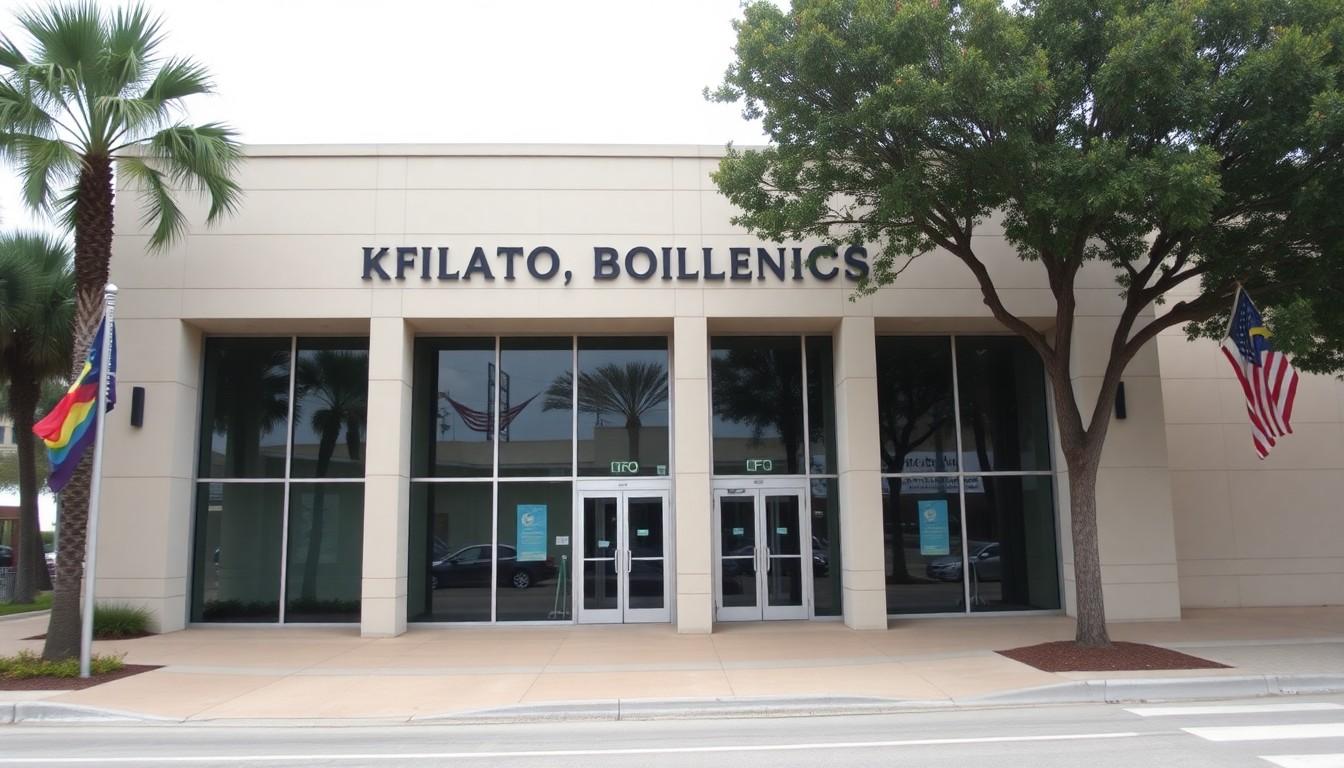
Thousands are expected at Orlando's Come Out With Pride festival, but a new Florida law is already raising questions about how openly the city can support it. The legislation takes effect in 2027 and could restrict local government funding, promotion and official participation in LGBTQ+ and other identity-focused events.
Essential Takeaways
- The law starts in 2027: SB 1134 will restrict certain local government DEI activities linked to identity and protected characteristics.
- Pride isn't banned: Orlando can still issue permits and host the festival, but official promotion and funding could become harder.
- Organisers are already worried: Come Out With Pride says participation from elected officials and parade groups has fallen.
- Other cities are pushing back: Miami Beach and Tallahassee have signalled support for diverse community programmes ahead of the law taking effect.
- The festival remains community-led: Corporate backing and strong attendance mean Orlando Pride isn't reliant on city funding alone.
Orlando Pride is still marching, but the mood has shifted
The most striking detail isn't that Orlando's Pride festival is disappearing. It isn't. The parade remains scheduled, and thousands of people are expected to fill downtown with colour, music and the familiar bright energy of a city celebrating its LGBTQ+ community.
The unease comes from what might be missing around the edges. According to Orlando Weekly, organisers have reported fewer parade participants and less involvement from elected officials and candidates, a sign that the law's influence may already be felt before it formally begins.
SB 1134 takes effect on 1 January 2027. The ACLU of Florida has warned that it could remove important tools from local governments dealing with discrimination, exclusion and hostile environments. That uncertainty can be powerful in itself, encouraging officials to step back rather than risk breaching the rules.
What Florida's new DEI law could mean
The legislation targets local government funding and promotion of diversity, equity and inclusion initiatives involving characteristics such as race, sex, gender identity and sexual orientation. It doesn't prohibit Pride festivals, nor does it prevent cities from granting permits for them.
The practical question is how far public support can go. Orlando officials may still attend, but official endorsement, public branding or financial assistance could become more complicated. Elected officials who violate the law may face serious consequences, including possible suspension from office, according to the bill analysis discussed by Orlando Weekly.
The ACLU of Florida has criticised the measure as an attack on local decision-making. Its concern is broader than Pride: arts events, cultural celebrations and community programmes centred on particular identities could all face a more cautious relationship with city hall.
That makes the law feel less like a simple switch and more like a dimmer control. The event can continue, but the public spotlight may become harder to keep on.
Orlando's Pride tradition has deep roots
Come Out With Pride began in 2005, but Orlando's LGBTQ+ organising stretches back much further. Earlier parades in the 1990s were smaller, local affairs, while campaigners spent years pressing for stronger protections and greater visibility.
The festival has since grown into one of Central Florida's biggest single-day events, attracting more than 200,000 locals and visitors from across the region. Rainbow flags appear across the city throughout the year, carrying both a message of welcome and a memory of the 2016 Pulse nightclub massacre.
That history matters because today's celebration didn't appear overnight. It was built through activism, business involvement, family traditions and generations of people insisting that LGBTQ+ life should be visible in public, not tucked away.
Come Out With Pride also has a distinctive commercial connection. Major companies, including Disney, Universal Orlando, Amazon and Bank of America, have supported the festival, reflecting both corporate visibility and the economic weight of LGBTQ+ tourism and community life in Central Florida.
Funding may change, even if the festival doesn't
The city awarded Come Out With Pride a $20,000 special-events grant this year through its Downtown Development Board. In return, Orlando received sponsorship visibility in the parade and marketplace.
That arrangement may not continue. The city says it has paused the entire special-events grants programme, affecting all applicants rather than Pride alone. Still, organisers are understandably watching the decision closely as the 2027 law approaches.
The ACLU has highlighted Miami Beach and Tallahassee as examples of cities that have chosen to preserve funding for diverse community programmes before the restrictions take effect. Key West has also committed money to an LGBTQ+ art installation, suggesting that some local authorities are trying to make their position clear early.
For festival-goers, the immediate advice is simple: check official event channels for parade routes, accessibility information and programme updates, rather than assuming familiar city support will look the same each year.
Why official visibility matters
A Pride banner may seem like a small thing, especially beside the scale of a parade. Yet those banners tell residents and visitors that the city is willing to be seen standing alongside its LGBTQ+ community.
Organisers told Orlando Weekly that rainbow banners may not appear across downtown this year, although a city spokesperson reaffirmed Orlando's support and said the law wouldn't affect the current event or its permits. That mixed picture captures the tension perfectly: public goodwill remains, but the rules are creating more room for hesitation.
For younger attendees, families and people still deciding whether they feel safe enough to participate, official visibility can be reassuring. It says the celebration belongs in the open air, not merely behind private sponsorship or within a fenced festival area.
And there is an emotional truth here. Pride is part party, part protest and part family gathering. When public institutions become quieter, communities often respond by becoming more determined to show up for one another.
The next chapter will be shaped locally
Orlando's festival has survived changing politics, a pandemic and the painful aftermath of Pulse. Its organisers say it will continue regardless of what happens with city support, backed by volunteers, sponsors and a large community that has made Pride an annual tradition.
The bigger question is whether public officials can remain visibly involved without crossing the boundaries of the new law. Equality Florida has urged residents to contact local representatives and remind them that community support remains important wherever the legislation allows it.
For now, Orlando Pride is moving forward with its usual mix of celebration and resistance. But the 2027 law could determine whether future festivals feel fully embraced by city hall or increasingly carried by the community alone.
Pride remains bright, even when the official backdrop starts to fade.
Source Reference Map
Story idea inspired by: [1]
Sources by paragraph:
- Paragraph 1: [2], [3]
- Paragraph 2: [2], [3]
- Paragraph 3: [3], [4]
- Paragraph 4: [2], [3]
- Paragraph 5: [2], [5]
- Paragraph 6: [2], [6]
- Paragraph 7: [2], [4]
- Paragraph 8: [2], [5]
- Paragraph 9: [2], [6]
- Paragraph 10: [2], [3]
- Paragraph 11: [2], [4]
- Paragraph 12: [2], [7]
- Paragraph 13: [2], [3]
- Paragraph 14: [2], [4]