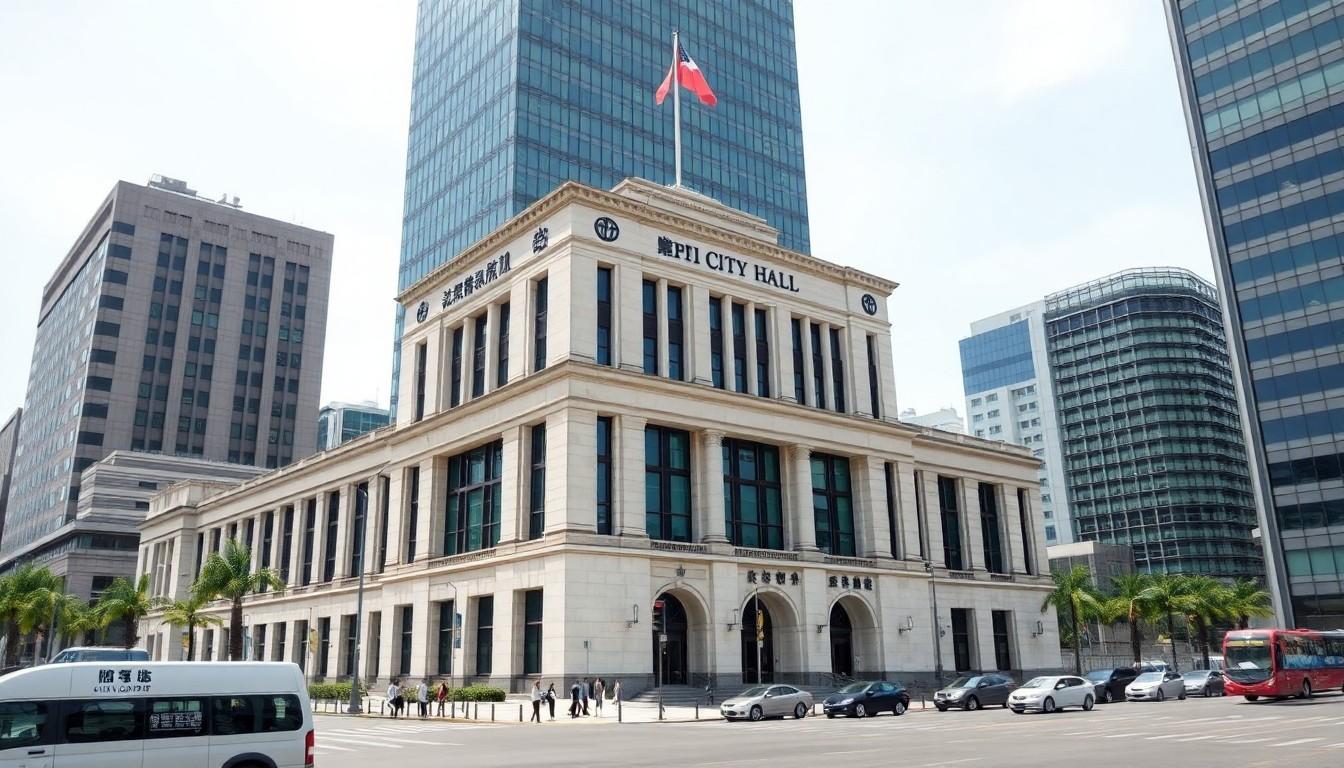
Taipei Pride organisers have welcomed LGBT-friendly politicians to the 31 October march, but warned that attendance isn't a political clean-up exercise. The statement follows a controversial police search of a gay bar in Taipei, raising fresh questions about discrimination, harm reduction and how public officials show support.
Essential Takeaways
- Pride date: Taiwan's annual LGBT+ march is scheduled for 31 October.
- Political warning: Organisers say supportive politicians may attend, but mustn't campaign during the event.
- Police controversy: A search at a Wanhua gay bar prompted allegations of excessive enforcement and insulting behaviour.
- Public health concern: Organisers fear the incident could discourage people who use drugs from seeking help.
- Accountability demand: The city government has been asked to launch an independent investigation and publish its findings.
Taipei Pride is about more than a photo opportunity
Taipei Pride has grown into one of Taiwan's biggest public demonstrations, regularly drawing crowds of more than 100,000 people. This year's march, however, arrives with a sharper political edge after a police operation at a gay bar in the Wanhua district.
The Taiwan Rainbow Civil Action Association, which organises the event, says politicians who genuinely support LGBT+ rights are welcome. But it has drawn a firm line between solidarity and publicity, arguing that simply appearing at the march shouldn't allow officials to sidestep responsibility for controversial government action.
That message is particularly pointed because Taipei Mayor Chiang Wan-an has said he'll attend. The organisers' position is clear: Pride shouldn't become a convenient backdrop for political branding.
Why the Wanhua raid caused outrage
Police searched the venue earlier this month, saying they suspected illegal drug use. Reports said officers ordered people not to use their phones, handcuffed some individuals and made remarks described as insulting, including comments directed at a disabled person.
The Wanhua precinct later apologised, while officers involved received disciplinary reprimands. According to the report, people at the scene who underwent urine tests all received negative results, adding to criticism of the operation and the assumptions behind it.
For many LGBT+ advocates, the issue isn't only what happened inside one bar. It's whether queer venues and their customers were treated as inherently suspicious. That distinction matters, because a heavy-handed response can quickly turn a public-health issue into a message of exclusion.
Harm reduction has become part of the argument
The association has also criticised the mayor's public comments about the case, saying they appeared to blur the difference between harm-reduction facilities and drug abuse. Harm reduction is designed to reduce health risks and encourage people to seek support, rather than pushing them away through fear or stigma.
That concern extends beyond nightlife. If people believe asking for help could expose them to punishment or humiliation, they're less likely to use health and support services. As a result, an incident framed as an anti-drug action can have consequences for the wider safety net.
The organisers argue that drug policy, LGBT+ rights and policing shouldn't be turned into election ammunition. It's a familiar tension in public life: leaders may want to look tough on crime while also presenting themselves as socially progressive, but communities notice when those positions collide.
Organisers demand an independent investigation
The association has called on the Taipei city government to take responsibility for the police conduct rather than relying on a Pride appearance to ease the controversy. It wants an investigation with external oversight, a transparent process and a full public report.
The requested review would examine whether officers broke the law or exceeded the principle of proportionality. It would also look at deeper institutional questions, including how future searches can be monitored and how similar conduct can be prevented.
Organisers have asked the city government to respond publicly by 19 October. That deadline puts pressure on officials to offer more than an apology, especially if the city wants its claims of LGBT+ friendliness to be taken seriously.
No campaign flags, numbers or election giveaways
The association has also set rules for political participation at the march. Politicians, parties and campaign teams may attend, but they mustn't campaign, distribute election merchandise or display candidate numbers.
That means no numbered flags, numbered waistcoats or promotional giveaways. It may sound like a small detail, but it protects the event's focus and prevents a community march from becoming a moving campaign rally.
For visitors, the message is simple. Pride is open to allies, but support is measured by conduct as much as presence. Turning up is easy; answering difficult questions about policing, public health and equality is the part that counts.
Taipei Pride now faces a test of whether political support can be separated from political theatre.
It's a small distinction on paper, but a significant one for trust.
Source Reference Map
Story idea inspired by: [1]
Sources by paragraph: