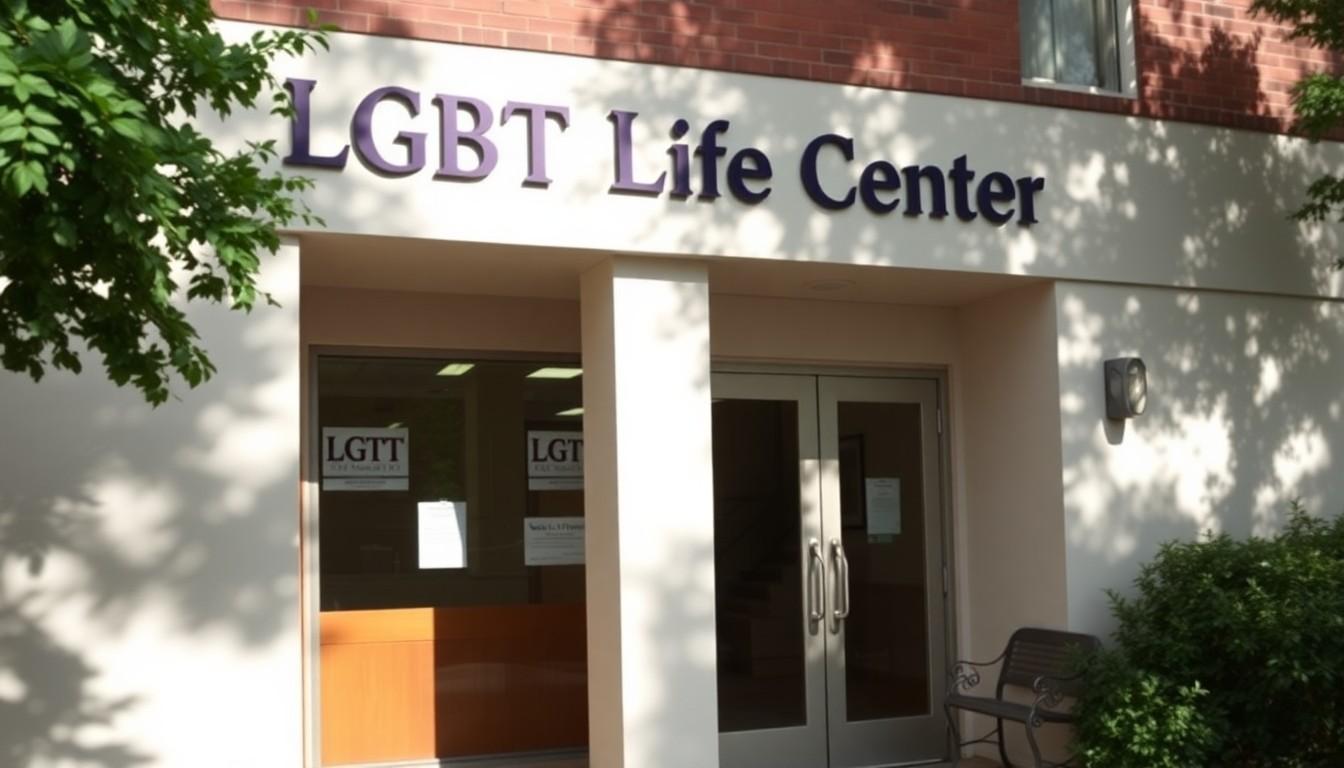
Visitors to LGBT Life Center are finding a familiar face in Jasmine “Jazz” Johnson, who has returned as a Community Health Navigator. Her focus is practical and personal: helping people access STI and HIV prevention information, healthcare and support without feeling judged or rushed.
Essential Takeaways
- A familiar return: Johnson previously spent more than six years with LGBT Life Center before coming back in a new capacity.
- Care without barriers: Her role centres on connecting clients with health education, prevention services and wider support.
- A good listener: Johnson says listening is one of her strongest qualities, which matters when health questions feel sensitive.
- A welcoming approach: She wants clients to feel informed, comfortable and confident when making decisions about their wellbeing.
- A little local flavour: Away from work, she enjoys shopping, trying new restaurants and listening to the Pointer Sisters.
A familiar face is back where people need her
There’s something reassuring about being greeted by someone who already understands the atmosphere of a community organisation. For clients visiting LGBT Life Center, Jasmine “Jazz” Johnson brings precisely that sense of familiarity, alongside a calm listening ear and a clear commitment to practical support. According to LGBT Life Center, she previously worked with the organisation from February 2018 until April 2024 before returning as a Community Health Navigator. [2]
Johnson’s reason for coming back is refreshingly straightforward. She says her compassion for helping people drew her back, a motivation that fits naturally with a role built around trust, questions and conversations that may not always be easy to start. [4]
What does a Community Health Navigator do?
Johnson helps create a supportive route into care, education and resources. That includes answering questions about STI and HIV prevention, raising awareness of available services and helping clients navigate the obstacles that can make healthcare feel confusing or out of reach. [5]
The job isn’t simply about handing someone a leaflet and pointing towards a door. It’s about making information usable, personal and less intimidating. LGBT Life Center describes its wider work as supporting LGBTQ+ people and communities through services, advocacy and connection, so the navigator role sits at an important meeting point between information and real life. [3]
Why listening matters in sexual health conversations
Health information can feel overwhelming when it’s delivered too quickly or without room for follow-up questions. Johnson says she’s a great listener and someone people can talk to, qualities that may be every bit as valuable as knowing where to find the right service. [2]
That human element matters particularly in conversations about HIV and STI prevention, where embarrassment, uncertainty or previous negative experiences can stop people seeking help. A welcoming first conversation can make the next step feel manageable, whether that means arranging testing, understanding prevention choices or finding further support. [7]
Making prevention advice easier to act on
Johnson’s work is also about reducing practical barriers. Clients may need help understanding what services are available, how the centre’s testing process works or which questions to ask when they arrive. LGBT Life Center’s clinic information highlights the importance of accessible, straightforward care, while its help resources direct visitors towards support tailored to their needs. [6]
For anyone considering a visit, a useful starting point is to write down questions beforehand, even if they seem basic. Ask what testing involves, how results are handled and what follow-up support is available. There’s no prize for pretending to know everything, and a good navigator should make the process feel clearer, not more complicated. [7]
The person behind the role
Away from prevention and healthcare conversations, Johnson is a dog-loving Chihuahua owner with a taste for lavender, the Pointer Sisters and new restaurants across the seven cities. She also enjoys shopping and lists Love Thy Neighbor and Norbit among her favourite screen picks. [2]
Those details add a welcome sense of personality to a role that can sound formal on paper. A familiar song, a favourite restaurant or a quick chat about a pet won’t replace good healthcare, of course, but small points of connection can help people feel more at ease. And that appears to be exactly what Johnson hopes to offer: useful guidance, delivered with warmth.
Her return suggests that community care works best when expertise and empathy travel together. For people looking for STI or HIV prevention information, the first step may simply be finding a place where they feel comfortable asking the question. [5]
A friendly conversation can be the beginning of better, more confident care.
Source Reference Map
Story idea inspired by: [1]
Sources by paragraph: