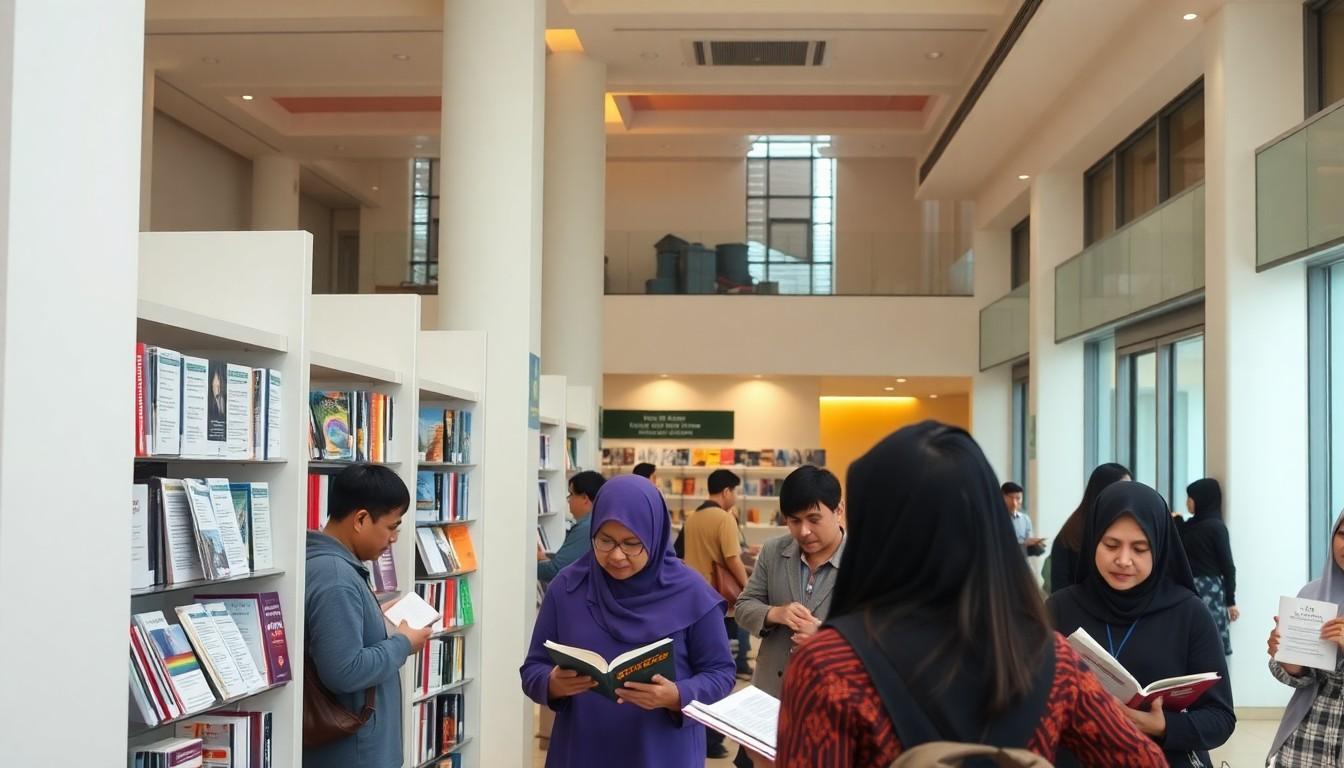
A new book is urging Indonesian readers to approach LGBT issues with medical evidence, religious awareness and social understanding, as debate grows around Perpres No 111 of 2025 and the protection of cultural values.
Essential Takeaways
- A broader conversation: The book examines sexual orientation and gender identity through medicine, psychology, faith and society.
- Policy needs care: Coverage of Perpres No 111 of 2025 has focused on the inclusion of LGBTQ culture as a non-military threat.
- Crime is not identity: The discussion distinguishes sexual orientation from offences such as abuse, exploitation and harassment.
- Conversion therapy lacks support: Major health classifications no longer treat homosexuality as a mental disorder, while evidence for changing orientation remains unconvincing.
- Human dignity matters: The central message is that disagreement shouldn't become an excuse for stigma, violence or persecution.
Why this debate needs more than slogans
Public discussion about LGBT issues in Indonesia is becoming harder to ignore, but it's also becoming easier to oversimplify. A new book by doctor and biomedical researcher Gregory Budiman aims to slow the conversation down, replacing quick judgements with context from medicine, psychology, religion and everyday social life.
That approach matters because the subject sits at the intersection of deeply held beliefs and public policy. Reporting by Hukumonline, Suara.com and other Indonesian outlets has highlighted the political attention surrounding Perpres No 111 of 2025, particularly its reference to the spread of LGBTQ culture as a non-military threat.
For readers, the phrase can sound alarming on its own. The more useful question is what the policy is intended to address, how it should be applied and whether safeguards exist for citizens who may fear being singled out.
What Perpres No 111 of 2025 actually raises
The regulation has prompted support from some lawmakers and public debate over the place of cultural and social values in national defence. Reports from Hukumonline and RCTI+ describe the LGBTQ reference as part of a wider framework for mapping non-military threats, rather than a simple criminal provision aimed at individuals.
That distinction is important, although it doesn't make the social consequences irrelevant. Sulawesi Pos reported that the Defence Ministry described the provision as part of threat mapping, while other coverage examined how the wording could be interpreted in public life.
Policy language has a habit of travelling far beyond the document itself. Once a group is associated with the word "threat", people may worry about stigma, workplace treatment, education or access to services. Clear explanations and proportionate implementation are therefore essential if national values are to be protected without making some citizens feel unsafe.
Medicine offers a more complicated picture
Gregory's book presents sexual orientation as something shaped by complex biological and developmental factors, rather than a simple decision made at will. That doesn't settle every moral or social question, but it does challenge the idea that pressure or commands can straightforwardly change someone.
The modern medical record is also relevant. Homosexuality was removed from the American Psychiatric Association's classification of mental disorders in 1973, and the World Health Organization followed in 1990. WHO's current classifications don't define transgender identity itself as a mental disorder, either.
These are not obscure technical details. They help parents, teachers and policymakers separate personal belief from established health knowledge. As the wider debate continues, evidence should be treated as a starting point, not an inconvenience.
Why conversion therapy remains a concern
The book also questions conversion therapy, which claims to alter a person's sexual orientation. There is no persuasive scientific evidence that such practices safely achieve that aim, and the promise of a quick fix can expose vulnerable people to shame, distress or coercion.
That risk becomes sharper when families or institutions treat orientation as misconduct in need of correction. A quiet, supportive conversation may be difficult enough; a forced intervention can leave deeper emotional scars.
For anyone seeking help, a qualified mental-health professional should be able to offer confidential, evidence-based support without promising to change orientation. That's a practical test worth remembering when glossy claims or frightening language enter the discussion.
Education can make room for evidence and values
Gregory argues that education about LGBT issues should consider scientific knowledge, religious values, social norms and the developmental needs of students. In practice, that calls for age-appropriate teaching that explains respect, boundaries, consent, bullying and personal safety without turning the classroom into a battleground.
The same principle applies to law. The book distinguishes a person's orientation from conduct that may genuinely harm others, including sexual violence, exploitation and harassment. Those offences should be addressed firmly, while consensual private relationships between adults raise separate questions about privacy, rights and the limits of state power.
This distinction won't satisfy every ideological camp, but it is far more useful than treating identity and criminal behaviour as interchangeable. Good policy should be precise enough to protect people from harm without creating a licence for discrimination.
A more respectful public conversation
The strongest idea running through the book is also the simplest: people can hold religious or moral convictions without humiliating those who live differently. That may sound modest, but in a heated debate, basic civility is often the first thing to disappear.
The reports surrounding Perpres No 111 of 2025 show how quickly a policy reference can become a national culture-war flashpoint. A better response would combine careful legal reading, credible health information and room for principled disagreement.
Indonesia's debate isn't likely to end with one publication. But a conversation that leaves space for evidence, faith and human dignity has a better chance of being constructive - and a much smaller chance of causing needless harm.
It's a small but vital distinction: debate beliefs and policies, without denying anyone's humanity.
Source Reference Map
Story idea inspired by: [1]
Sources by paragraph:
- Paragraph 1: [2], [4]
- Paragraph 2: [3], [6]
- Paragraph 3: [5], [7]
- Paragraph 4: [2], [3]
- Paragraph 5: [4], [5]
- Paragraph 6: [6], [7]
- Paragraph 7: [2], [4]
- Paragraph 8: [3], [5]
- Paragraph 9: [6], [7]
- Paragraph 10: [2], [3]
- Paragraph 11: [4], [5]
- Paragraph 12: [6], [7]
- Paragraph 13: [2], [4]
- Paragraph 14: [3], [5]
- Paragraph 15: [6], [7]