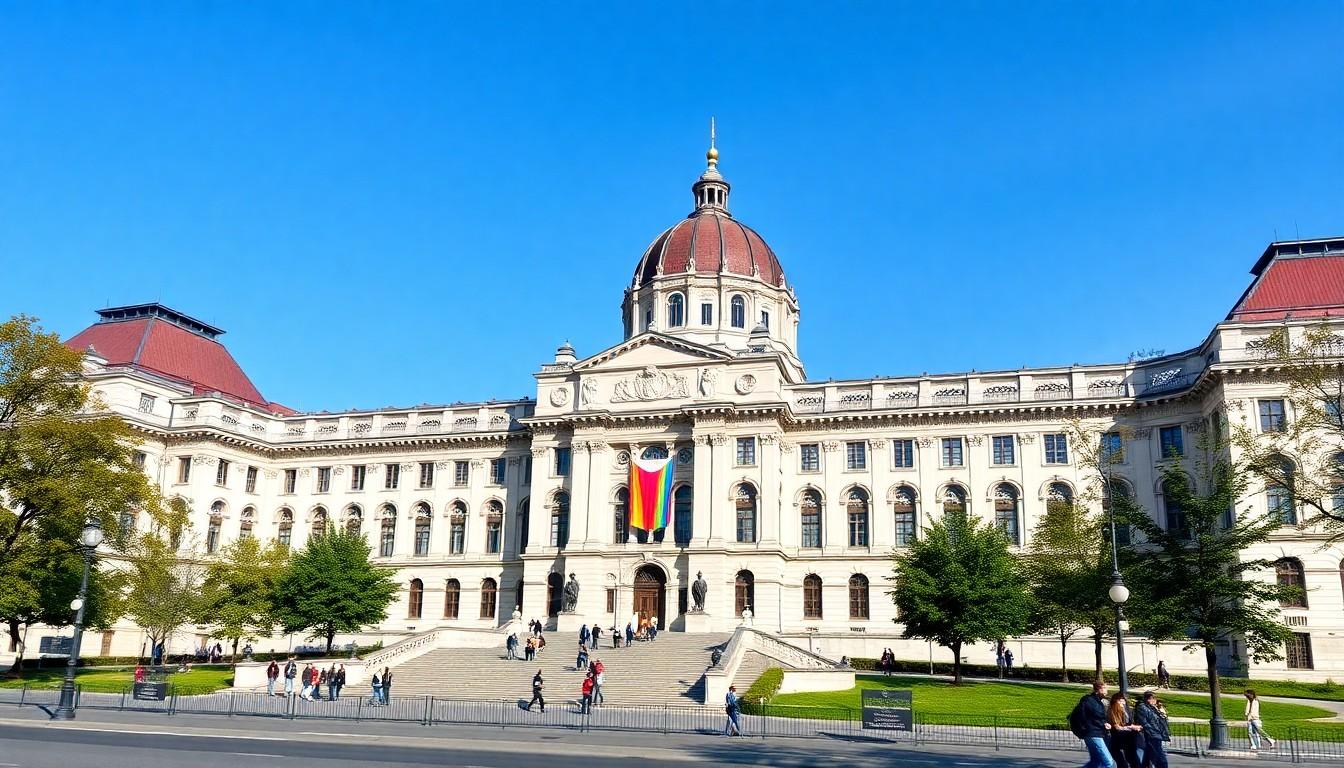
Hungarian lawmakers have backed changes that remove several anti-LGBTQ+ provisions from Viktor Orbán-era legislation, marking a significant shift for representation and public debate. The vote offers hope to LGBTQ+ people and families, but campaigners warn that discrimination remains embedded in other laws, including rules affecting Pride, adoption and legal gender recognition.
Essential takeaways
- Parliamentary shift: Lawmakers approved the amendments by 139 votes to 51, according to international reporting.
- Content rules eased: Restrictions on showing or promoting sexual and gender diversity to under-18s are being removed from the amended laws.
- Discrimination remains: Campaigners say constitutional language, assembly rules and family-related restrictions still need reform.
- A symbolic change: LGBTQ+ families and young people may find more space to see ordinary lives reflected in public culture.
- The wider test: The reforms will matter most in how schools, media, publishers and public authorities apply them.
A major crack in Hungary's anti-LGBTQ+ framework
Hungary's parliament has voted to remove several anti-LGBTQ+ provisions from laws introduced during Viktor Orbán's time in power. The result, reported by Euronews and other outlets, was 139 votes in favour and 51 against.
The change is especially striking because the earlier rules were presented as child protection while treating LGBTQ+ representation as something potentially harmful. In practice, that created a cold and confusing message: that a picture book with two mothers, a television character coming out or a teenager asking questions about gender might be dangerous.
Under the revised approach, the focus is intended to return to genuinely harmful material rather than the mere presence of sexual and gender diversity. That distinction may sound obvious, but for LGBTQ+ Hungarians it carries real emotional weight.
What the legal changes actually do
The amendments remove restrictions on portraying or promoting sexual and gender diversity in content available to under-18s. Legal analysis from CMS describes the changes as part of Hungary's response to the Court of Justice of the European Union's wider rule-of-law and values judgment.
That doesn't mean every barrier has vanished overnight. The new wording changes an important part of the legal framework, but it isn't the same as repealing every measure that has made LGBTQ+ life more difficult.
For parents, teachers and publishers, the practical question will be how authorities interpret the revised rules. A clearer legal emphasis on child welfare should make room for age-appropriate stories and education, rather than forcing adults to treat LGBTQ+ identity itself as a risk.
Progress, but not a clean break
The vote has been welcomed as an important step, although reports from ANSA and civil-rights observers underline the limits of the reform. Remaining concerns include discriminatory constitutional language, restrictions affecting public assemblies and continuing obstacles for Pride events.
There are also unresolved issues around legal gender recognition and adoption by same-sex couples. Those questions reach beyond media representation and into the everyday paperwork of family life, healthcare and personal identity.
So headlines suggesting Hungary has simply scrapped its anti-LGBTQ+ laws need a little caution. The vote rolls back part of the system, but the wider structure is still being contested.
Why representation matters beyond the courtroom
Representation can sound like a cultural side issue until you remember what it feels like never to see a future that looks remotely like your own. For a child or teenager, a same-sex family in a story or a queer character on screen can offer reassurance without making a grand speech.
That is why the law's original approach was so damaging. It didn't merely restrict particular content; it helped frame ordinary LGBTQ+ lives as suspect. Removing that presumption gives families and young people more breathing room.
Campaign groups, including Háttér Society, have continued supporting LGBTQI people in Hungary while pressing for broader equality. Their work also shows why a parliamentary vote is a milestone, not an ending.
The next test will be implementation
The amendments will be judged by what people can actually read, watch, teach and discuss without fear of fines or official intervention. A legal change that sits quietly on paper won't be enough if schools, libraries or broadcasters remain cautious because the old rules still cast a shadow.
The wider European context matters, too. The reforms follow sustained legal and political pressure over Hungary's treatment of LGBTQ+ people, as CMS and European reporting have noted. That pressure is unlikely to disappear while restrictions on family life, public assembly and recognition remain.
For many Hungarians, progress will feel real when it reaches a document, a classroom or a Pride march. Until then, this is a welcome opening, but not the final chapter.
It's a meaningful step towards letting LGBTQ+ lives be seen as ordinary, not dangerous.
Source Reference Map
Story idea inspired by: [1]
Sources by paragraph: