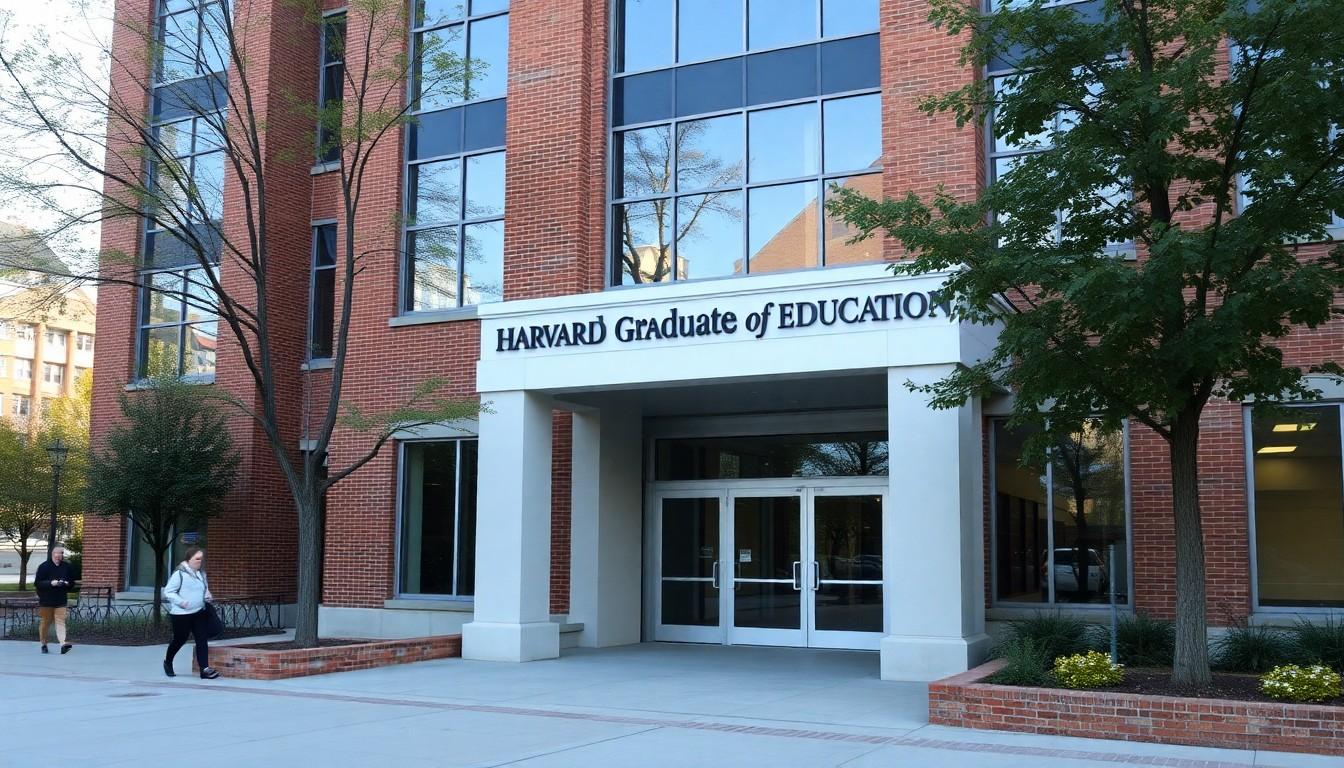
A Harvard Kennedy School conversation brings actors and activists together to examine how LGBTQI+ representation, popular culture and creative work can challenge prejudice and support human rights worldwide.
Essential Takeaways
- Representation matters: Familiar, nuanced LGBTQI+ characters can make experiences more visible and relatable.
- Platforms carry responsibility: Actors, writers and creators can use public attention to support wider social change.
- Storytelling reaches emotions: Entertainment may open conversations that statistics and policy debates often can't.
- Global perspectives are vital: Activism looks different across communities, countries and cultural settings.
- Purpose sits at the centre: The discussion asks whether advocacy should be an intentional part of creative work.
Why LGBTQI+ stories can change the conversation
A well-told story can do something quietly powerful: invite audiences into a life they may never have encountered themselves. That emotional connection is central to the Harvard Kennedy School event, which examines how art and entertainment can challenge prejudice and advance LGBTQI+ human rights.
The conversation brings together performers and campaigners, including Emmy Award-winning actor Uzo Aduba and Joe Locke, known for playing Charlie Spring in Netflix's Heartstopper. Their work reaches large audiences, but the wider question is more interesting than celebrity alone: what happens when visibility becomes a deliberate form of advocacy?
From screen representation to real-world empathy
Representation isn't simply about placing an LGBTQI+ character in the background. It can mean showing ordinary tenderness, family tension, humour, ambition and uncertainty, allowing audiences to see a complete person rather than a stereotype.
That matters because popular culture often travels further than formal campaigns. A television series can arrive in homes where conversations about sexuality or gender identity may otherwise feel difficult, offering a softer first step towards understanding. According to Harvard Kennedy School, the event explores how storytelling can change hearts and minds as well as challenge discriminatory attitudes.
Can performers become activists by design?
Many artists have historically supported social causes, but this discussion pushes the idea further. It asks whether activism should be treated as an accidental benefit of inclusive work, or as part of the work's purpose from the outset.
That distinction brings practical questions. How should public figures respond when audiences are hostile? Where does personal expression end and public responsibility begin? And how can creators avoid speaking over the communities they hope to support? These aren't tidy questions, but they make the conversation feel grounded rather than merely celebratory.
Why global voices make the debate stronger
The panel extends beyond the entertainment industry. Luis Adrián Ruiz Duarte joins as an LGBTQI+ activist, author, educator and digital content creator, while María José Cumplido represents Fundación Iguales, a leading LGBTQI+ rights organisation in Chile.
Their inclusion matters because LGBTQI+ rights aren't experienced in one universal way. Legal protections, family expectations, media access and public safety can vary sharply between countries. A story that feels liberating in one setting may be controversial or inaccessible in another, so effective activism needs local knowledge as well as a broad audience.
The practical power of creative platforms
For artists and creators, advocacy doesn't always require a grand speech. It can appear in casting choices, storylines, interviews, fundraising, public education or the decision to make marginalised lives visible without turning them into tragedy.
Audiences also have influence. Watching thoughtfully made work, supporting LGBTQI+ creators and challenging lazy stereotypes in everyday conversation can help sustain the cultural shift that entertainment begins. As the Harvard discussion suggests, change often starts with attention, but it only lasts when that attention leads somewhere.
What comes next for LGBTQI+ representation?
The next stage may involve moving beyond the question of whether LGBTQI+ people are visible and asking who controls the story, who benefits from it and what responsibility follows. That means more creators behind the camera, stronger links between cultural work and rights organisations, and less reliance on a single kind of LGBTQI+ experience.
Entertainment can't replace law, education or organised activism. But it can make those struggles legible, personal and emotionally immediate. Sometimes, a quiet scene or familiar face is enough to make a distant human-rights issue feel close to home.
It's a reminder that culture doesn't just reflect society; it can help reshape it.
Source Reference Map
Story idea inspired by: [1]
Sources by paragraph: