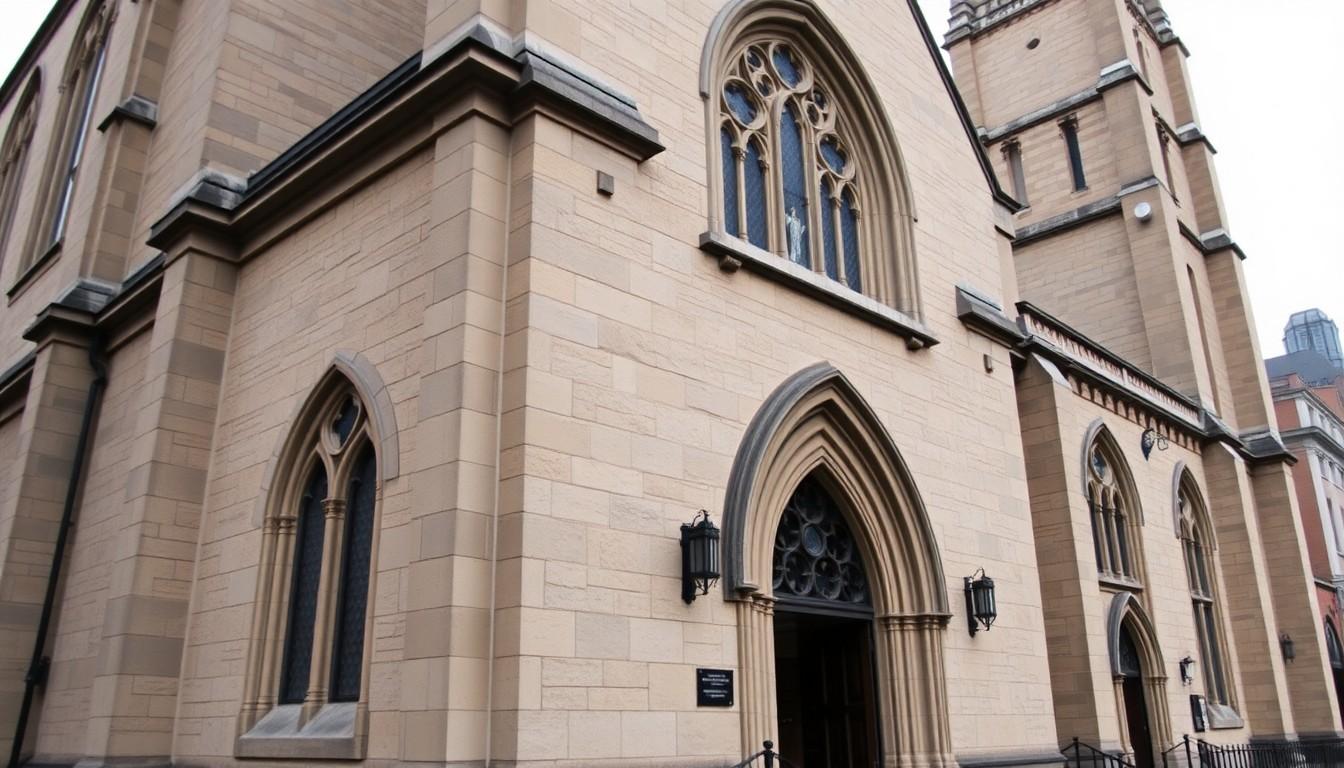
LGBTQ+ Catholics and their allies are marking 40 years since the Vatican's 1986 letter on pastoral care for homosexual persons reshaped church life. The document, often called the Halloween Letter, arrived during the AIDS crisis and intensified conflict over dignity, ministry and belonging, while also prompting determined communities to organise, care for one another and push for change.
Essential Takeaways
- A landmark document: Issued by the Vatican's Congregation for the Doctrine of the Faith in 1986, the letter remains a reference point in debates over LGBTQ+ Catholics.
- A painful moment: Its publication coincided with widespread fear, grief and discrimination during the AIDS crisis.
- Ministry changed: Catholic LGBTQ+ groups faced expulsions from parish spaces and tighter restrictions in the years that followed.
- Communities adapted: Many moved into independent or welcoming venues, continuing worship, pastoral care and advocacy.
- The argument continues: Supporters of reform say full equality requires changes to church teaching and practice.
Why the 1986 letter still matters
Some church documents fade into the background. This one didn't. Issued on 1 October 1986 and publicised widely weeks later, the Vatican's Letter to the Bishops on the Pastoral Care of Homosexual Persons became a defining text in the modern history of LGBTQ+ Catholics.
Its formal language was theological and pastoral, but its practical effect was felt in parish halls, diocesan offices and family homes. The Vatican document warned against what it described as the promotion of homosexuality, while also calling for respect and care for people experiencing same-sex attraction. That uneasy combination has continued to shape arguments about whether its language offers protection or reinforces stigma. (Sources: Vatican, Catholic Culture)
The anniversary has therefore become more than a date on the church calendar. For many people, it's a chance to ask what changed, who was pushed out and how communities survived when institutional welcome narrowed. (Sources: New Ways Ministry, Encyclopedia.com)
The document arrived during the AIDS crisis
Timing mattered. In the United States, the letter appeared as the AIDS epidemic was bringing illness, bereavement and public panic into LGBTQ+ communities. Effective treatment was not yet available, and many patients encountered fear or poor care in hospitals, care homes and funeral settings.
Against that backdrop, the document's discussion of health risks struck critics as especially harsh. The text argued that advocates of homosexuality remained undeterred despite dangers to public health, a passage that opponents regarded as a deeply insensitive response to communities already carrying extraordinary grief. (Sources: Vatican, New Advent)
Much of the practical support came from LGBTQ+ people themselves. Friends and partners organised home care, accompanied patients, supported families and created dignified funerals when established institutions refused or mishandled them. That history matters because it shows the difference between abstract pastoral language and the quiet, exhausting work of looking after a neighbour. (Sources: New Ways Ministry, Encyclopedia.com)
Catholic LGBTQ+ ministry faced a sharp turn
Before the letter, Catholic approaches to lesbian and gay people varied widely. Some dioceses had dedicated ministries, and several parishes worked alongside groups such as DignityUSA. Not every programme took the same view of relationships, but many focused on conscience, pastoral care and the belief that LGBTQ+ people belonged in the life of the church.
Afterwards, that patchwork became harder to sustain. Dignity chapters were removed from Catholic premises, asked to accept conditions they could not endorse or forced to find new homes. The first reported expulsion, involving Dignity Buffalo, came within months of the document's release, turning a theological dispute into an immediate loss of meeting space and community security. (Sources: New Ways Ministry, Wikipedia)
For members, the practical consequences could be stark. Christmas liturgies, support meetings and pastoral relationships were suddenly vulnerable, particularly for people already estranged from relatives or relying on church communities for companionship. The loss wasn't just a room with chairs; it was a familiar place where people could be honest.
Advocacy grew outside the church's buildings
The restrictions also strengthened the resolve of reform groups. At a 1987 national convention, Dignity members voted to affirm that same-sex intimacy could be loving, life-giving and life-affirming, directly challenging the position set out in the Vatican letter.
As chapters moved into independent venues or received hospitality from other denominations, their work broadened. They continued offering worship and fellowship, while also documenting discrimination and pressing for changes in Catholic teaching. The experience helped reinforce a powerful idea: a faith community isn't defined only by its property, hierarchy or official permissions. (Sources: New Ways Ministry, Wikipedia)
That shift came at a cost. Membership fell substantially in the late 1980s, with institutional conflict, relocation and the AIDS crisis all taking their toll. Still, the groups that remained created networks of care that outlasted the original dispute. (Sources: New Ways Ministry, Encyclopedia.com)
What the anniversary asks of today's church
The 1986 letter remains part of the Vatican's documentary record, and its language continues to influence Catholic discussions about sexuality, pastoral practice and LGBTQ+ inclusion. For supporters of the document, it represents an attempt to preserve traditional teaching while opposing mistreatment. For critics, its warnings helped legitimise exclusion and gave local authorities a basis for withdrawing welcome.
That divide explains why the anniversary feels so immediate. Forty years on, Catholics are still negotiating the gap between official teaching and the lived reality of LGBTQ+ people, their families and the ministers who support them. The question isn't simply whether a parish says everyone is welcome, but what that welcome permits people to do, celebrate and build together. (Sources: Vatican, Catholic Culture)
There is also a generational lesson here. Younger Catholics may encounter more open conversations about sexuality and identity, yet the older scars haven't vanished. For people who lived through the 1980s, words about dignity can bring back crowded hospital rooms, tense parish meetings and the relief of finding a community that stayed. (Sources: New Ways Ministry, Encyclopedia.com)
The debate over the Halloween Letter is unfinished, but so is the work of building communities where care isn't conditional.
Explore the history with empathy, and listen to the people who lived it.
Source Reference Map
Story idea inspired by: [1]
Sources by paragraph:
- Paragraph 1: [2], [4]
- Paragraph 2: [1], [6]
- Paragraph 3: [2], [5]
- Paragraph 4: [1], [7]
- Paragraph 5: [1], [6]
- Paragraph 6: [2], [5]
- Paragraph 7: [1], [4]
- Paragraph 8: [1], [6]
- Paragraph 9: [1], [4]
- Paragraph 10: [1], [2]
- Paragraph 11: [1], [6]
- Paragraph 12: [1], [4]
- Paragraph 13: [2], [5]
- Paragraph 14: [1], [6]
- Paragraph 15: [1], [2]