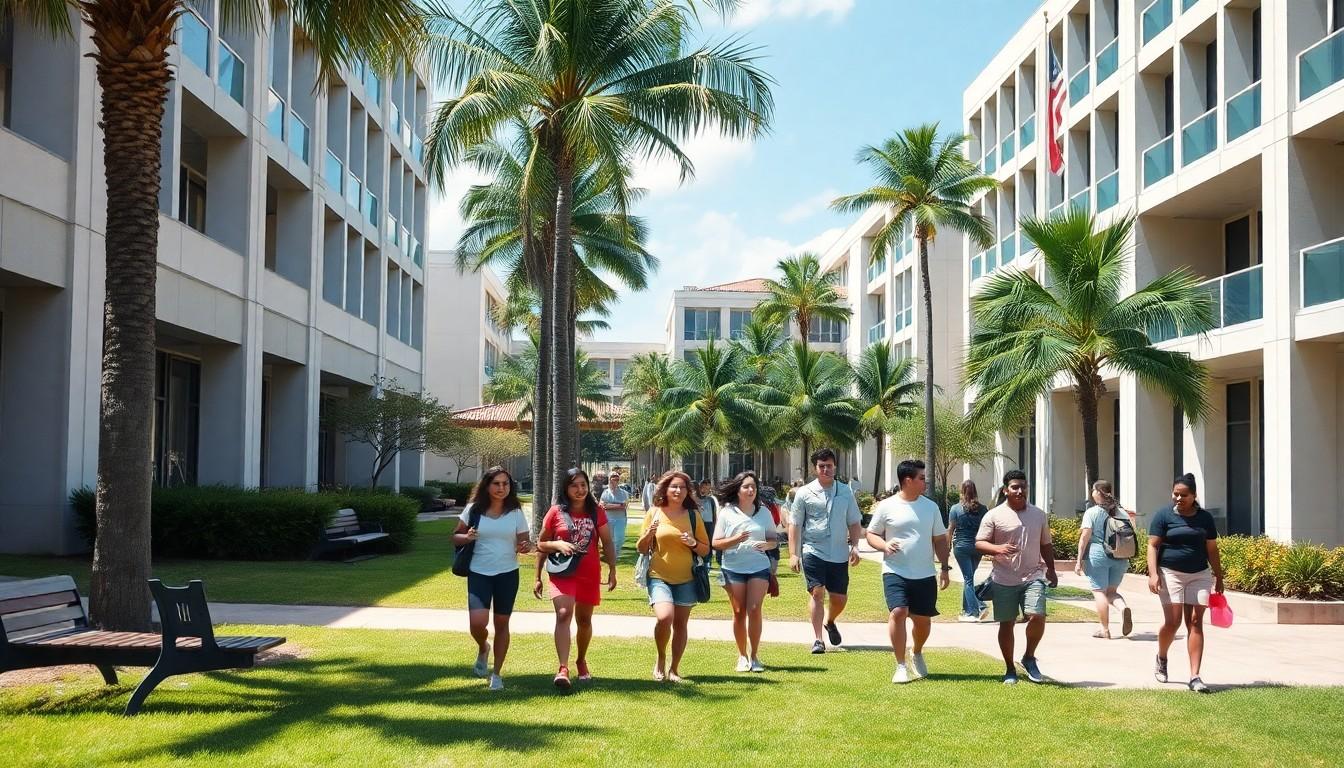
Students and young adults across Florida are looking for more than Pride events: they want places where identity feels ordinary, safe and understood. From campus networks to counselling directories and community centres, these resources can help queer people find connection in a state where visibility and belonging don't always come easily.
Essential Takeaways
- Belonging matters: Queer students may need dedicated spaces where they can meet people with shared experiences.
- Support varies locally: Florida's LGBTQ+ services range from health providers and counselling to community hubs.
- Campus life can feel isolating: Even in welcoming cities, finding other queer women or LGBTQ+ peers isn't always straightforward.
- Practical help exists: Resource directories can point people towards affirming healthcare, therapy and peer support.
- Small networks still count: One trusted friend, group or adviser can make a college experience feel less lonely.
Why “everyone is a little gay” can miss the point
The phrase is often intended as a joke, but it can flatten the very real differences between curiosity, attraction, identity and lived experience. For someone who has spent years working out where they fit, being told that everybody shares the same experience can feel less like solidarity and more like erasure.
That tension is especially sharp for queer women. Attraction isn't always tidy, and liking people of more than one gender doesn't invalidate a lesbian, bisexual, queer or questioning identity. As resources from Minds in Motion Counselling make clear, LGBTQ+ experiences are varied, and supportive conversations should leave room for that complexity rather than forcing a quick label.
Coming out can also carry a quiet emotional weight, even when family and friends are likely to be supportive. The question isn't simply whether someone can say the words aloud. It's whether they feel safe enough to be seen afterwards.
Florida has Pride, but visibility isn't the whole story
Florida contains lively LGBTQ+ communities, yet a large Pride event doesn't automatically mean every student feels represented. A person can live near a colourful parade route and still struggle to find other queer women, a welcoming campus group or a therapist who understands their concerns.
Equality Florida's student experiences work highlights the importance of inclusion in educational settings, where policies, peer culture and access to support can shape daily life. The atmosphere may be friendly in one building and awkward in another, which is why informal networks often become just as important as official services.
For students at large universities, the search can feel oddly personal. They may not want to make a grand announcement; they might simply want someone to sit with after class who understands why a casual comment suddenly felt loaded.
Where queer Floridians can look for support
The good news is that support doesn't have to begin with a dramatic leap into a new social circle. FOLX Health's Florida service information can help people explore LGBTQ+-affirming healthcare options, while Pride Corner offers a wider gateway to queer-focused information and community resources.
Local organisations can be even more useful when someone wants a human point of contact. SunServe provides LGBTQ+ services in South Florida, and Compass Community Center is another established source of community support, education and connection. Availability differs by location, so it's worth checking current programmes, eligibility and opening hours before travelling.
A directory won't replace friendship, of course, but it can make the first step less intimidating. Sometimes knowing where to ask is half the battle.
How students can find their people without forcing it
Start small. Look for LGBTQ+ student organisations, equality groups, peer mentoring, residence-hall communities and campus wellbeing teams. If a group feels too broad, ask whether it runs smaller meet-ups for women, trans students, bisexual students or questioning people.
Online directories can help you prepare a shortlist before making contact. Compare the type of support offered, whether sessions are free or paid, and whether the organisation serves students specifically. FOLX Health, Pride Corner and Minds in Motion Counselling all offer different kinds of entry points, so the right choice depends on whether you need healthcare, emotional support or community information.
Safety comes first, particularly when meeting people for the first time. Choose a public venue, tell a trusted friend where you're going and give yourself permission to leave if the setting feels wrong. Finding community should feel hopeful, not like an audition.
The next step is making belonging easier to find
For many queer students, the challenge isn't accepting who they are. It's locating the people and places where that identity doesn't need a footnote. Student support programmes, affirming healthcare and local LGBTQ+ organisations can make that search more manageable.
The wider lesson is simple: representation isn't only about being visible. It's also about being recognised accurately, without jokes or assumptions doing the talking. A supportive campus may begin with one group, one adviser or one honest conversation, but those small connections can change the texture of everyday life.
It shouldn't be a treasure hunt to find queer community, but the right resources can make the search far less lonely.
Source Reference Map
Story idea inspired by: [1]
Sources by paragraph:
- Paragraph 1: [2], [4]
- Paragraph 2: [7]
- Paragraph 3: [4], [5]
- Paragraph 4: [3], [6]
- Paragraph 5: [2], [5]
- Paragraph 6: [6], [3]
- Paragraph 7: [4], [7]
- Paragraph 8: [2], [5], [7]
- Paragraph 9: [3], [6]
- Paragraph 10: [2], [4]
- Paragraph 11: [5], [7]
- Paragraph 12: [2], [3]
- Paragraph 13: [4], [6]
- Paragraph 14: [5], [7]