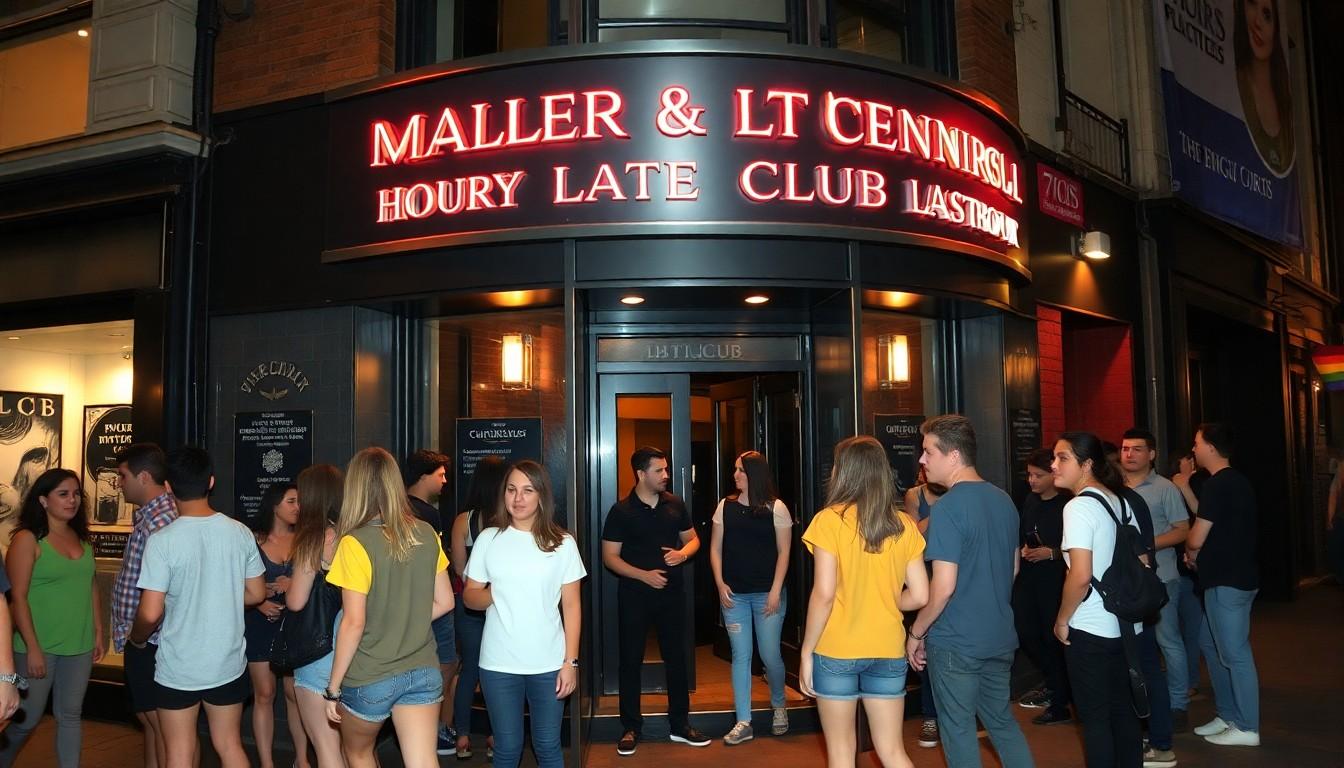
Students and LGBTQ+ partygoers are asking whether Bristol’s queer nightlife still feels genuinely safe and welcoming. As popular venues attract broader crowds, the debate is shifting from who can enter to how clubs can protect queer community, culture and comfort without excluding people unfairly.
The safety question is impossible to ignore
A night out can change in seconds. One moment, the music is loud, the lights are soft and everyone is focused on dancing; the next, an argument or slur can expose how fragile a venue’s promise of safety really is.
That tension sits at the heart of the debate around Bristol queer nightlife. Venues may describe themselves as inclusive, but the label means little if guests feel unsupported when harassment or violence occurs nearby. A club can't control every action outside its doors, yet its staff, door teams and wider culture still shape whether people feel looked after.
Listings for OMG Bristol identify it as a gay nightlife venue, placing it firmly within the city's LGBTQ+ clubbing scene. But a venue's identity is about more than its name, colour scheme or novelty decor. It also comes through in the crowd, the music and the way staff respond when something goes wrong.
When a queer venue becomes a student hotspot
Queer clubs have long attracted straight women who see them as more relaxed or comfortable places to party. That appeal can broaden the audience, but it can also draw in straight men and groups with little connection to the space's original purpose.
The result is a familiar nightlife paradox. Greater popularity can help a venue survive, but an increasingly mainstream crowd may leave queer customers feeling like guests in a room designed for them. According to the available OMG Bristol listing, the venue remains marketed within the gay-club category, although a directory description can't show how inclusive or comfortable a night feels in practice.
That gap between branding and atmosphere matters. A pink interior, playful props and cheeky visual details can signal queer style, but aesthetics aren't the same as community. If the music, booking choices and crowd all feel generic, the venue risks becoming a themed student club rather than a meaningful LGBTQ+ space.
Not every queer night should look the same
Bristol's queer nightlife isn't one single experience. Some events lean into kink, sex positivity or highly specific dress codes, while others are closer to a conventional night out with queer DJs, dancing and conversation.
Those different formats can help organisers create a crowd with shared expectations. They can also create new barriers. A younger LGBTQ+ student, a first-time clubber or someone who simply wants to dance in ordinary clothes may not feel comfortable at an event built around latex, nudity or sexual performance.
That is why variety is so important. A healthy scene needs bold, sex-positive parties, but it also needs low-pressure nights where people can meet friends, hear good music and leave without feeling they had to perform a particular version of queerness. Directory listings can point people towards LGBTQ+ venues, but descriptions alone rarely explain the atmosphere, dress expectations or door policy.
Could stronger door policies help?
A dedicated queer night with a clearer door policy could offer one possible compromise. Rather than trying to make every event serve every audience, a venue could reserve selected nights for a crowd more closely connected to the LGBTQ+ community, with trained staff and transparent expectations.
That approach needs care. Judging people by appearance, gender presentation or group size can easily become discriminatory, and no door policy can reliably determine someone's identity. A better model would focus on behaviour, capacity, respect and the purpose of the event, while making clear that slurs, harassment and intimidation won't be tolerated.
Music could make an equally visible difference. Booking local queer DJs would bring the community into the venue's programming, rather than relying on a broad idea of what gay customers supposedly want to hear. It might also make the night feel less polished from a distance and more alive up close.
A stronger scene needs more signposting
For students new to Bristol, finding the right queer event can be surprisingly difficult. Straight housemates and mainstream club listings may dominate the conversation, while smaller societies, collectives and community nights remain known mainly through word of mouth.
Clearer information would help. Venues and organisers could explain who an event is for, whether it is sexual or non-sexual, what the dress expectations are, how accessibility is handled and what support is available if someone feels unsafe. That kind of detail is far more useful than calling a night simply inclusive.
The outlook isn't hopeless. Bristol already has a range of LGBTQ+ events and spaces, and the debate could encourage venues to listen more closely to the people they claim to serve. After all, a queer club should feel like more than a bright sign above the door. It should feel like somewhere you can breathe, dance and be unremarkable in the best possible way.
The best queer nightlife makes room for difference while protecting the people it was built to support.
Source Reference Map
Story idea inspired by: [1]
Sources by paragraph:
- Paragraph 1: [2], [4]
- Paragraph 2: [3], [5]
- Paragraph 3: [2], [6]
- Paragraph 4: [4], [5]
- Paragraph 5: [2], [3]
- Paragraph 6: [5], [6]
- Paragraph 7: [2], [4]
- Paragraph 8: [3], [6]
- Paragraph 9: [2], [5]
- Paragraph 10: [3], [4]
- Paragraph 11: [2], [6]
- Paragraph 12: [3], [5]
- Paragraph 13: [2], [4]
- Paragraph 14: [3], [6]
- Paragraph 15: [2], [5]
- Paragraph 16: [3], [4]