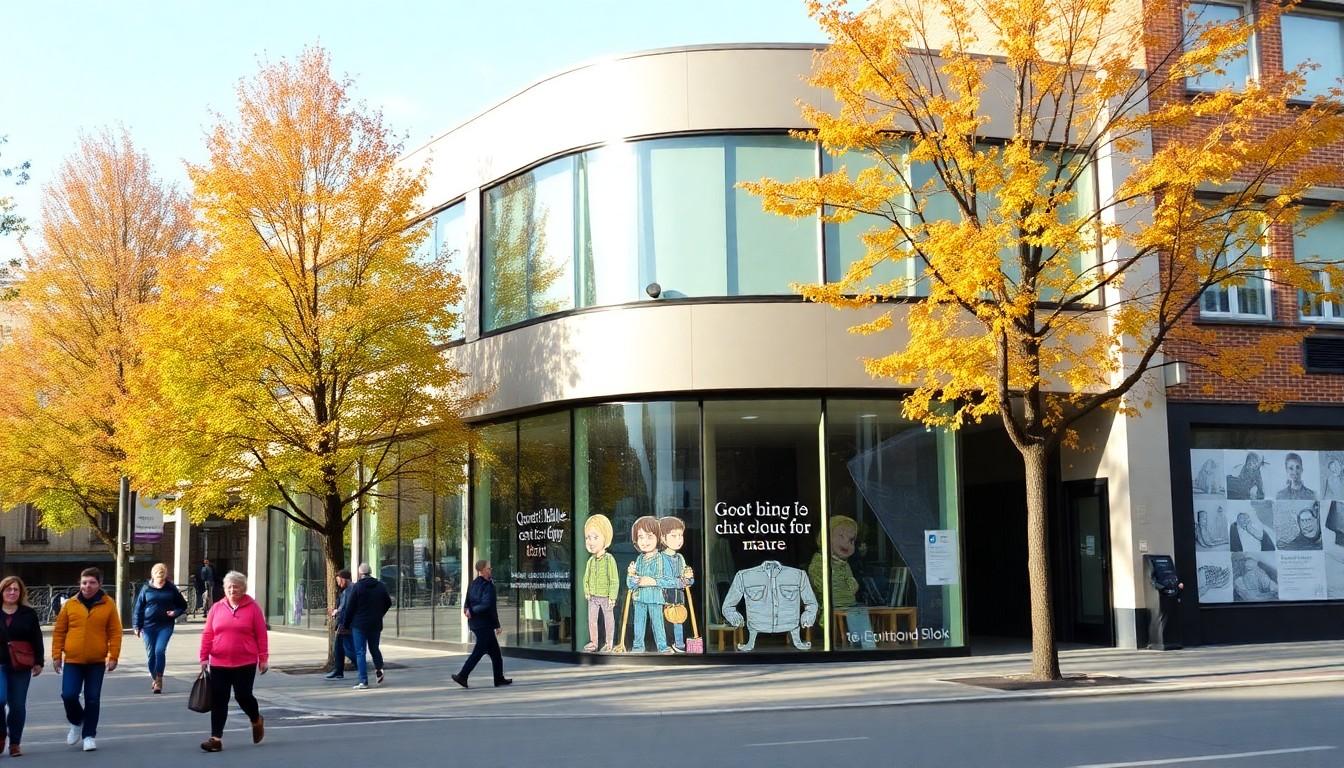
Visitors to the Quentin Blake Centre for Illustration can explore queer comics through talks, a comic fair and a documentary screening in London. The closing-week programme adds lively, creator-led events to the Queer as Comics exhibition, offering readers a chance to discover new voices, meet artists and see how identity shapes sequential storytelling.
Essential Takeaways
- Three closing-week events: The programme includes a panel, a comic fair and a documentary screening with a Q&A.
- A strong creator focus: Dominique Duong joins a discussion, while several artists table at the fair.
- Stories at the intersection: One panel examines Asian diasporic identity and queerness in comics.
- A documentary finale: No Straight Lines explores the history of pioneering LGBTQ cartoonists.
- Free opportunities included: The Halloween comic fair gives visitors a low-pressure way to meet creators and browse work.
Queer comics take centre stage in London
The final week of Queer as Comics promises more than a quiet exhibition visit. Alongside the displays, audiences can hear creators discuss their work, browse independent comics and settle in for a documentary about LGBTQ cartooning history.
It sounds like the sort of programme where a gallery feels less like a hushed white space and more like a welcoming comics shop, with conversations spilling into the corridors. The exhibition, curated by Paul Gravett, provides the setting, while the events bring its themes into direct contact with readers and artists.
A panel explores identity through sequential storytelling
The Intersecting Identities event focuses on how Asian diasporic identity and queerness appear in sequential storytelling. Shazleen Khan, Adeline Kon and Dominique Duong are listed for the panel, creating a conversation that links personal experience with the visual language of comics.
That matters because comics can hold several layers at once. A single page can combine family history, cultural expectation and private self-discovery, often with an immediacy that feels both intimate and quietly powerful. The Quentin Blake Centre's event listing frames the discussion around those overlapping identities. (According to the centre's event information.)
Meet emerging voices at the Halloween comic fair
The Halloween Late comic fair offers a more informal way into the exhibition's themes. Daisy Crouch, Jason Chuang, Ed Firth and Dominique Duong are among the creators expected to table during the event, giving visitors the chance to browse their work and chat directly with artists.
For newcomers, that's a useful format. You don't need a detailed knowledge of independent comics, and there isn't the pressure of a formal lecture. Bring curiosity, allow time to browse and ask creators what they recommend if you're unsure where to start. The event is scheduled for the exhibition's closing weekend, according to the programme announcement.
A documentary brings queer comics history to the screen
The final listed event turns to film with a screening of No Straight Lines: The Rise of Queer Comics. The documentary follows five pioneering LGBTQ cartoonists, then continues with a talk and question-and-answer session featuring producer Justin Hall.
That combination should appeal to both dedicated comics readers and visitors who are approaching the subject for the first time. A film can provide the broad historical sweep, while the discussion afterwards offers room for questions, context and perhaps a few surprises. The screening is part of the closing-day programme at the centre. (The Quentin Blake Centre's event details.)
Why this programme feels especially timely
Queer comics have long been a space for experimentation, community and self-definition, but events like these make that history visible to a wider audience. The programme also shows how varied the form can be, moving from personal testimony and panel discussion to small-press publishing and documentary storytelling.
The practical tip is simple: check booking requirements before travelling, as talks and screenings may need advance reservations even when a fair is free. And if you're planning to visit the exhibition, leave room for conversation. Often, the most memorable part of a comics event isn't the display case but the artist explaining why a particular panel had to exist.
A closing-week programme like this gives the exhibition a warm, human finish, with plenty for both seasoned fans and curious first-timers. (Related event listings and coverage from the centre and comics press.)
Explore the events that best suit your interests and make time for the creators behind the pages.
Source Reference Map
Story idea inspired by: [1]
Sources by paragraph: