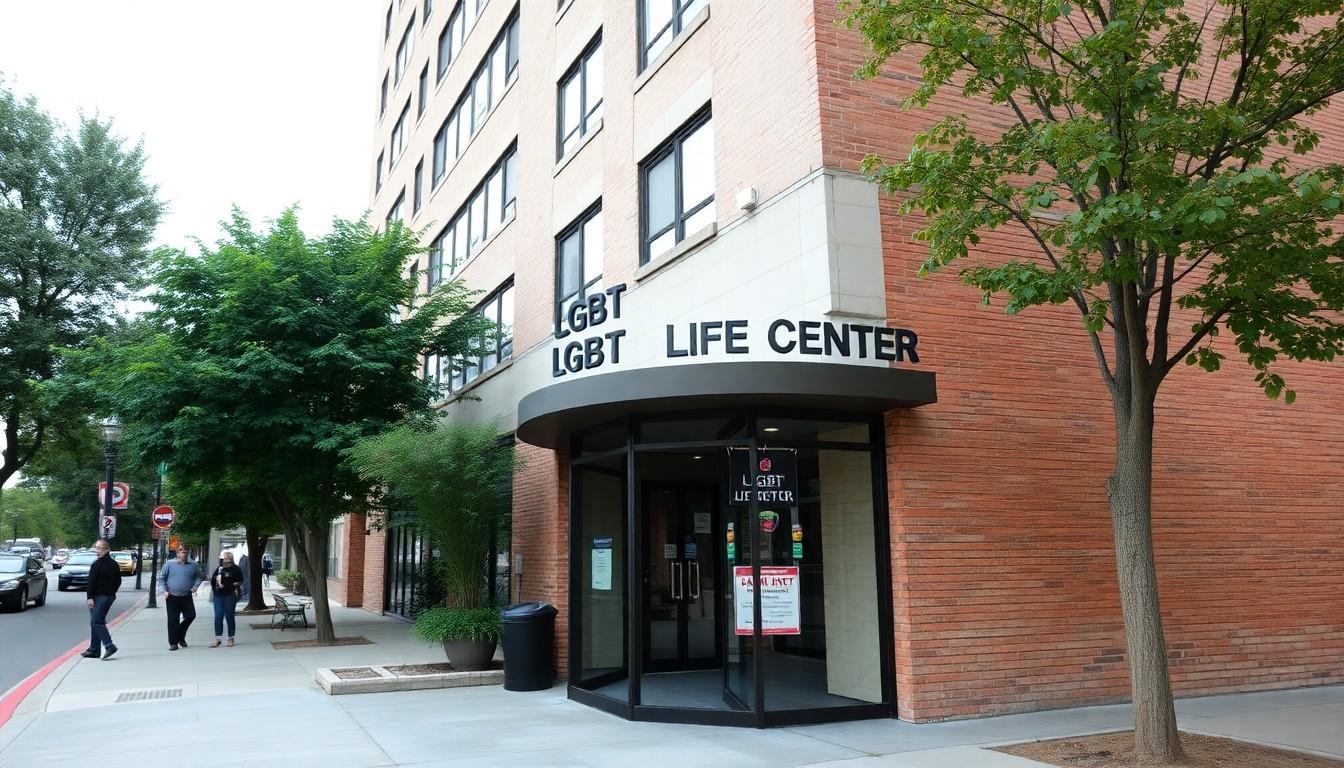
LGBT Life Center's latest LIFE Support newsletter brings together practical voting information, LGBTQ+ history, youth connection and honest conversations about asking for help. With Spirit Day at its heart, the October issue offers a useful, community-led guide for LGBTQ+ young people, families and allies looking for ways to show up with care.
Essential Takeaways
- Spirit Day matters: GLAAD's annual observance encourages people to stand against LGBTQ+ bullying and show visible support.
- Youth connection is central: YOUth Matter gives LGBTQ+ young people aged 12 to 18 a place to talk, relax and build community.
- Support can be joyful: A fundraiser linked to top surgery turns asking for help into something social rather than shameful.
- Voting guidance is included: The newsletter explains Virginia's proposed constitutional amendments in accessible language.
- Volunteers shape the publication: LIFE Support is created with community contributors and is now looking towards its next chapter.
A newsletter that starts with showing up
The October issue of LIFE Support arrives with a simple but powerful message: support isn't just something people talk about, it's something they practise. The newsletter moves between youth wellbeing, personal transition, voting and LGBTQ+ history, giving the whole edition a warm, distinctly community-made feel.
Spirit Day provides the natural starting point. GLAAD describes the annual event as a chance to take a stand against bullying and show solidarity with LGBTQ+ young people. Purple clothing, social posts and public pledges may look small, but they can help make support visible in spaces where young people still feel isolated.
That visibility matters particularly for teenagers. A supportive message can be reassuring, while a reliable group or trusted adult can offer something deeper: somewhere to breathe, chat and feel understood.
Why LGBTQ+ youth groups remain so important
YOUth Matter, LGBT Life Center's social support group for LGBTQ+ people aged 12 to 18, is presented as a place for connection as much as conversation. According to the centre's programme information, participants can spend time together, discuss shared experiences and build friendships in a welcoming setting.
The emphasis on fun is worth noticing. Support services don't have to feel clinical or heavy every time, and young people deserve spaces where they can simply be themselves. A relaxed room, an easy conversation or a shared joke can be just as meaningful as formal advice.
GLAAD's Spirit Day guidance also encourages adults and allies to make support practical and ongoing. Wearing purple for one day can open the door, but listening consistently and challenging harmful behaviour is what gives that gesture lasting weight.
Asking for help without the awkwardness
One of the issue's most personal contributions comes from volunteer editor Kyle Fillhart Evans, who writes about his path towards top surgery and the mixed emotions involved in seeking support. That honesty gives the newsletter a more intimate edge, especially for readers who may recognise the discomfort of needing help while worrying about becoming a burden.
The accompanying Boobie Be Gone Bingo fundraiser, featuring Emo Singo, adds a playful twist. It treats community fundraising not as an apology or a last resort, but as a shared experience where people can contribute, laugh and take part together.
That approach feels especially welcome in conversations about gender-affirming care. Practical support often costs money, time and emotional energy, yet people can be reluctant to ask. Turning fundraising into a social event helps replace embarrassment with connection, which is a much kinder model.
Voting information made easier to follow
The October newsletter also includes a plain-language guide to Virginia's three proposed constitutional amendments, alongside key voting dates and resources. For readers who find election information dense or overly technical, that kind of explanation can make participation feel far less daunting.
The timing is useful, too. LGBTQ+ communities often have a strong stake in local and state decisions, from education and healthcare to civil rights and public services. A clear guide doesn't tell readers how to vote, but it can help them understand what is on the ballot before they make their own choice.
It sits neatly beside the issue's wider message about showing up. Community care can mean joining a youth group or donating to a fundraiser, but it can also mean checking registration details, learning the deadlines and making a plan to vote.
A volunteer publication with room to grow
Alongside the practical information, LIFE Support includes original work from Jacob Fillhart Evans, LGBTQ+ history trivia and a calendar of October awareness dates. Those lighter features help the edition feel more like a community magazine than a noticeboard.
The newsletter also looks ahead to what's next. Its volunteer-created format invites people to contribute their ideas, writing and energy, while LGBT Life Center directs potential volunteers to create a profile and get connected.
That openness is part of the appeal. Community publications work best when readers can see themselves in the pages, whether they're sharing a personal story, learning something new or simply finding an event that makes the month feel less lonely.
A visible pledge is useful, but sustained community is where support becomes real.
Source Reference Map
Story idea inspired by: [1]
Sources by paragraph: