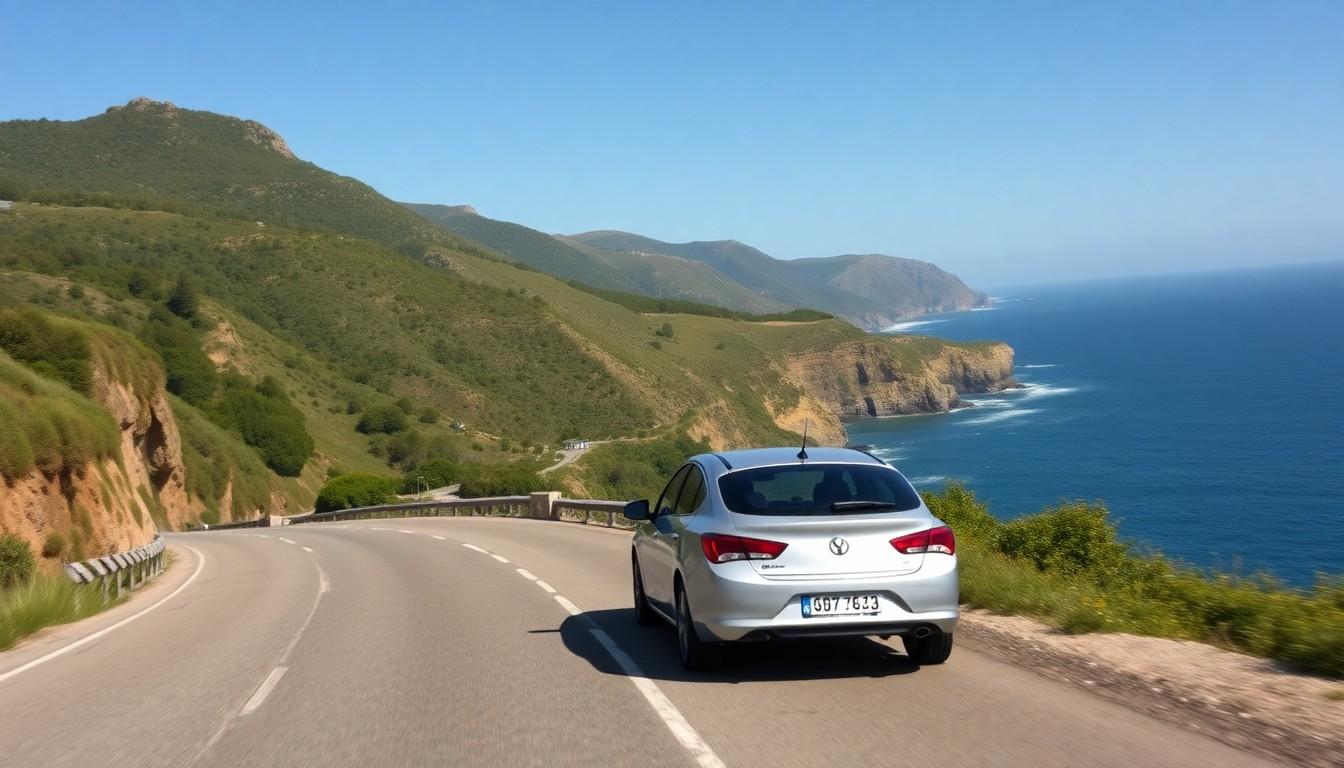
Travellers are swapping airport queues for LGBTQ+ road trips that connect famous queer cities with beaches, mountains, wine regions and wonderfully unexpected stops. From Miami to Key West to Barcelona and Torremolinos, these routes offer freedom, flexibility and a chance to explore inclusive destinations at a more human pace.
Essential Takeaways
- Top routes: Standouts include Miami to Key West, New York to Provincetown, Berlin through Central Europe and Australia’s south-east coast.
- Take it slowly: Four to six hours of driving is a sensible limit on most travel days, with even shorter stints on mountain roads.
- Plan inclusive stops: LGBTQ+-owned hotels, queer-friendly guesthouses and recent traveller reviews can make overnight stays feel more comfortable.
- Check the paperwork: International journeys may require an International Driving Permit, insurance documents and permission to cross borders in a hire car.
- Offline matters: Download maps before heading into remote areas, where mobile coverage can become patchy just when you need it.
The best LGBTQ+ road trips make the journey part of the holiday
A great LGBTQ+ road trip isn't simply a way to reach the next gay-friendly city. It's the anticipation of bright water beyond a bridge, the sudden appearance of a mountain range, or a small café that becomes the unexpected favourite of the trip.
Miami to Key West is a particularly easy introduction. The route combines Miami's Art Deco glamour and lively queer scene with the island-hopping Overseas Highway, seafood stops and the relaxed atmosphere of Key West. GayCities has also highlighted the route as a classic American road adventure, making it a useful option for first-time planners.
The wider appeal is clear: travellers can build a holiday around both celebrated LGBTQ+ destinations and the places between them. That balance is one reason queer travel guides continue to spotlight cities such as Berlin, Barcelona, Sydney and Buenos Aires, according to National Geographic and Lonely Planet.
Eight routes worth putting on your travel wish list
For a compact North American escape, New York to Provincetown offers plenty of variety. Add Boston, Cape Cod villages and coastal beaches, and a route of roughly 350 miles can comfortably become a week-long holiday rather than a rushed transfer.
Europe offers even more combinations. A Berlin, Dresden, Prague, Vienna, Salzburg and Munich itinerary blends nightlife, historic architecture, mountain scenery and excellent food. Meanwhile, Barcelona through Sitges, Valencia, Madrid, Seville, Malaga and Torremolinos creates a longer Spanish adventure with beaches, museums, flamenco, tapas and one of the continent's best-known queer coastal destinations.
Italy is better suited to travellers who enjoy lingering over lunch. Milan, Lake Garda, Bologna, Florence, Tuscany and Rome bring fashion, lakeside views, Renaissance art, vineyards and pasta into one route. Just remember that historic centres often have restricted traffic areas, so check parking and access before setting off.
Further afield, the Mae Hong Son Loop in northern Thailand rewards careful drivers with temples, waterfalls, hot springs and winding mountain scenery. Buenos Aires to Mendoza delivers vast landscapes and vineyard views, while Australia's south-east coast runs from Sydney through Melbourne and the Great Ocean Road towards Adelaide. Lavender Atlas and SkySonar both reflect the broader appetite for inclusive destinations beyond the usual headline cities.
How to choose the right route for your time
The best itinerary depends less on how many pins you can place on a map and more on how much time you want outside the car. A long route can look thrilling on screen but feel surprisingly tiring when every afternoon becomes a race to reach the next hotel.
For a weekend, choose one compact region, such as Miami and the Keys or New York and Cape Cod. Four to seven days suits a coastal highway or a focused loop. With eight to fourteen days, you can join several cities together, but leave room for slower mornings, spontaneous swims and the occasional excellent detour.
A useful rule is to keep most driving days to around four to six hours. On Thailand's winding mountain roads, two to four hours may be plenty. Take a break roughly every two hours, share the driving when possible and avoid following a huge travel day with another huge travel day.
As Mr Hudson's American East Coast itinerary demonstrates, a multi-stop journey can connect major cities over several days without turning the entire holiday into a motorway marathon. Your future self, especially after the third fuel-stop coffee, will appreciate the restraint.
Inclusive planning starts before you turn the key
Road trips can open up smaller towns and rural areas, but that freedom comes with a little extra research. Before travelling, check local laws, attitudes and practical conditions along the route, particularly when crossing borders. National Geographic and other destination guides regularly stress that LGBTQ+ experiences can vary considerably between places, even within the same country.
Accommodation deserves attention too. Look for LGBTQ+-owned hotels, queer-friendly guesthouses and recent reviews from LGBTQ+ travellers. A welcoming beach town, wine region or small community can become a highlight, but don't assume that a country with a strong reputation for inclusion will feel identical in every stop along the road.
Couples should consider how comfortable they will feel showing affection in quieter locations, while solo travellers should share their route with someone at home. Keep the tank reasonably full, avoid arriving exhausted in an unfamiliar place late at night and download offline maps before entering remote territory. These are small preparations, but they make the trip feel far less vulnerable.
Documents, borders and hire-car details matter
International road trips need more than a good playlist. Depending on the country, you may need a passport, full driving licence, International Driving Permit, vehicle registration, hire agreement and proof of insurance. Check requirements well before departure, as rules can vary between countries and sometimes between US states.
Border crossings in hire cars need particular care. Tell the rental company about every country you plan to visit and confirm that the agreement includes the correct insurance, paperwork and breakdown support. Never assume that permission to hire a car automatically means permission to take it across an international border.
It's also worth checking toll systems, low-emission zones, winter-tyre rules, parking restrictions and national-park permits. Historic European cities can be especially tricky, with restricted central streets that make a perfectly innocent sat-nav instruction rather less innocent than it sounds.
Finally, book overnight stops before leaving. A little spontaneity is delightful, but searching for the last available room at nearly midnight in an unfamiliar town is less charming. GayCities, Lonely Planet and other travel resources can help identify inclusive destinations, while local LGBTQ+ guides may reveal smaller businesses worth supporting.
The road ahead looks refreshingly open
The strongest LGBTQ+ road trips combine recognised queer hubs with the freedom to discover somewhere neither glossy brochure nor airport departure board could have shown you. They can be glamorous, outdoorsy, food-led or gloriously improvised, depending on the route and your appetite for detours.
Start with a manageable stretch, build in breathing space and let the landscape earn its place in the itinerary. Often, the most memorable part isn't the final party or famous beach, but the quiet stop that made the whole journey feel like yours.
Take the scenic route, but make it a thoughtful one.
Source Reference Map
Story idea inspired by: [1]
Sources by paragraph: