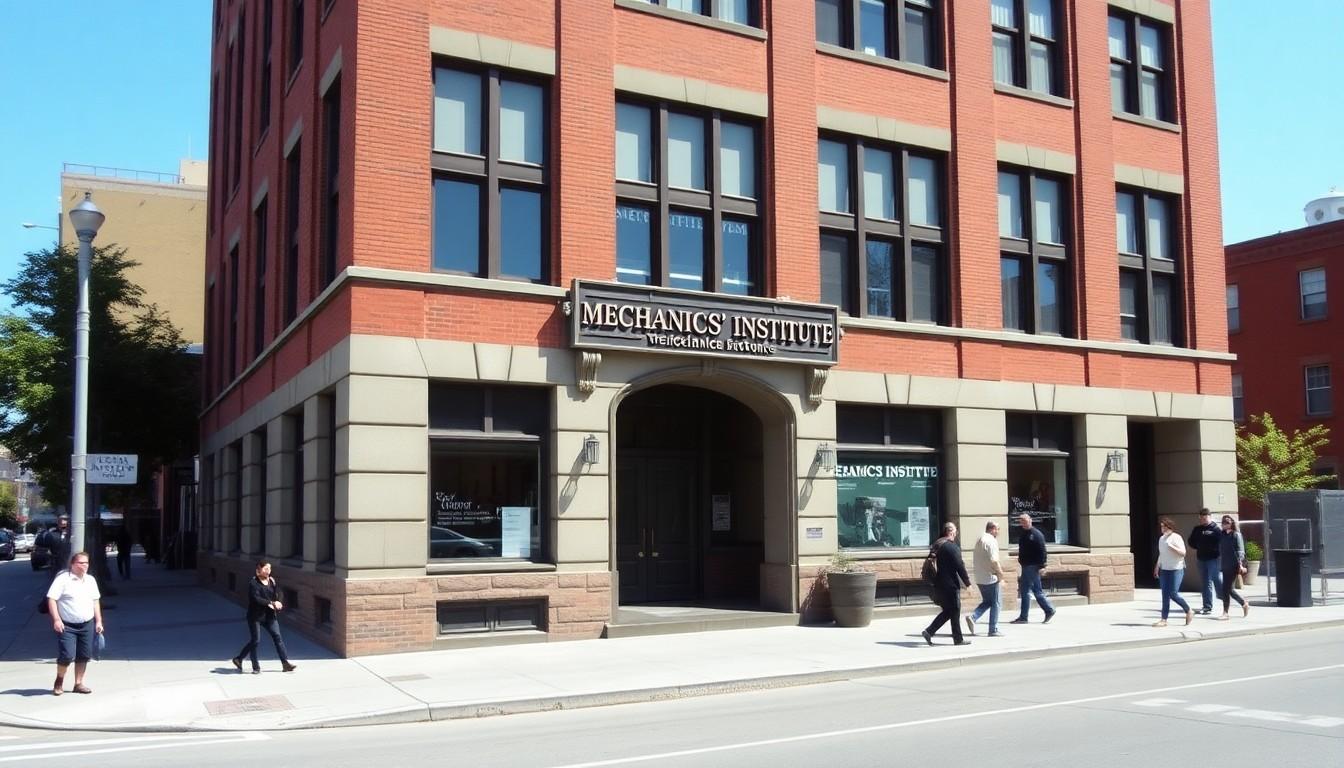
Visitors are discovering a remarkable San Francisco archive of LGBTQ family children’s books, offering more than 200 titles, rare historical context and a vivid record of how queer family life entered children’s publishing. Housed at the Mechanics’ Institute, the collection matters now because these stories are increasingly contested elsewhere.
Essential Takeaways
- More than 200 books: The collection covers LGBTQIA+ families across several decades.
- A living history: Titles range from 1969 to 2023, showing how representation has changed.
- More than family stories: Newer books place queer characters in adventures, mysteries and imaginative worlds.
- Research-friendly access: Researchers and Mechanics’ Institute members can consult the books in person.
- A timely resource: LGBTQ+ children’s titles remain disproportionately affected by challenges and bans.
A quiet library collection with a powerful purpose
Some of the most important cultural archives don't look dramatic from the outside. This one is a shelf of children's books in San Francisco, yet together the volumes form an unusually detailed history of LGBTQIA+ family life, publishing and childhood representation. The Mechanics' Institute describes the Tarpey-Schwed LGBT Families Children's Book Collection as a specialist resource for researchers, educators, librarians and visitors. According to the Mechanics' Institute's collection information, it contains more than 200 books, each selected to illuminate families with one or more LGBTQIA+ members. [2]
There's something particularly affecting about seeing these stories gathered together. A single picture book can feel small and personal, but an entire collection shows the bigger journey: who was represented, how families were described and when queer characters began to appear as part of ordinary childhood rather than as the sole subject of the plot. The archive's online project also helps place the books within that broader story. [4]
From scarce family stories to everyday adventures
The collection began with a practical need. When Randall Tarpey-Schwed and his husband were looking for books for their daughters, there were relatively few titles that reflected their family. Collecting those early editions turned a personal search into a carefully documented resource, preserving books that might otherwise have become difficult to find. KQED's reporting on the archive highlights how those early works now serve as time capsules of changing attitudes and publishing culture. [5]
Early titles tended to focus directly on LGBTQ+ families and the experience of growing up within them. That focus was essential: for many children, simply seeing a family like theirs on the page was a meaningful act of recognition. Later books broadened the frame, allowing queer children and parents to take part in stories about exploration, celebration, mystery and make-believe. The Mechanics' Institute's special collections programme places this kind of material within its wider commitment to preserving distinctive cultural records. [3]
Why the collection feels especially urgent now
The archive is more than a history lesson. It arrives at a moment when books featuring LGBTQIA+ people are facing sustained scrutiny in schools and libraries. Reporting from The Pink Times describes the collection as a form of preservation amid pressure on queer children's literature, while KQED notes the importance of retaining early books that document how representation developed. [6]
That makes the collection feel both hopeful and sobering. The books show that queer families have long been part of children's publishing, even when mainstream shelves offered only limited space for them. They also remind us that progress isn't always a straight line; stories can become more visible in one place while access is restricted in another.
How to view the LGBTQ family book archive
The collection is designed for serious use, but it isn't locked away behind an academic-only door. Mechanics' Institute members and researchers can consult items in the library, while members of the public can arrange access to selected material by appointment. The institute's research and resources pages provide the practical starting point for planning a visit. [2]
It's worth checking access arrangements before travelling, particularly if you're hoping to see a specific title or use the material for research. The archive's detailed notes and historical cataloguing are part of its value, so visitors should allow time to look beyond individual covers and consider how the books sit together as a record. For educators and librarians, that context could be as useful as the stories themselves.
A collection that keeps the conversation open
The Tarpey-Schwed collection also points towards a more generous idea of representation. Children deserve books in which LGBTQIA+ families can be central, but they also deserve stories where queer characters get to be funny, curious, brave, messy and fantastical, without carrying the entire burden of explanation. That shift is one of the archive's most encouraging messages. [4]
Mechanics' Institute events and special collections programming offer another way into this work, bringing the material into public view rather than treating it as a hidden niche. As the institute's events listings show, the collection is part of an active cultural programme, not simply a static shelf. [7] For families, teachers and anyone interested in children's publishing, it offers a chance to see how far the field has travelled, and why keeping those paths visible still matters.
A small book can give a child recognition; an archive can show that recognition has a history.
Source Reference Map
Story idea inspired by: [1]
Sources by paragraph: