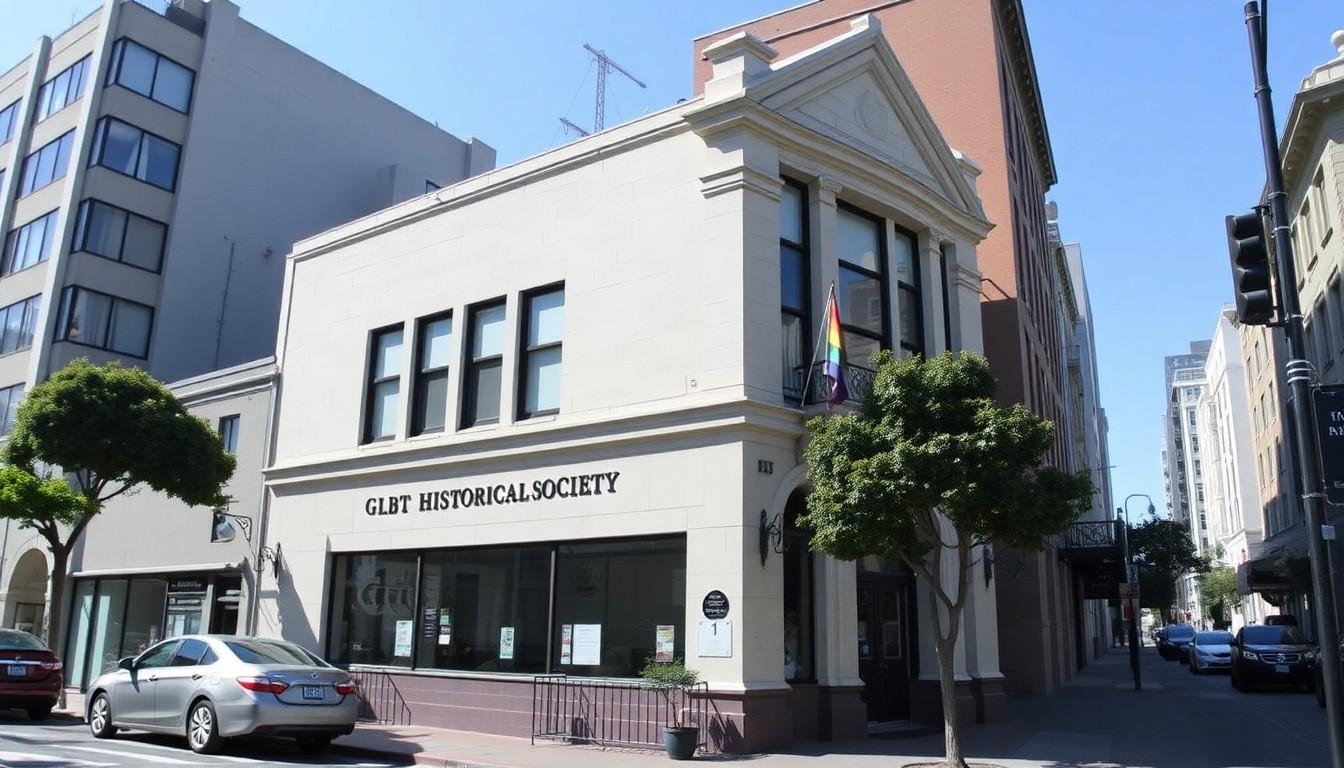
Travellers are seeking out LGBTQ+ museums, archives and artistic landmarks across the world, from San Francisco's GLBT Historical Society to Pittsburgh's Andy Warhol Museum. These places offer more than memorable photographs: they preserve community stories, celebrate queer creativity and give visitors a richer sense of the people and movements that shaped modern culture.
Essential Takeaways
- History comes first: LGBTQ+ museums and archives preserve personal stories, protest material and everyday objects that might otherwise disappear.
- Art offers another route in: The Andy Warhol Museum brings together an exceptionally large collection of the artist's paintings, photographs, films and archives.
- Appointments matter: Smaller archives, including specialist collections, often require advance booking rather than a casual walk-in visit.
- Look beyond famous names: Sites connected with writers, musicians, activists and artists can reveal the quieter, more personal side of queer history.
- Plan around exhibitions: Temporary displays change regularly, so check official websites before travelling.
These aren't just museums, they're places with a pulse
A strong LGBTQ+ travel itinerary doesn't need to revolve around nightlife. Often, the most affecting stops are quieter: a handwritten letter, a battered poster or a room where an artist once worked. According to the GLBT Historical Society, its San Francisco museum combines permanent and temporary exhibitions that explore LGBTQ+ lives across different communities and generations. [2]
That variety matters. Queer history isn't one neat storyline, and the best institutions make room for overlapping experiences involving race, gender, activism, art and local identity. A visit can feel intimate and expansive at the same time, which is a rather good trick for any museum.
San Francisco sets the historical standard
In San Francisco's Castro district, the GLBT Historical Society Museum provides a useful starting point for visitors who want to understand the city's role in LGBTQ+ history. Its displays include material linked to Pride, community organising and the wider social changes that made queer life more visible. [2]
The society also maintains extensive archival collections beyond the public galleries. Researchers and curious visitors may be able to consult material by arrangement, but it's worth checking access details before setting off. Archives are rewarding places, though they tend to favour patience, careful planning and clean hands over spontaneous sightseeing.
Warhol's Pittsburgh homecoming is a colourful detour
Pittsburgh offers a different mood through the Andy Warhol Museum, which celebrates one of the city's most famous creative exports. The museum says it holds the largest collection of Warhol's art and archives anywhere, spanning paintings, drawings, photographs, films, prints and personal material. [3]
Expect familiar images, but don't assume the visit will feel predictable. The museum's range means visitors can move from celebrity portraits and commercial icons to less polished, more revealing glimpses of Warhol's working life. The official museum overview also highlights the breadth of the collection, making comfortable shoes a sensible choice. [4]
From archives to artists, the world is full of queer touchpoints
The most compelling bucket-list stops aren't always labelled as LGBTQ+ attractions. Frida Kahlo's Mexico City home, Tennessee Williams's Key West legacy and Walt Whitman's former residences each invite visitors to think about how sexuality, identity and creativity appear in a person's work and surroundings.
The same is true of major art collections displaying work by figures such as Robert Mapplethorpe or Michelangelo. These places require a little nuance: historical identities don't always fit modern categories neatly, and interpretation can be contested. Still, they open valuable conversations about desire, representation and who gets remembered.
How to plan an LGBTQ+ cultural trip
Start with the official website, then check opening hours, ticketing, photography rules and exhibition dates. Smaller collections may be available only by appointment, while larger museums can have timed entry or special events. The GLBT Historical Society's online presence is particularly useful for checking museum and archive information before a San Francisco visit. [2]
For art-led travel, build in breathing space. The Andy Warhol Museum's holdings are substantial, and the institution's own information makes clear that there's plenty to see across its galleries and collections. [5] A good itinerary pairs one major museum with a neighbourhood walk, a bookshop, a historic venue or a relaxed meal. Your feet, and possibly your attention span, will thank you.
Why these places matter now
Preserving LGBTQ+ culture isn't simply about looking backwards. Museums and archives help communities hold on to evidence of lives that were often ignored, censored or recorded only through hostile official accounts. They also give younger visitors something tangible: proof that queer creativity and resistance have always existed, even when the language around them had to remain coded.
The outlook is encouraging when institutions keep widening their collections and programming. The Andy Warhol Museum's scale shows how a single artist's legacy can support exhibitions, research and public events for generations. [6] Meanwhile, specialist LGBTQ+ archives demonstrate that ordinary letters, photographs and community leaflets can be just as meaningful as a celebrated masterpiece.
A memorable cultural trip doesn't have to answer every question. Sometimes it's enough to stand in front of an object and realise that someone, decades earlier, was trying to make a life visible.
Choose the places that speak to your interests, and leave room for the unexpected.
Source Reference Map
Story idea inspired by: [1]
Sources by paragraph: