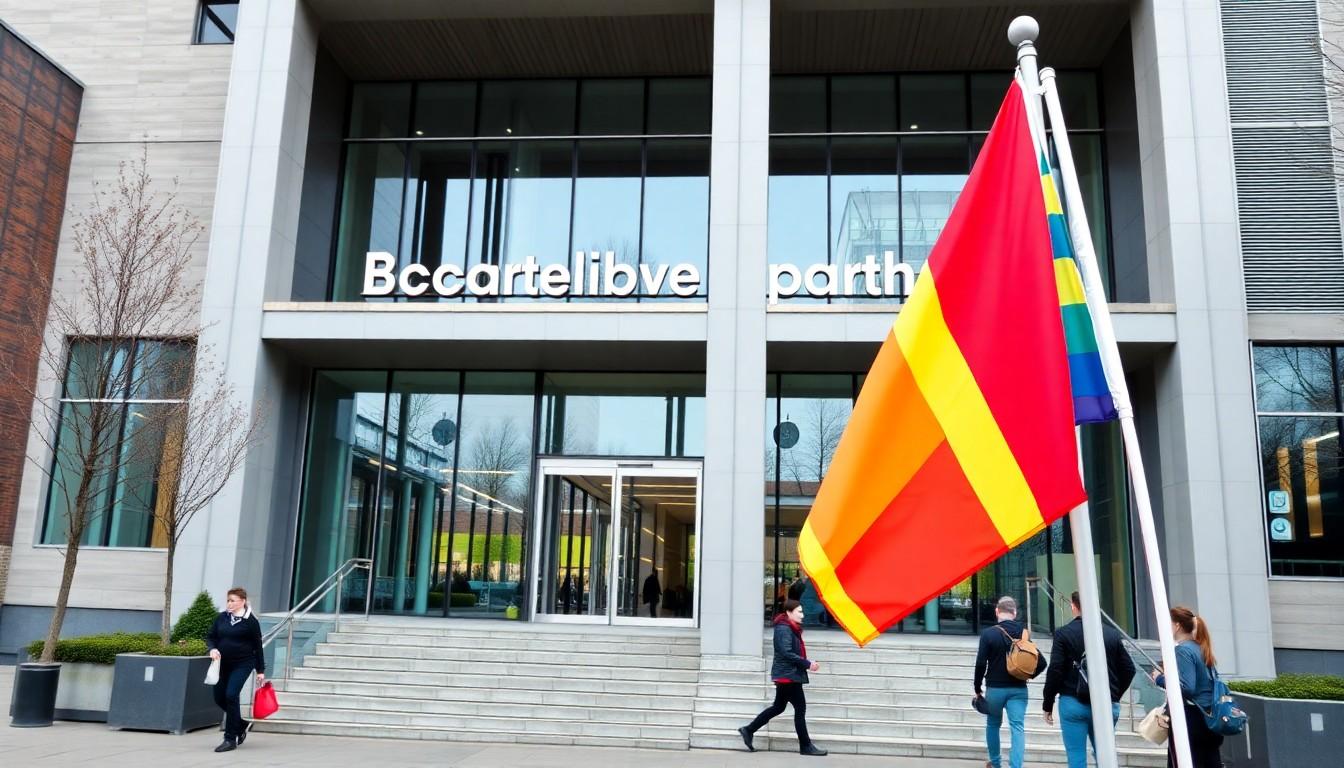
Debate over the rainbow flag, Purple Friday and biblical views on homosexuality is exposing a deeper question: how should faith communities balance scriptural interpretation with the real harm experienced by LGBTQ+ people? The argument is not simply about symbols, but about belonging, conscience and who feels safe in public and religious spaces.
Essential Takeaways
- The rainbow carries different meanings: For many Christians, it recalls the biblical story of Noah; for LGBTQ+ people, it signals visibility, solidarity and equality.
- Biblical interpretations vary: Christian sources differ on how passages concerning same-sex relationships should be understood today.
- Purple Friday remains significant: Schools use it to encourage acceptance, although participation can be controversial in some communities.
- Personal experience matters: Rejection can leave lasting feelings of shame, fear and isolation.
- The central question is practical: Whatever the theology, communities must consider how their language affects vulnerable people.
One flag, several powerful meanings
A rainbow flag can look like a simple piece of coloured fabric, fluttering brightly outside a school, church or public building. Yet it carries very different emotional weight depending on who is looking at it.
For many LGBTQ+ people, the flag represents recognition after years of being ignored or told to stay quiet. In Christian settings, however, some people associate the rainbow first with the covenant described in Genesis, in which God promises not to destroy the earth with another flood. The Dutch Bible Society explains that biblical references to homosexuality are found in several different passages and need to be read within their historical and literary context.
That clash of meanings helps explain why the flag can feel welcoming to one person and provocative to another. The object is small, but the questions attached to it are enormous.
Why biblical interpretation sits at the heart of the dispute
Arguments about homosexuality often focus on familiar passages from Genesis, Leviticus and the New Testament. Conservative Christian commentators, including GotQuestions, interpret those texts as evidence that same-sex sexual relationships are contrary to biblical teaching.
Other Christians question whether ancient rules can be transferred directly into modern life without examining their original setting. The Dutch Bible Society notes that biblical passages were written across different periods and genres, meaning readers must consider language, culture and purpose rather than treating every verse as a standalone instruction.
That doesn't settle the debate, but it does reveal the issue beneath it. Christians are not only disagreeing about individual verses. They're also disagreeing about how the Bible should be read, which principles remain binding and how moral teaching relates to contemporary knowledge and lived experience.
Purple Friday brings the argument into schools
The debate becomes especially immediate when it reaches the classroom. Purple Friday is intended to promote acceptance of LGBTQ+ students, but participation can be difficult in schools where families or pupils hold religious objections.
Education commentary on the event suggests that attitudes towards homosexuality have generally become more accepting, while also warning that headline figures don't capture every student's experience. A school can appear tolerant on paper and still feel uncomfortable, hostile or lonely to a young person navigating their identity.
That's why practical details matter. Participation should not become a public loyalty test, and disagreement should never turn into mockery or intimidation. Schools need clear rules, calm explanations and support for students who feel caught between family beliefs, peer pressure and their own developing sense of self.
The human cost is easy to overlook
The most serious part of this conversation isn't the flag itself. It's what can happen when a person repeatedly hears that an important part of their identity is sinful, shameful or unwelcome.
People who suppress their sexuality for years may describe anxiety, loneliness and a fractured sense of self. Those experiences shouldn't be brushed aside as a side issue in a theological discussion. They are evidence of how public language can enter private lives, sometimes quietly and for a very long time.
A careful distinction is useful here. People can hold religious convictions about sexual ethics, but expressing those convictions with contempt is different from explaining them respectfully. The challenge is to defend conscience without making another person feel that they must disappear.
What does a rainbow flag outside a church say?
A flag outside a supermarket may be read as a brand statement or a gesture of inclusion. Outside a church, it can suggest something more personal: that the congregation believes LGBTQ+ people belong there, not merely that they are tolerated.
Theology.nl argues that a rainbow flag on a church communicates a distinctive public message because churches are communities of belief as well as public institutions. Supporters see that visibility as an important counterweight to rejection. Critics may view it as a departure from traditional teaching.
Neither reaction is surprising. Symbols work precisely because they condense complicated ideas into one immediate image. The wisest communities will therefore explain what their symbols mean, listen to those who feel excluded and avoid pretending that a colourful banner can resolve a difficult argument on its own.
A debate that needs both conviction and care
Religious disagreement isn't going to vanish, and it shouldn't be forced into silence. But intellectual humility matters, especially when interpretations affect a minority that has historically faced discrimination.
The most constructive approach leaves room for serious scriptural discussion while refusing to minimise the damage caused by shame and exclusion. In the end, the question isn't only what a flag means. It's also what kind of community people encounter when they walk beneath it.
A symbol can start the conversation, but kindness determines where it goes.
Source Reference Map
Story idea inspired by: [1]
Sources by paragraph: