People mark National Coming Out Day in different ways, from joyful social posts to quiet conversations at home. But the occasion matters for more than visibility alone. It offers LGBTQ+ people a chance to share their stories, remember how much has changed and listen to the very different pressures faced by younger and older generations.
The question that opens a door
“ When did you come out?” can sound like casual conversation, but within queer communities it often carries far more weight. The question can create an instant point of recognition, inviting people to compare experiences, find common ground and understand the risks or support that shaped someone’s journey.
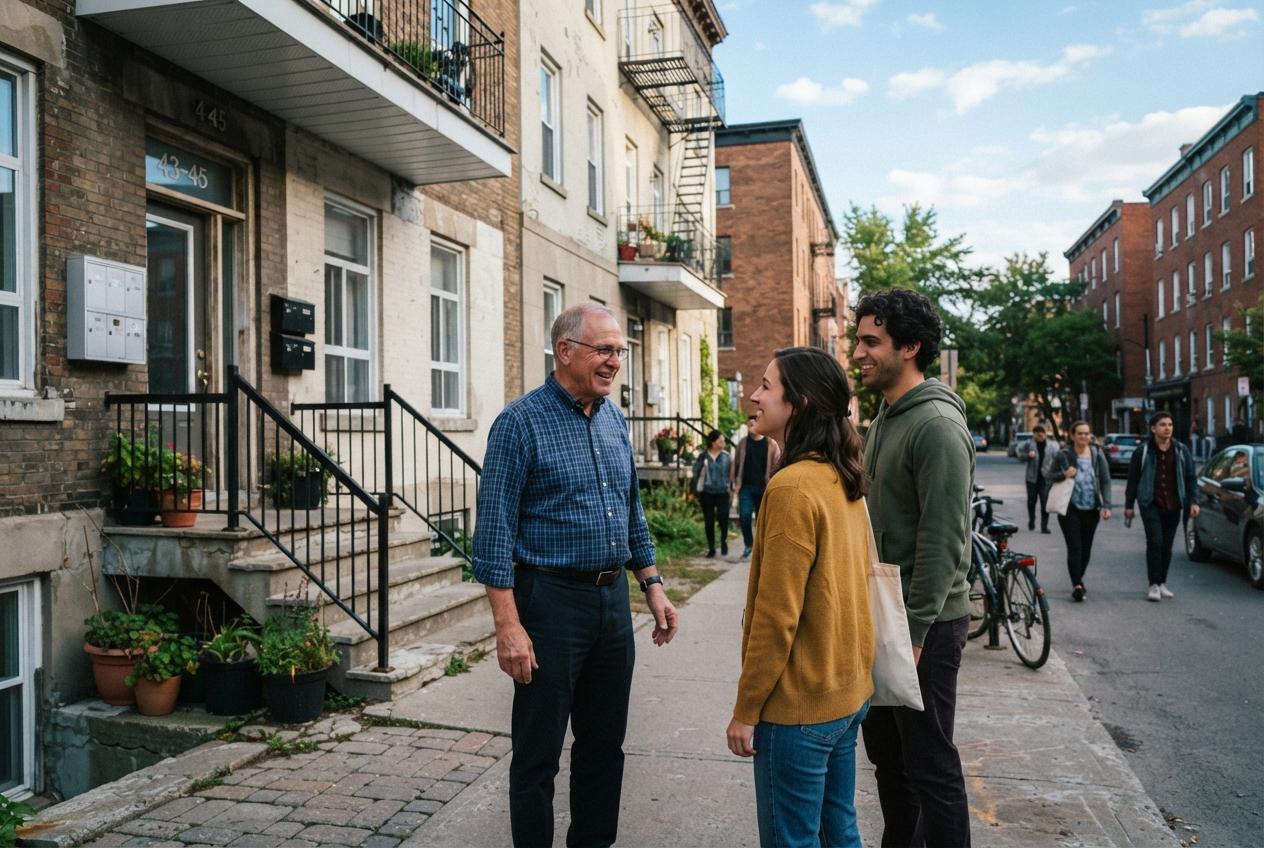
According to The Advocate, one writer’s conversation with younger neighbours revealed just how dramatically those experiences can differ. Their coming-out stories were important, but they weren’t defined by the same secrecy and fear that surrounded his own in the 1990s.
That contrast is easy to miss when history is reduced to dates and slogans. A simple question can bring the emotional reality back into focus.
National Coming Out Day has a history of its own
National Coming Out Day is observed each year on 11 October. It was created in 1988, following the second anniversary of the 1987 March on Washington for Lesbian and Gay Rights, and was intended to promote visibility as a form of activism, according to background accounts collected by Wikipedia.
The idea was straightforward but powerful: if more LGBTQ+ people could live openly, prejudice might become harder to sustain. Visibility could challenge caricatures, build solidarity and show that queer lives were already part of every neighbourhood, workplace and family.
That doesn’t mean coming out is compulsory. The day’s history is about collective visibility, not demanding personal disclosure. Safety, privacy, family circumstances and financial security still matter, and nobody owes the public a coming-out story.
From whispered secrets to public milestones
For many people who came out in earlier decades, being open could feel dangerously isolating. The Advocate describes the 1990s as a period when gay identity was often wrongly linked in the public mind with HIV and AIDS, creating an additional layer of fear around disclosure.
The language of secrecy was especially stark. Telling one trusted person might be followed by a plea not to share the news, because a private revelation could quickly become gossip, discrimination or rejection. It’s difficult to understand that atmosphere fully unless someone who lived through it explains the texture of daily life.
Today, younger LGBTQ+ people may have access to supportive online communities, visible public figures and more affirming portrayals in entertainment. Time has also examined how the idea of the “closet” became central to the language of queer identity and liberation, giving people a way to describe both concealment and freedom.
Progress is real, but it isn’t evenly shared
A brighter cultural landscape hasn’t removed every obstacle. National Coming Out Day arrives amid political disputes, religious trauma and continuing attacks on LGBTQ+ rights in parts of the United States, as The Advocate notes.
That tension is one reason the day still matters. A celebratory post may look effortless, but behind it could be a long process of uncertainty, family negotiation or deciding whether a public declaration feels safe. For someone else, staying private may be the wisest and most self-protective choice.
History also varies by place, age, race, class and community. Pride events and LGBTQ+ groups can offer connection, but not everyone has equal access to them. Miami Pride’s account of National Coming Out Day’s meaning highlights the continuing role of visibility, community education and solidarity.
How to make the day more supportive
The most useful response to National Coming Out Day isn’t to pressure someone into sharing. Instead, listen when people volunteer their stories, avoid treating disclosure as entertainment and remember that a person’s timeline belongs to them.
If you’re supporting someone who is considering coming out, practical help can matter more than grand speeches. Ask what they need, respect confidentiality, check whether home or work could become unsafe and point them towards reputable LGBTQ+ support organisations. A calm, private conversation can be more meaningful than a public post.
For older LGBTQ+ people, the day can also be an opportunity to share memories with younger generations. For younger people, listening can reveal how hard-won today’s freedoms are. That exchange turns National Coming Out Day into something richer than a yearly trend: a living conversation between people who inherited very different worlds.
The strongest celebrations leave room for both joy and caution. As one person enjoys the ease of posting a photograph with a partner, another may remember when even telling a friend required a promise of silence.
National Coming Out Day is at its best when every story is treated with care, including the decision not to tell one.
Explore the history, listen generously and let people choose what openness means for them.
Source Reference Map
Story idea inspired by: [1]
Sources by paragraph: