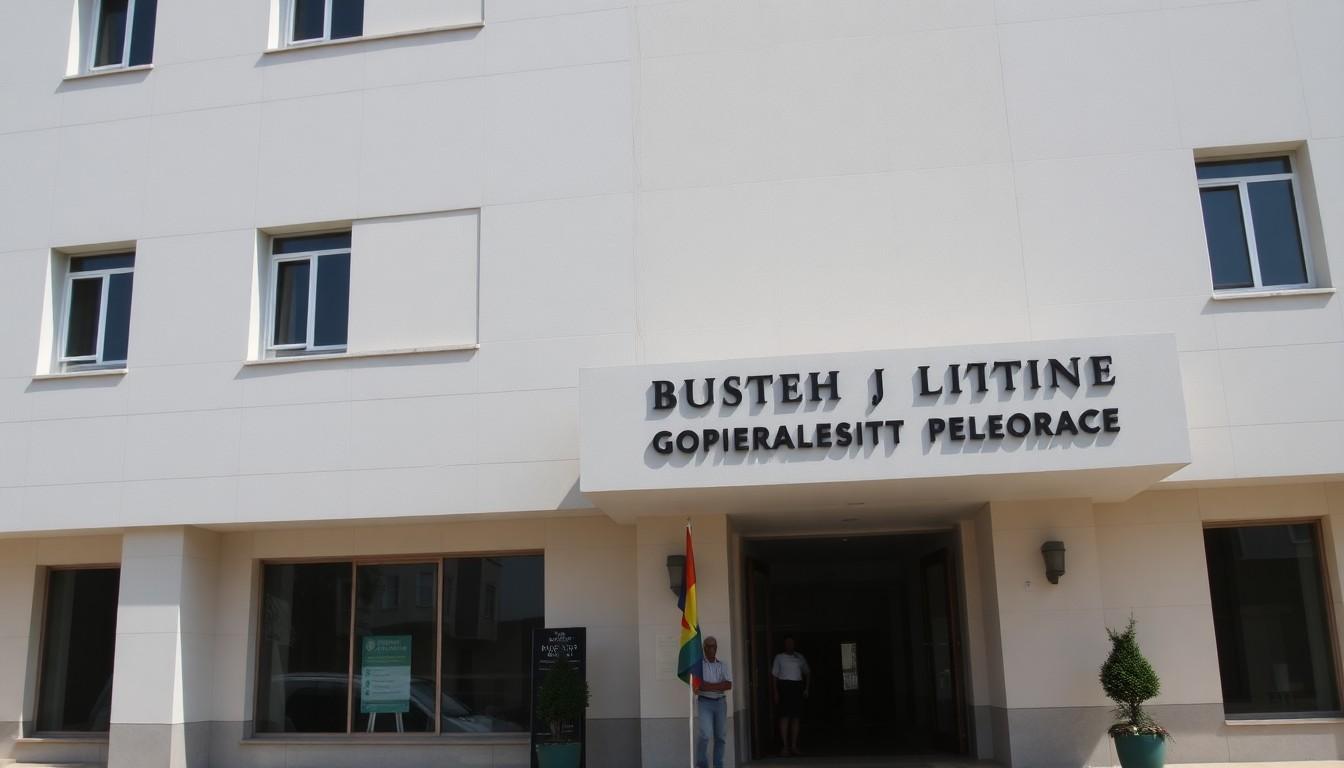
A new Human Rights Watch report has raised fresh concern over Senegal’s treatment of LGBT people, citing at least 212 arrests recorded since tougher criminal provisions took effect. Published in Dakar as an African rights forum opened, the report draws on 39 testimonies and describes alleged detention, violence and discrimination across the country.
Essential Takeaways
- At least 212 arrests: RADDHO’s figures, cited by Human Rights Watch, cover arrests recorded since the new provisions were implemented.
- Dozens may still be detained: The report estimates that nearly 100 people remain in custody in cases involving alleged “acts against nature”, though the figure hasn’t been officially confirmed.
- 39 testimonies underpin the report: Human Rights Watch says its findings are based on accounts from people affected by the crackdown.
- The impact extends beyond arrest: Reported abuses include alleged violence, discrimination and fear of being identified or targeted.
- The figures aren’t interchangeable: The cumulative arrest total doesn’t equal the number of people currently behind bars.
A sharp rise in reported arrests
The central figure is stark: at least 212 people have reportedly been arrested since Senegal’s tougher anti-LGBT provisions came into force. Human Rights Watch said the data came from the Rencontre africaine pour la défense des droits de l’homme, or RADDHO, whose secretary general described a marked increase across the country.
That distinction matters. The total reflects arrests over time, while a separate estimate suggests that close to 100 people could currently be detained in cases linked to alleged same-sex conduct. Human Rights Watch’s French-language report stresses that this latter figure still needs official confirmation.
For families and communities, the numbers represent more than a statistic. Each arrest can bring public exposure, social pressure and the quiet dread of not knowing what happens next, according to accounts summarised by Human Rights Watch.
Why the new report has drawn attention
The report, titled “A brutal crackdown violates the rights of LGBT people”, was released as the African Commission on Human and Peoples’ Rights began its 89th ordinary session in Dakar. That timing puts Senegal’s domestic record under an especially bright international spotlight.
Human Rights Watch said it reviewed 39 testimonies describing arrests, alleged violence and discrimination following the strengthening of the law. The organisation argues that the enforcement pattern amounts to a serious deterioration in the protection of LGBT people.
The report doesn’t present the issue as a handful of isolated cases. Instead, it describes pressure spreading across the country, with arrests and other abuses forming part of a wider climate of fear.
The numbers need careful reading
It’s tempting to treat 212 arrests and nearly 100 current detainees as two snapshots of the same group. They aren’t. The first is a cumulative figure supplied by RADDHO, while the second is an estimate of people who may still be imprisoned.
That difference is important when judging the scale of the crackdown. Arrests can include people later released, cases that overlap, or individuals whose legal status changes over time. Without a complete official breakdown, the precise number of people currently detained remains uncertain.
Human Rights Watch’s earlier reporting in February documented the arrest of 12 men under punitive anti-LGBT laws. That case offered an earlier illustration of how the provisions were being used, while the latest report suggests the pattern may be considerably broader.
What alleged abuses look like in practice
The concerns go beyond criminal charges. Human Rights Watch says those interviewed described detention, violence and discriminatory treatment, all of which can have consequences long after someone leaves custody.
People living with LGBT identities may also avoid healthcare, work or public services if they fear being exposed. Reporting from El Pais on life with HIV in Senegal has highlighted how stigma and the risk of persecution can overlap, creating an exhausting cycle of secrecy and vulnerability.
That human cost is easy to miss in a headline number. A detention can mean lost income, family conflict or a sudden loss of safety. Even rumours of arrests can make ordinary life feel smaller and more dangerous.
What happens next?
The latest findings are likely to intensify scrutiny of Senegal at regional human rights institutions. Human Rights Watch is calling attention to the need for accountability, while rights groups will be watching for clearer official data on arrests, prosecutions and current detainees.
For readers trying to understand the story, the most useful question isn’t simply how high the total is. It’s whether authorities publish transparent case information, investigate alleged mistreatment and ensure that people in custody receive fair legal protection.
The broader lesson is uncomfortable but clear: when criminal law is used against a marginalised group, the consequences can spread far beyond the courtroom. As the debate continues, accurate figures and independent monitoring will be essential.
A fuller picture will depend on transparent records, due process and protection from abuse.
Source Reference Map
Story idea inspired by: [1]
Sources by paragraph:
- Paragraph 1: [2], [3]
- Paragraph 2: [2], [3]
- Paragraph 3: [6], [7]
- Paragraph 4: [2], [3]
- Paragraph 5: [4], [5]
- Paragraph 6: [2], [3]
- Paragraph 7: [7], [2]
- Paragraph 8: [2], [3]
- Paragraph 9: [4], [5]
- Paragraph 10: [2], [3]
- Paragraph 11: [7], [2]
- Paragraph 12: [2], [3]
- Paragraph 13: [2], [3]
- Paragraph 14: [4], [5]
- Paragraph 15: [2], [3]
- Paragraph 16: [7], [2]
- Paragraph 17: [2], [3]
- Paragraph 18: [2], [3]
- Paragraph 19: [2], [3]
- Paragraph 20: [2], [3]