Pittsburgh's queer community is celebrating six years of local storytelling, while a long-running HIV support organisation, a transgender homecoming queen and a legendary Rocky Horror tradition offer three vivid reminders of how belonging is built.
Essential Takeaways
- QBurgh reaches six: The publication has spent six years documenting LGBTQ+ life across Pittsburgh and Western Pennsylvania.
- Care has staying power: Shepherd Wellness Community has supported people living with HIV/AIDS for nearly four decades.
- Young allies made their voices heard: Fairview High School students backed their elected transgender homecoming queen.
- Rocky Horror remains a ritual: Pittsburgh screenings and shadowcasts continue turning a cult film into a welcoming community experience.
- The common thread is participation: These stories all show that community survives because people organise, support and include one another.
Pittsburgh's queer stories are worth recording
The strongest message in this week's QBurgh celebration isn't simply that the publication has reached its sixth birthday. It's that local queer life is full of people doing the unglamorous, necessary work of keeping one another connected.
That means reporting on community meetings, celebrating performers and preserving history, but it also means noticing the quieter gestures. A student speaks up. A volunteer keeps an organisation moving. A newcomer walks into a cinema alone and discovers a room full of people who understand the assignment.
QBurgh says it has published more than 3,400 articles, interviews and photographs during its six years. That sheer volume matters because communities can disappear from the record when nobody takes the time to document them.
The anniversary is therefore more than a birthday cake moment. It's a useful reminder that queer journalism helps explain not only what happened, but why it mattered. (Sources: [2], [3])
Shepherd Wellness Community shows the value of long-term care
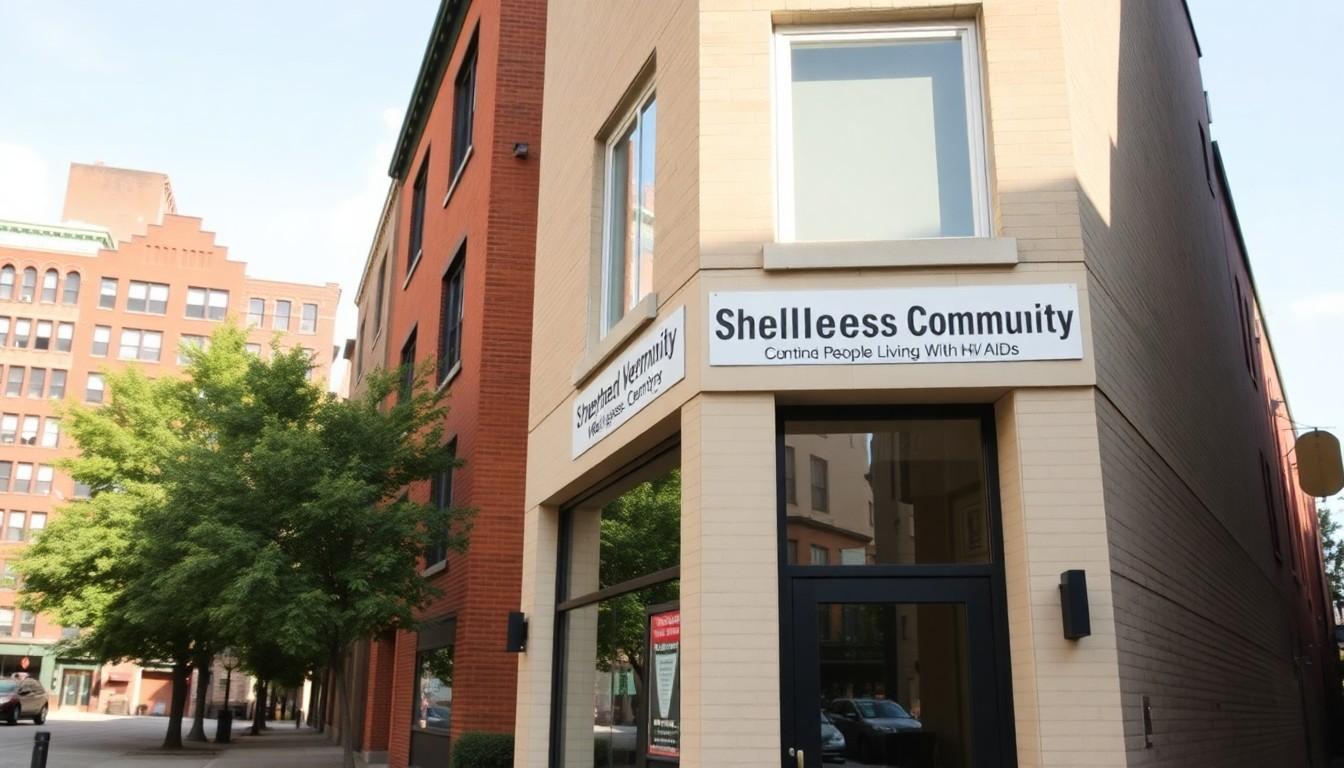
Few things say "still here" more powerfully than an organisation approaching its 40th anniversary. Shepherd Wellness Community has spent nearly four decades supporting people living with HIV/AIDS, offering a place where wellness, connection and dignity sit alongside practical care.
Its work belongs to a much longer history of HIV activism and community support. Treatments and public understanding have changed enormously since the crisis's earliest years, but the need for companionship and trusted services hasn't vanished.
That continuity was celebrated at the 2026 Red Ribbon Benefit, a community cabaret attended by more than 120 guests. With music, dancing, fashion and drag performances, the evening made an important point: support can be serious without being sombre.
The organisation's longevity also reflects the people behind it. Volunteers, donors, advocates and professionals provide the steady effort that allows a community service to survive changing times. Nearly 40 years of that work deserves more than polite applause. (Sources: [2], [3])
A homecoming crown became a lesson in allyship
At Fairview High School near Erie, students voted for Sammi, a transgender pupil, as their homecoming queen. When the result attracted hostile attention online, classmates and supporters attended a school board meeting to defend the choice.
It was a simple act, but not a small one. Teenagers made clear that the decision belonged to the students who had actually cast the votes, and that Sammi's celebration shouldn't be taken away by people looking in from outside.
For young LGBTQ+ people, that kind of support can change the emotional temperature of an entire school. A crown, a photograph or a dance may seem fleeting, but knowing that peers will stand beside you can stay with you for years.
The broader lesson is refreshingly direct. Allyship doesn't always require a grand campaign or perfect speech. Sometimes it means turning up, saying the obvious thing and refusing to let somebody face the noise alone. (Sources: [2], [3])
Why Rocky Horror still feels like queer community
The Rocky Horror Picture Show has never been just a film for its most devoted fans. With costumes, shouted responses, props and shadowcast performances, a midnight screening becomes part cinema, part theatre and part beautifully chaotic social ritual.
Pittsburgh has a particularly rich connection to the tradition. Local screenings date back to 1978, while current performances and listings show that the city's appetite for the cult classic hasn't faded. The Byham Theatre and other venues continue to give audiences chances to experience the show together rather than merely watch it at home.
That communal element is the secret. Newcomers can arrive uncertain, learn the callbacks from the crowd and leave with the feeling that they've crossed an invisible threshold. Even the odd bag of toast becomes a kind of welcome badge.
Reviews of Pittsburgh productions continue to highlight the show's camp energy and audience participation. For many people, the appeal lies in the permission to be loud, strange, theatrical and entirely unbothered for a couple of hours. (Sources: [4], [5])
How to enjoy a Rocky Horror screening without feeling lost
If you're new to a Rocky Horror event, don't panic. You don't need to memorise every response before you arrive, and you certainly don't need a costume, although dressing up can make the evening feel more playful.
Check the venue details first, particularly whether it's a standard screening, a live production or a shadowcast event. Some performances encourage props and audience participation, while others may have their own house rules. Visit Pittsburgh's event listings and the venue's information page for the latest guidance.
Arrive with a sense of humour and watch what the regulars do. The atmosphere can be raucous, but it should still feel welcoming. If you're unsure about a callback, let the crowd carry you until you find your feet.
That beginner-friendly spirit is part of the tradition's staying power. The person who knows every line was once the person sitting quietly in the dark, wondering when to throw the toilet paper. (Sources: [4], [6], [7])
Showing up is the real Pittsburgh tradition
These stories span different generations and settings, from an established HIV support organisation to a high school auditorium and a lively cinema crowd. Yet they share the same engine: people choosing to participate rather than stand back.
That might mean funding a service, defending a classmate, preserving a local memory or teaching a newcomer the Time Warp. None of those actions works in isolation, but together they create the sturdy, slightly scruffy infrastructure of community life.
There's a comforting thought in that. Traditions don't remain alive because they're automatically important; they remain alive because somebody keeps opening the door, sending the invitation or turning up when it would be easier not to.
Pittsburgh's queer community has plenty to celebrate, but its most valuable habit may be the simplest one: making room for the next person. (Sources: [2], [3], [5])
It's a small act of showing up that keeps a whole community moving.
Source Reference Map
Story idea inspired by: [1]
Sources by paragraph: