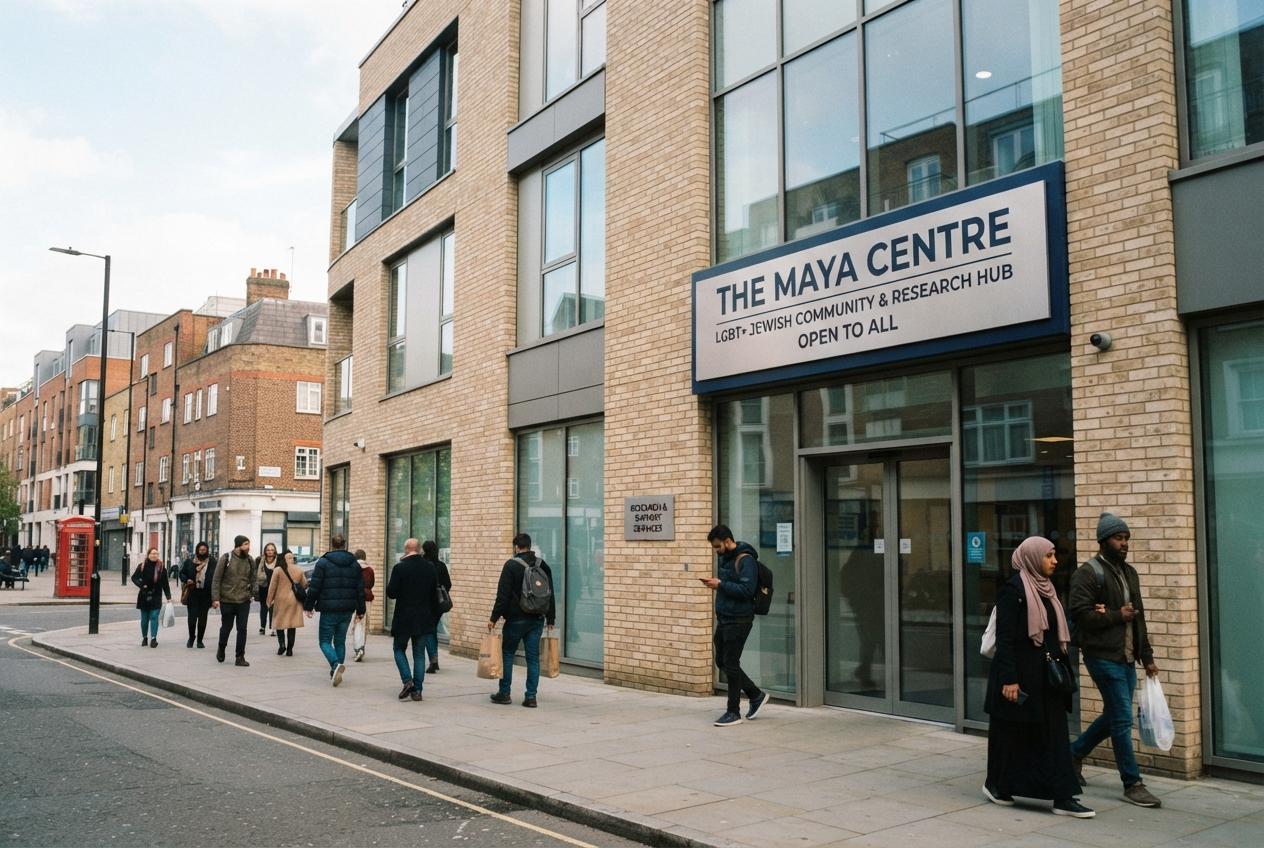
LGBT+ Jewish adults across the UK are being invited to share their experiences in Jewish and LGBT+ spaces, helping KeshetUK build a clearer picture of belonging, safety and representation. The 20-minute survey aims to inform future community work, with findings expected in 2027.
Essential Takeaways
- Nationwide focus: The survey is open to LGBT+ Jews aged 18 and over across the UK.
- Broad questions: It covers experiences in Jewish and LGBT+ spaces, safety, role models and community priorities.
- Inclusive scope: Responses are sought from different denominations, regions and age groups.
- Practical purpose: Findings are intended to support synagogues, schools, youth movements, charities and communal organisations.
- Support is available: KeshetUK has published guidance for anyone who finds the survey emotionally difficult.
A clearer picture of LGBT+ Jewish life
The strongest message behind KeshetUK's new survey is simple: community decisions need more than good intentions. They need a proper understanding of how LGBT+ Jews actually experience Jewish life, from synagogue services and schools to social events and communal organisations.
The survey asks participants to reflect on Jewish spaces as LGBT+ people, then considers the reverse experience: what it's like to be Jewish in LGBT+ environments. That two-way view matters, because identity rarely fits into one neat box. As the survey materials explain, experiences can differ sharply depending on age, location, denomination and personal circumstances.
KeshetUK says the project is designed to address a longstanding shortage of comprehensive UK-wide evidence. Its survey information encourages LGBT+ Jews aged 18 and over to take part, whether or not they regularly engage with organised Jewish life. (KeshetUK)
Safety and belonging are central questions
Among the most timely areas is how LGBT+ Jews' sense of safety has changed since 7 October. That question places personal experience alongside the wider pressures facing Jewish and LGBT+ communities, without assuming that everyone has felt events in the same way.
Participants are also asked about belonging, visibility and whether the UK Jewish community has enough LGBT+ role models. Those details could prove especially useful for organisations trying to move beyond occasional awareness campaigns towards everyday inclusion. KeshetUK's wider work has included projects focused on helping communities make LGBT+ inclusion more practical and consistent. (The Jewish Chronicle)
There is a quiet emotional weight to asking people to describe places where they should feel at home. Still, giving people a structured way to speak may be an important first step.
Why the research could shape community policy
The survey is intended to help synagogues, schools, youth movements, charities and other Jewish organisations make better-informed choices. That could mean improving staff training, reviewing policies, strengthening pastoral support or simply making sure LGBT+ Jews are visible in community planning rather than added as an afterthought.
KeshetUK has said the research should help replace assumptions with evidence. That's a useful distinction: a community may appear welcoming from the outside while still leaving some members unsure about language, leadership, family recognition or where to turn for support.
The organisation's previous inclusion work suggests that change often happens through practical conversations with communal bodies, rather than through one-off statements. The new findings could give those conversations a stronger UK-wide foundation. (The Jewish Chronicle)
Who should take part, and what to expect
The survey takes around 20 minutes and is available online. KeshetUK is seeking responses from LGBT+ Jews aged 18 and over, with the aim of reflecting the community's full diversity rather than hearing only from people already involved in LGBT+ Jewish organisations.
That means participation from different regions, Jewish backgrounds and generations will be important. If you're unsure whether your experience is relevant, that's precisely the point: the research isn't looking for one representative story. It's looking for a fuller pattern.
KeshetUK has also published frequently asked questions and support information for participants. Anyone who finds the subject matter upsetting should take a pause, seek support from someone they trust and use the guidance provided by the organisation. (KeshetUK)
Findings are due in 2027
The research has been funded by the Jewish LGBTQ+ Donor Network and an anonymous donor, with results expected to be published in 2027. That timetable gives KeshetUK time to gather responses, analyse differences across the community and turn personal accounts into useful recommendations.
The eventual value of the project will depend not only on the report itself, but on what organisations do with it. A survey can open the door, but inclusive practice is built in classrooms, boardrooms, youth groups and prayer spaces.
For many participants, taking part may feel like a small action. Collectively, though, those responses could help make LGBT+ Jewish experiences harder to overlook.
Explore the survey and support information if you'd like to take part or understand the project better.
Source Reference Map
Story idea inspired by: [1]
Sources by paragraph:
- Paragraph 1: [2], [3]
- Paragraph 2: [2], [3]
- Paragraph 3: [5], [6]
- Paragraph 4: [7], [5]
- Paragraph 5: [2], [3]
- Paragraph 6: [4], [5]
- Paragraph 7: [2], [3]
- Paragraph 8: [4], [6]
- Paragraph 9: [2], [3]
- Paragraph 10: [5], [6]
- Paragraph 11: [2], [4]
- Paragraph 12: [3], [4]
- Paragraph 13: [2], [3]
- Paragraph 14: [5], [7]
- Paragraph 15: [2], [3]
- Paragraph 16: [4], [5]
- Paragraph 17: [2], [3]
- Paragraph 18: [5], [6]
- Paragraph 19: [2], [3]
- Paragraph 20: [4], [7]