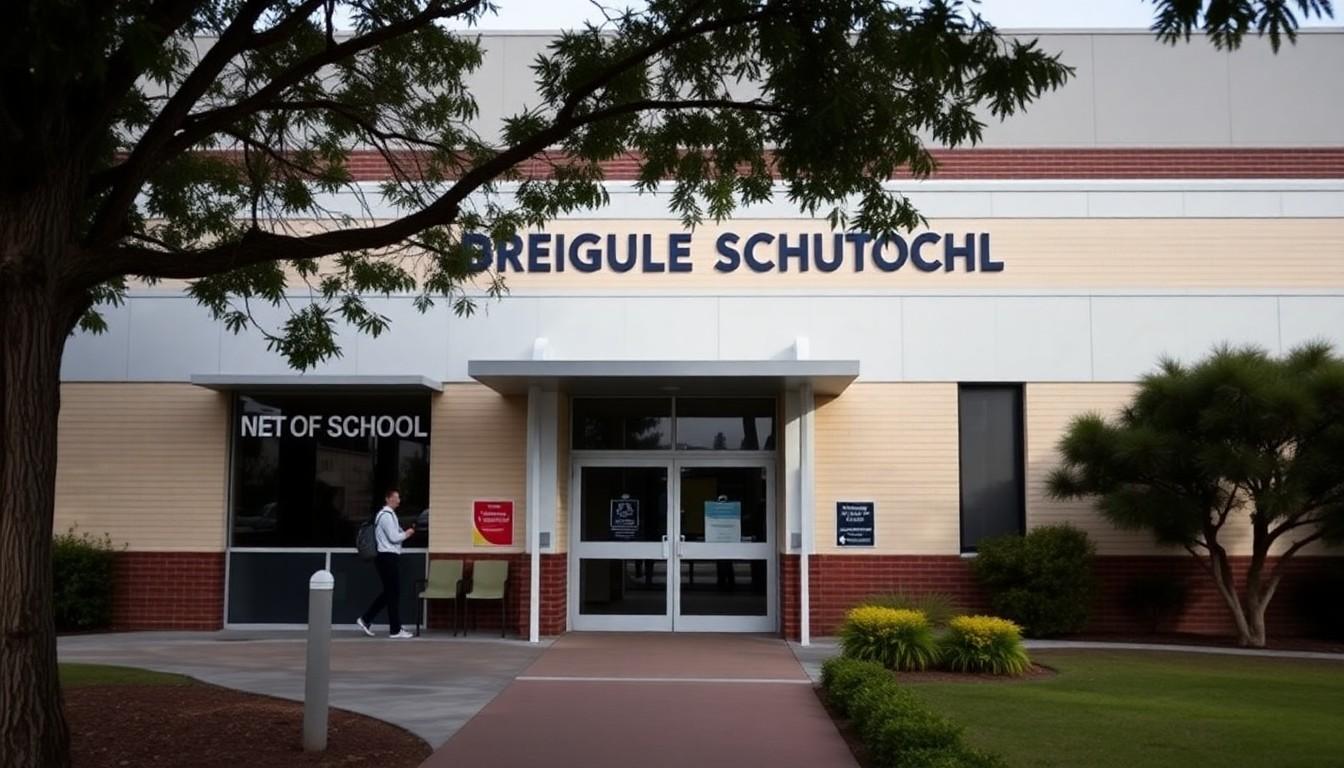
Campaigners are urging Australia’s federal government to support a new bill that would remove religious-school exemptions allowing discrimination against LGBTQ+ students and staff. The proposal, introduced by independent MP Allegra Spender, arrives after years of stalled promises and could reshape protections around education, employment and personal identity.
Essential Takeaways
- The proposal: Allegra Spender has introduced a bill seeking equal treatment in religious schools.
- Who it affects: LGBTQ+ students and staff, as well as people who are pregnant, divorced or in de facto relationships.
- Why now: Labor promised reform in 2022, but campaigners say legal protections still haven't changed.
- The human cost: Former students and teachers describe lost opportunities, secrecy and emotional distress.
- The wider debate: Supporters say religious freedom shouldn't include permission to discriminate.
A fresh push to close a long-standing loophole
The strongest detail in this debate is also the simplest: a student may still face worse treatment at a religious school because of who they are. Equality Australia says the proposed legislation would tackle those exemptions, which can currently cover sexuality, gender, pregnancy, marital status and relationship status.
The bill was introduced in the House of Representatives by independent MP Allegra Spender. According to Equality Australia, the Greens' support could create a parliamentary route for the reforms, although their passage would still depend on broader political backing.
For families, that means this isn't an abstract legal argument. It's about whether a teenager can take on a leadership role, whether a teacher can keep their job and whether a school community feels safe rather than quietly conditional.
Years of promises have raised the pressure
Labor committed in 2022 to remove the relevant discrimination loopholes, but campaigners say progress has stalled. That delay has given the issue an increasingly familiar shape: a promise made, a reform discussed and people left waiting while the law remains unchanged.
Earlier reports from Equality Australia described discrimination in faith-based schools and organisations as widespread rather than exceptional. Its national reporting has helped shift the conversation from isolated incidents to a broader question about how school policies and legal exemptions operate in practice.
That context matters because religious schools educate a large share of Australian children. When a legal gap applies across a substantial part of the education system, it can affect far more than a handful of disputes. It can influence hiring, discipline, student leadership and the everyday atmosphere in classrooms.
The stories behind the legal wording
James Elliot-Watson, a former student at a Christian school in Sydney, said he was denied a prefect role after coming out as gay. He also described being told not to share his sexuality and being referred to counselling intended to change it.
Dr Karen Pack, an ordained pastor and former teacher, has spoken about losing her position at a Baptist tertiary college after becoming engaged to her same-sex partner. Her account illustrates how the issue can reach beyond schoolchildren and into the working lives of teachers and other education staff.
These experiences put a human face on phrases such as "religious exemptions" and "employment protections". A policy may look technical on paper, but for the person affected it can mean a lost opportunity, a forced silence or the feeling that belonging comes with conditions.
Religious freedom versus equal treatment
Opponents of reform often frame the issue as a test of religious liberty. Supporters of the bill don't dispute the importance of faith communities being able to teach and practise their beliefs, but argue that this shouldn't require unequal treatment of students or employees.
The tension is especially sharp where institutions say they don't expel LGBTQ+ students while also arguing they need broad legal permission to discriminate. Equality Australia says those positions are difficult to reconcile, particularly when rules can still shape leadership opportunities, employment and the pressure placed on people to hide their identities.
Other Australian jurisdictions have already taken different approaches. The Queensland Human Rights Commission has noted that state law has prohibited discrimination against LGBTIQ+ students in Queensland schools for two decades, providing a useful comparison in the national debate.
What could change for schools and families?
If passed, the bill would be expected to narrow the circumstances in which religious schools could rely on federal exemptions to treat people differently. The practical details would matter, including how the rules apply to admissions, student discipline, leadership positions, staff hiring and workplace decisions.
Families considering a faith-based school should meanwhile read its enrolment, conduct and employment policies carefully, and ask direct questions about how it handles sexuality, gender identity, pregnancy and relationship status. Written policies are more useful than reassuring general statements, especially when legal protections vary between jurisdictions and institutions.
Schools also face a chance to get ahead of the law. Clear anti-discrimination procedures, confidential reporting channels and staff training can make a community feel safer now, rather than waiting for Parliament to settle the issue. No teenager should have to become a test case to find out whether a school means what it says about compassion.
The bill has reopened a debate Australia has been circling for years. The next question is whether political leaders turn public concern into enforceable protection, or allow another promise to drift.
It's a small legal change on paper, but a potentially life-changing one in the classroom.
Source Reference Map
Story idea inspired by: [1]
Sources by paragraph:
- Paragraph 1: [2], [3]
- Paragraph 2: [5], [6]
- Paragraph 3: [3], [4]
- Paragraph 4: [2], [4]
- Paragraph 5: [2], [4]
- Paragraph 6: [3], [4]
- Paragraph 7: [2], [4]
- Paragraph 8: [2], [4]
- Paragraph 9: [2], [6]
- Paragraph 10: [6], [7]
- Paragraph 11: [5], [6]
- Paragraph 12: [5], [7]
- Paragraph 13: [3], [4]
- Paragraph 14: [5], [6]
- Paragraph 15: [3], [4]
- Paragraph 16: [2], [7]
- Paragraph 17: [5], [6]
- Paragraph 18: [3], [4]
- Paragraph 19: [2], [5]