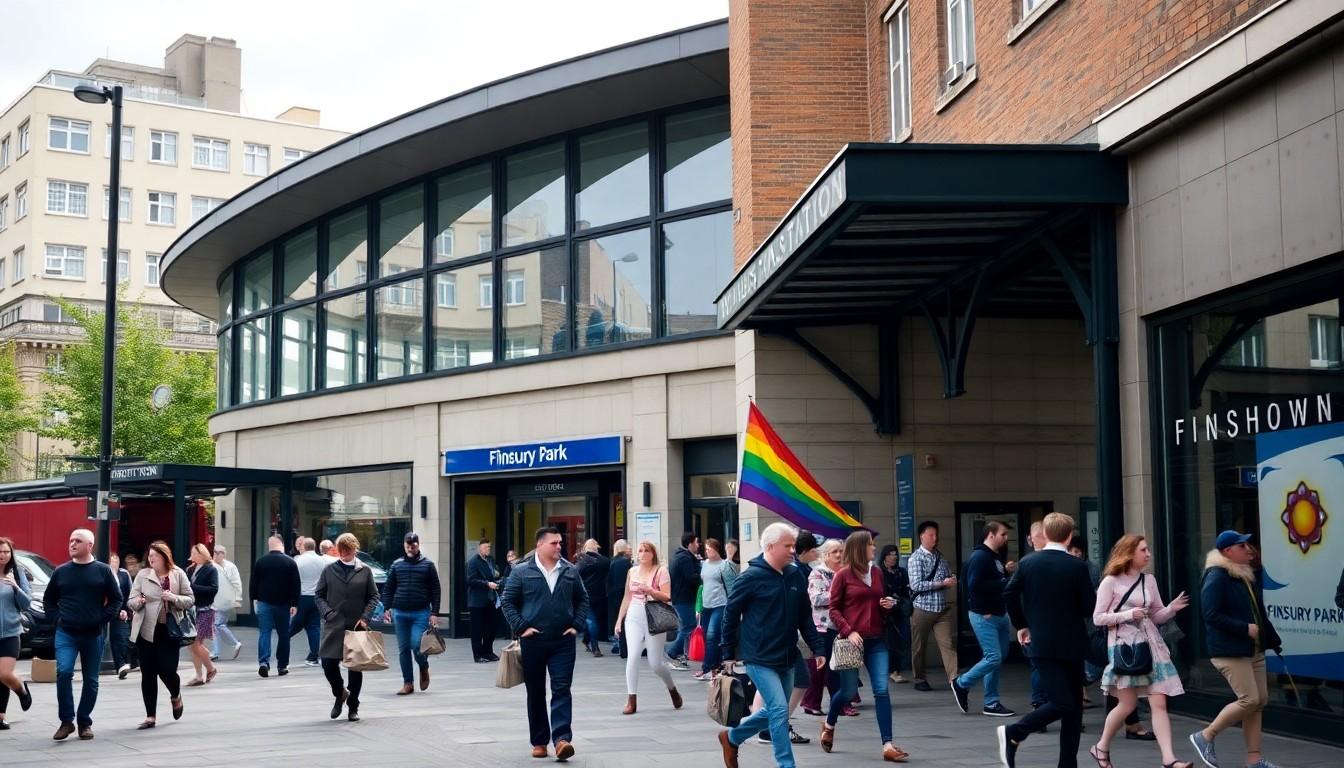
Residents in Haringey, Hackney and Islington are being invited to a joint hate crime awareness event outside Finsbury Park station, where officers and community groups will offer advice, support and reporting guidance. The gathering matters because it brings local help into a busy public space, while shining a light on disability and LGBTQIA+ hate crime.
Essential Takeaways
- Local event: Community safety teams will be outside Finsbury Park station from 3pm to 6pm on 15 October.
- Practical support: Residents can speak with officers, police partners and community organisations about concerns or reporting.
- Wider focus: Activities address disability hate crime, LGBTQIA+ hate crime, antisemitism and Islamophobia.
- Community role: Schools, faith leaders and grassroots groups are taking part across Haringey.
- Bystander action: Public awareness campaigns increasingly encourage people to challenge hate safely and support those affected.
Three boroughs, one clear message
A busy station forecourt might not sound like the setting for a serious conversation about prejudice, but that is precisely what makes the Finsbury Park event useful. Haringey, Hackney and Islington are bringing hate crime officers together in a place where residents can stop, ask questions and share concerns without needing to navigate a formal appointment. Local authority information from Hackney highlights the importance of community safety work and accessible support. [2], [5]
The event forms part of National Hate Crime Awareness Week and is designed to make reporting feel less daunting. Residents will be able to talk directly with council staff and police partners, hear about available help, and leave messages of solidarity. That face-to-face approach can make a difference, particularly for people who may feel uncertain about whether an incident is serious enough to report. [3], [7]
Why local reporting support matters
Hate crime can involve hostility linked to race, religion, disability, sexual orientation or transgender identity. It may appear as abuse, intimidation, harassment, threats or criminal damage, and it isn't always obvious where to begin after something happens. Guidance from Hackney Council shows how community safety services can act as a starting point for advice, prevention and onward support. [5]
The Finsbury Park session will also spotlight disability and LGBTQIA+ hate crime, with input from organisations working directly in those communities. That detail matters because people often trust specialist groups to understand the context behind an incident, rather than treating every report as a generic complaint. Community campaigns elsewhere in London have made a similar case for visibility, solidarity and practical action. [7]
Schools, faith groups and grassroots organisations join in
The programme extends beyond one afternoon. Haringey schools are planning assemblies and activities focused on inclusion and cohesion, while faith leaders are expected to visit schools during the week. Staff training will cover allyship, antisemitism and Islamophobia, giving professionals a chance to think about how prejudice can be recognised and challenged in everyday settings. [3], [7]
There are also sessions for adults working in the voluntary and community sector, including a workshop led by the Groundswell Project. A separate creative session at Hornsey Library adds a gentler route into the subject. Art can't solve hate crime on its own, of course, but it can help people find language for experiences that are often difficult to describe. [3], [4]
What to do if you witness or experience hate
If you're targeted, try to prioritise your immediate safety. Move towards a busy, well-lit place, ask someone nearby for help and note useful details such as the time, location, words used, descriptions and any witnesses, but only if it's safe to do so. Avoid confronting someone if doing that could increase the danger.
You can speak to the police, your council or a specialist community organisation, depending on what feels most appropriate. If you witness an incident, offering to stay with the person affected, helping them reach a safe place or checking whether they'd like support can be valuable. TfL's active bystander training also reflects a broader push to give Londoners practical ways to intervene without putting themselves or others at risk. [6]
A small event with a wider ambition
The boroughs' joint appearance sends a useful signal: tackling hate crime isn't only a matter for enforcement teams after an incident has happened. It also involves schools, local groups, faith communities, transport networks and residents who are prepared to notice what is happening around them.
That shared approach is especially important in neighbourhoods as diverse and busy as those around Finsbury Park. People shouldn't have to face abuse or intimidation alone, and a friendly conversation with a trained officer may be the first step towards getting help. The strongest message from the week is a simple one: safety becomes more credible when communities build it together. [2], [3], [6]
When local support is visible and approachable, reporting hate can feel like a shared act of protection.
Source Reference Map
Story idea inspired by: [1]
Sources by paragraph: