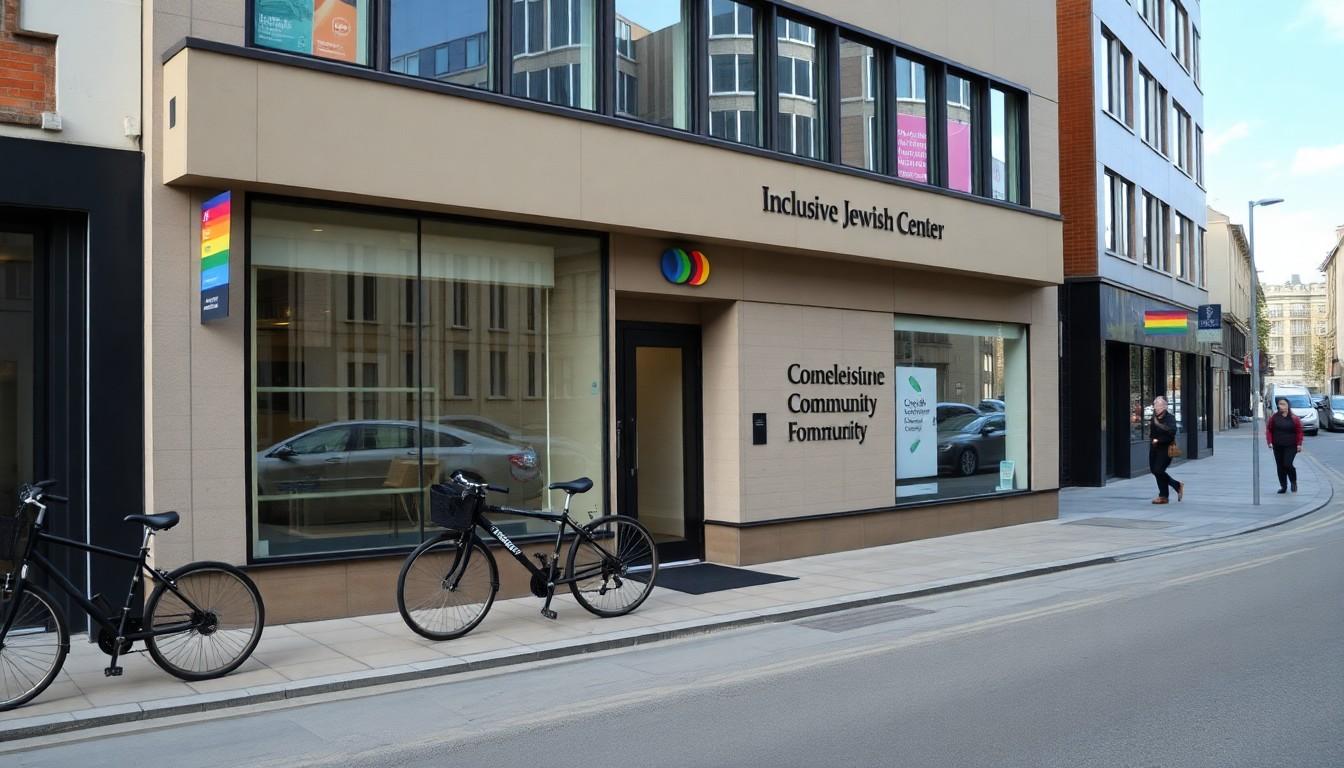
LGBT+ Jewish people across the UK are being invited to share their experiences in a new national survey, as community organisations examine whether synagogues, schools and social spaces are becoming genuinely more welcoming. The research comes as many people reassess where they feel safe, represented and able to bring their whole identity.
Essential Takeaways
- A national listening exercise: KeshetUK has launched what it describes as the UK’s first National Jewish LGBT+ Survey.
- Inclusion is widening: Synagogues, schools and youth groups are increasingly considering practical support for LGBT+ members.
- Belonging remains uneven: Some LGBT+ Jews still feel pressure to separate or conceal parts of their identity.
- The timing is significant: Experiences since 7 October have sharpened concerns about safety and acceptance in some LGBT+ spaces.
- Every response matters: The survey is open to LGBT+ Jews across the UK, whether they’re deeply involved in Jewish life or rarely attend.
A survey arrives at a revealing moment
For many LGBT+ Jews, belonging isn't a neat choice between two labels. It's more like carrying several vital threads at once, and hoping the room doesn't ask you to drop one at the door.
KeshetUK's new survey aims to replace assumptions with evidence. It asks about synagogue life, community participation, support networks and the ways LGBT+ Jewish people experience inclusion across the UK. The organisation's work focuses on helping Jewish institutions understand how policies, language and everyday culture can affect LGBT+ people and their families, according to KeshetUK.
That matters because progress can look impressive from the outside while still feeling patchy on the ground. A welcoming statement on a website is useful, but so is knowing whether someone feels comfortable bringing a partner to an event, discussing family life or asking for pastoral support.
Jewish organisations are changing, but the picture is mixed
KeshetUK has spent more than a decade providing education and training for Jewish communities. Its resources are aimed at helping organisations move beyond good intentions and build inclusion into ordinary communal life, from synagogue practices to school policies.
Synagogues are a particularly important part of that picture. KeshetUK's guidance encourages communities to consider how services, membership structures, family events and leadership can include LGBT+ Jews in visible, practical ways. Small details often carry surprising weight, whether that's the language used in a form or the assumptions made during a conversation.
Youth provision matters too. KeshetUK's work with youth groups reflects a wider recognition that young people need spaces where questions about identity aren't treated as awkward interruptions. A calm, informed response from an adult can make a lasting difference, especially when a teenager is still working out where they fit.
Why the wider LGBT+ climate matters
The survey also reflects a difficult shift in the atmosphere surrounding Jewish identity. Since 7 October, some LGBT+ Jews have reported feeling less comfortable expressing Jewishness in spaces where they previously expected solidarity, support or shared values.
That tension can leave people feeling stranded. If an LGBT+ space no longer feels safe, the Jewish community may become an even more important source of friendship and identity. But that only works if Jewish institutions are ready to welcome LGBT+ people fully, rather than offering belonging with conditions attached.
A 2024 US survey by Eshel and A Wider Bridge found widespread discomfort among LGBT+ Jews using online LGBT+ spaces. Those findings aren't a substitute for UK research, but they help explain why local evidence is urgently needed. The British experience may be different, yet it deserves to be measured rather than guessed at.
What should an inclusive community look like?
There isn't one magic policy that makes a synagogue inclusive. It tends to be a collection of everyday choices: respectful language, clear anti-discrimination procedures, visible representation, thoughtful family programming and leaders who know how to respond when problems arise.
KeshetUK's synagogue resources and annual review materials point towards a practical approach. Communities need to assess what they're doing, listen to members and revisit their work instead of treating inclusion as a one-off campaign. In other words, the warm welcome has to survive beyond the poster on the noticeboard.
For anyone choosing whether to complete the survey, the useful point is that participation doesn't require a particular level of religious involvement. Whether someone attends synagogue regularly, joins occasionally or has stepped away altogether, that experience can help show where Jewish life feels accessible and where it still creates barriers.
Listening is the next step
The survey could give Jewish organisations a clearer picture of what has improved over recent years and where people still feel overlooked. It may also reveal differences between generations, denominations, regions and levels of community involvement, all of which matter when designing useful support.
KeshetUK's broader work suggests that training and conversation can shift culture, but measurement gives those efforts direction. Without it, organisations risk celebrating visible progress while missing the quieter experiences of exclusion that rarely make it into public discussion.
Belonging should feel ordinary, not like a test someone has to pass. This survey is a chance for LGBT+ Jews to describe that reality in their own words and help shape what comes next.
It's a small act of listening with the potential to make Jewish life feel more complete for everyone.
Source Reference Map
Story idea inspired by: [1]
Sources by paragraph: