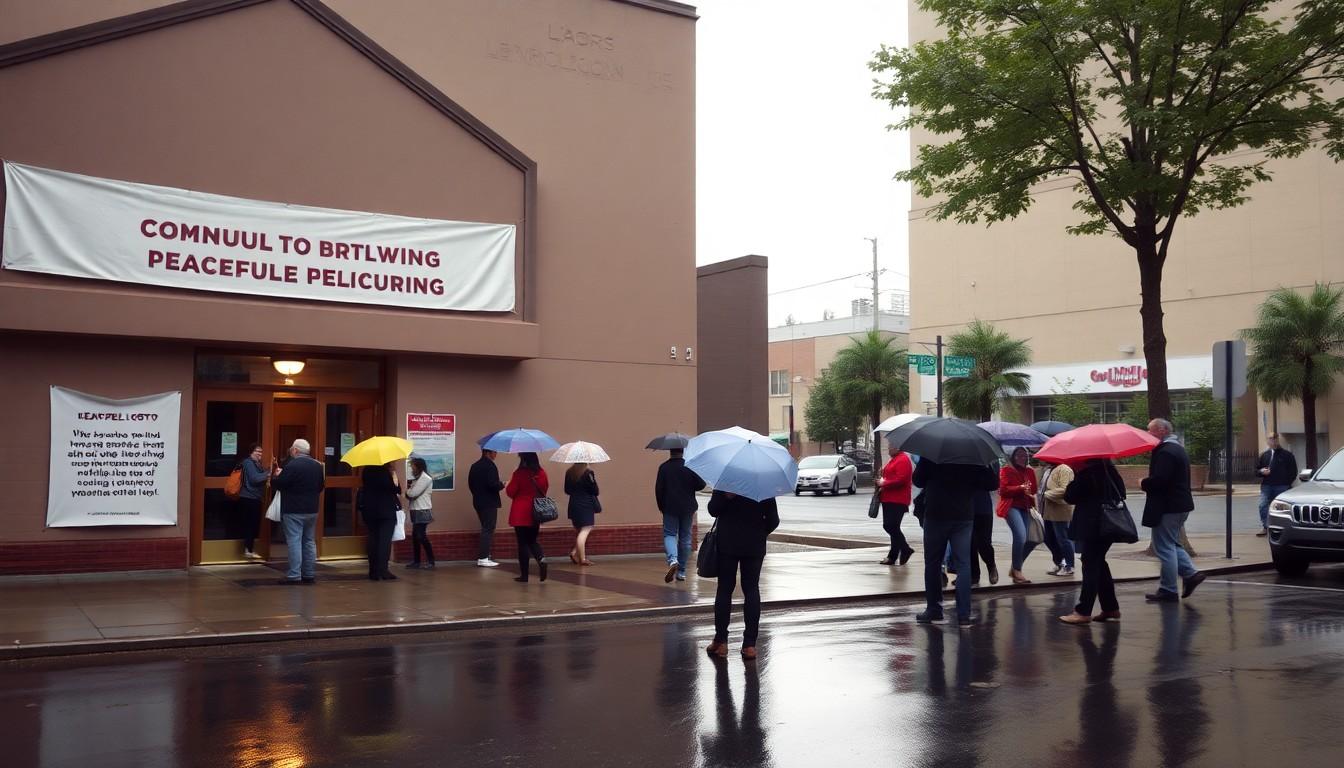
Rain may have thinned the crowds at Philadelphia’s OURfest, but the 2026 LGBTQ+ festival still offered a meaningful test of community safety and police relations. Held across the Gayborhood, the event used a more layered security approach after June’s tensions, giving organisers, visitors and officers a calmer setting to assess what’s improving.
Essential Takeaways
- Rain changed the mood: Persistent showers kept attendance lower and shifted some activities indoors.
- Police stayed less visible: Attendees reported a quieter, less confrontational law-enforcement presence.
- Security was tiered: Volunteers, festival staff and private security were intended to handle concerns before police became involved.
- No major incidents were reported: Philadelphia police said there were no disturbances, arrests, citations or use-of-force incidents linked to the festival.
- The bigger test continues: Organisers see the event as progress, but not proof that every tension has disappeared.
A wet festival became an important test
The rain arrived with the sort of determination that can empty a pavement in minutes. Even so, LGBTQ+ Philadelphians, performers, vendors and local businesses continued with OURfest, turning the 2026 celebration into a smaller but quietly significant gathering.
The event followed a difficult summer, when clashes between police and Pride attendees prompted criticism and a Philadelphia City Council hearing. That meant this wasn't simply another date in the festival calendar. It was also an early opportunity to see whether conversations about crowd control, visibility and accountability had changed anything on the ground.
According to Visit Philadelphia, OURfest remains part of the city's wider LGBTQ+ events programme, bringing community activities and entertainment to the Gayborhood. The wet weather, however, gave the day a more subdued feel than organisers had hoped. [6]
Visitors noticed a softer police presence
For some people who had attended June's Pride celebrations, the most noticeable difference was what they didn't see. Police appeared to keep a lower profile, while the atmosphere felt less tense and more manageable.
Sai Houseman, who helped at the Philly Pride Visitor Center's tables during both events, said officers seemed to be further in the background at OURfest. They hadn't witnessed the earlier confrontations personally, but felt Sunday's interactions appeared calmer.
Bryan Hagelin, who had seen the June clashes, was encouraged that people returned despite the rain and the controversy. His observation captured the day's understated resilience: the festival might not have had its usual party energy, but the community still made the effort to turn up.
The organisers' public information emphasises OURfest as a space for celebration, visibility and connection, rather than simply another street party. That distinction mattered this year, when attendance itself became a small act of confidence. [2]
Why the security plan looked different
Philly Pride 365 used a layered approach for OURfest. Festival volunteers, staff and private security were expected to be the first people attendees approached, with police involvement reserved for situations requiring escalation.
That model aims to keep officers available for genuine safety risks without making them the immediate face of every disagreement. It's a subtle change, but at a community event where trust has been strained, subtle changes can be highly visible.
The city issued advance information about road closures, parking restrictions and event arrangements, showing how much planning sits behind a festival that can look spontaneous from the pavement. Coordinating streets, crowds, vendors and emergency access is hardly glamorous work, but it can shape whether visitors feel relaxed or watched. [5]
Organisers said police remained part of the plan partly because of the possibility of outside agitators or more serious incidents. The intention was not to remove public safety support, but to make it less intrusive and more proportionate.
A quiet day does not settle every question
Philadelphia police reported no significant incidents connected with OURfest. The department said there were no reported disturbances, arrests, citations or use-of-force incidents, while also acknowledging that the lack of large crowds and persistent rain probably helped keep the day calm.
That caveat matters. A rainy Sunday with limited attendance is not the same test as a bright, packed Pride celebration. Fewer people means fewer pressures on streets, entrances, security teams and police officers, so the results offer encouragement rather than a final verdict.
The department said planning involved repeated discussions with Pride 365 leadership and event organisers. Its LGBTQIA+ community services work also reflects the broader need for communication between officers and local communities, particularly at large public gatherings. [7]
In other words, OURfest showed that a different approach can work under relatively gentle conditions. The next challenge is proving it can hold up when the streets are full, the music is loud and everyone is tired.
What organisers and visitors take forward
Philly Pride 365 described the event as a step forward, while acknowledging that the relationship between police and the LGBTQ+ community isn't suddenly fixed. That measured response feels more credible than declaring victory after one quiet, rain-soaked afternoon.
Some activities moved indoors, while others continued outside, and the people who stayed helped preserve the festival's purpose. Event listings from local community organisations present OURfest as a gathering built around shared participation, which explains why vendors and performers continuing despite the weather mattered so much. [3]
The broader picture is familiar to many Pride organisers: safety needs to be visible, but policing doesn't always need to dominate the scene. Community-led support, clear escalation routes and early communication can make a festival feel both protected and welcoming.
For visitors considering future Philadelphia Pride events, the practical lesson is simple. Check travel and road information before setting out, dress for changeable weather, and look for clearly marked festival staff or volunteer points if you need help. A sleek plan on paper is useful, but a friendly person who knows where to direct you is often what makes the difference. [4]
OURfest didn't resolve every concern, but it offered a promising first look at what calmer, more community-centred safety might feel like.
It's a small step, but one worth watching.
Source Reference Map
Story idea inspired by: [1]
Sources by paragraph: