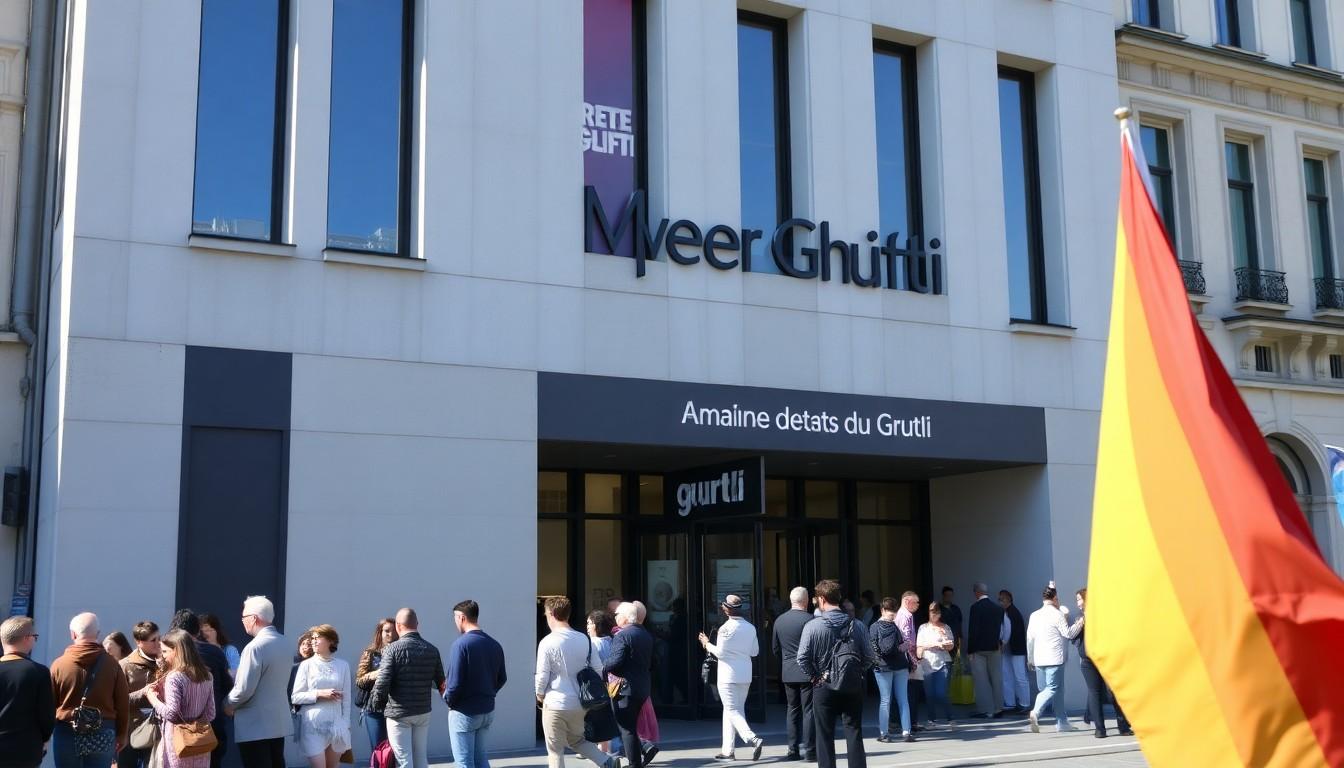
Organisers are bringing Hunky Jesus to Geneva's Everybody's Perfect festival in October 2026, alongside drag performances, films and parties exploring queer identity and pop culture. The event has already prompted sharp criticism from Catholic commentators, while festival material presents it as a playful, provocative celebration of freedom and self-expression.
Essential Takeaways
- Geneva screening: Hunky Jesus is listed for the Everybody's Perfect festival, running from 9 to 18 October 2026.
- Central performers: The Sisters of Perpetual Indulgence feature in the programme and are associated with the event's ceremonial performance.
- Wider programme: Films explore transgender history, lesbian cinema, women's sport and queer romance.
- Cultural fault line: Supporters describe the work as camp, satire and liberation, while critics see deliberate mockery of Christian symbols.
- Practical context: Festival listings should be checked nearer the date for venue, timing and ticket information.
A provocative film arrives in Geneva
The sharpest point of Hunky Jesus isn't its title alone. It's the way the film places religious imagery, drag performance and queer nightlife in the same brightly lit frame, where the result is likely to feel funny, confrontational or deeply uncomfortable, depending on the viewer's perspective.
The film follows the San Francisco-based Sisters of Perpetual Indulgence, a long-running activist and performance group whose members use flamboyant nun costumes, parody and public events to campaign around LGBTQ+ causes. The Guardian described the work as a lively portrait of the group, while ScreenDaily highlighted its raucous, performance-led energy.
At Everybody's Perfect, the screening sits within a festival that treats queer cinema as both entertainment and cultural conversation. Its Geneva listing places Hunky Jesus among events built around identity, celebration and freedom.
Why the Sisters of Perpetual Indulgence remain so divisive
The Sisters' visual language is deliberately recognisable. Veils, habits, halos and blessing rituals are borrowed from Catholic tradition, then transformed through drag, camp humour and political activism. For supporters, that collision exposes hypocrisy and creates a memorable form of protest; for opponents, it crosses from satire into sacrilege.
That disagreement isn't new, but it has become more visible as religious symbols appear in major cultural events, Pride programmes and nightlife promotions. A report from Perspective Catholique framed the Geneva appearance as another example of what it regards as anti-Christian provocation, while the Boston Sisters' own account presents the performance tradition from a far more sympathetic angle.
In other words, the dispute isn't simply about a film. It's about who gets to reinterpret inherited symbols, and whether that reinterpretation counts as artistic freedom or contempt.
What else is on the Everybody's Perfect programme?
Hunky Jesus is only one part of the Geneva festival. The programme also includes Blue Boy Trial, which draws on a historic transgender case in Japan, and Pioneras, focused on Spain's early women's football history.
Other selections widen the lens further. Barbara Forever pays tribute to lesbian filmmaker Barbara Hammer, while On sera heureux combines political thriller elements with a queer love story. The agenda also includes a country music event with workshops and a San Francisco-inspired party, according to the festival listing.
That mix gives the event a distinctly broad personality. It's not just a conventional film season, but a blend of screenings, performance, music and social gatherings, which helps explain both its appeal to audiences and its ability to irritate critics.
How the film has been received
Early reviews suggest that viewers shouldn't approach Hunky Jesus expecting a quiet documentary. The Guardian's review emphasised its energetic, unruly character, while ScreenDaily called attention to the Sisters' flamboyant public presence and the film's celebratory tone.
The Boston Sisters' report on the London screening similarly treats the work as an occasion for visibility and community. Those responses contrast sharply with the criticism from Catholic outlets, which argues that the film and its surrounding performance culture turn sacred imagery into a joke.
That split may be part of the film's commercial and cultural appeal. Controversy can bring attention, but it can also narrow the conversation, leaving audiences arguing about provocation before they have considered the people and history being documented.
What Geneva audiences should expect
Anyone attending should expect a lively, adult-oriented event rather than a conventional religious film. The programme's language points towards drag, cabaret, political themes and deliberately extravagant presentation, so the atmosphere is likely to be colourful, noisy and unapologetically theatrical.
Check the official Everybody's Perfect listing before making plans, particularly for screening times, ticket availability and any age guidance. Festival schedules can change, and individual events may have different arrangements from the main programme.
For viewers approaching the film from a faith perspective, it may be worth deciding in advance whether the interest lies in cultural analysis, documentary storytelling or witnessing a performance style they strongly oppose. For everyone else, the main question is simpler: can satire challenge a tradition without reducing it to a prop?
The Geneva screening won't settle that argument. It will, however, put the disagreement centre stage.
It's a small festival listing with a very large cultural fault line behind it.
Source Reference Map
Story idea inspired by: [1]
Sources by paragraph:
- Paragraph 1: [2], [3]
- Paragraph 2: [4], [5]
- Paragraph 3: [2], [6]
- Paragraph 4: [6], [7]
- Paragraph 5: [3], [4]
- Paragraph 6: [5], [6]
- Paragraph 7: [2], [7]
- Paragraph 8: [2], [3]
- Paragraph 9: [3], [4]
- Paragraph 10: [5], [6]
- Paragraph 11: [2], [7]
- Paragraph 12: [3], [4]
- Paragraph 13: [2], [7]
- Paragraph 14: [2], [5]
- Paragraph 15: [3], [6]
- Paragraph 16: [2], [7]