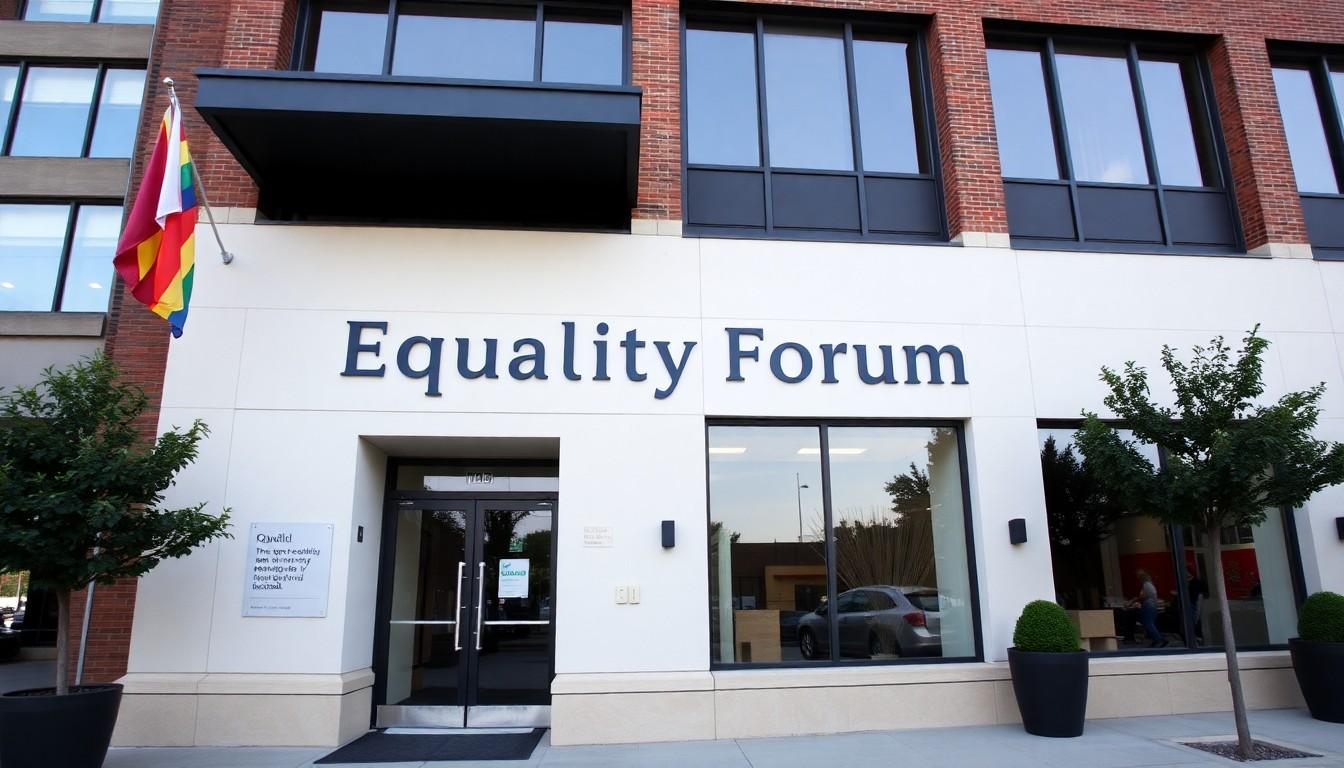
Readers exploring LGBTQ+ history this autumn can discover a remarkable online archive of more than 650 icons, from writers and artists to activists, scientists and political trailblazers. Created by Equality Forum in Philadelphia, the project turns a month-long observance into an inviting, searchable gateway to stories that still shape queer life today.
Essential Takeaways
- A growing archive: The project now features 651 LGBTQ+ history makers, with biographies, images and videos.
- Two decades of recognition: Equality Forum launched the Icons Project in 2006 with 31 honourees.
- Easy to explore: Visitors can search by name, year, profession, location, country, religion and ethnicity.
- A broad legacy: The collection spans entertainers, academics, activists, politicians, athletes and community organisers.
- Nominations remain open: The public can suggest future honourees through Equality Forum's annual process.
A modest first list became a living archive
The original 2006 class already looked formidable. It included figures such as James Baldwin, Ellen DeGeneres, Barbara Gittings, Keith Haring, Elton John, Harvey Milk, Martina Navratilova, Sylvia Rivera, Alan Turing and Oscar Wilde.
Yet Malcolm Lazin, Equality Forum's executive director and the project's founder, recalled that some people wondered whether the organisation had already honoured all the most obvious names. Two decades later, the expanding archive has delivered a cheerful rebuttal. According to LGBTQ Nation, the project has now recognised 651 people, showing just how much queer history remains to be surfaced and shared.
That scale matters. A list of 31 famous names can open a door, but a collection of hundreds gives visitors room to find someone who feels closer to home, whether that's a local organiser, a pioneering scholar or an artist whose work changed the cultural weather.
Why the search tool makes history feel personal
The archive isn't simply a long roll call. Equality Forum's search system lets visitors browse by year, name and a broad set of tags, including profession, state, country, religion and ethnicity. That makes the experience less like studying a plaque and more like following a trail of clues.
A visitor interested in African American LGBTQ+ history, for instance, can encounter figures including Josephine Baker, Bayard Rustin, Audre Lorde, Marsha P. Johnson, RuPaul, Billy Porter, Wanda Sykes and Lil Nas X. The mix of generations and fields is part of the appeal. It places cultural stars alongside organisers, educators and activists whose work may be less familiar but no less consequential.
The result is a resource that rewards curiosity. You might arrive looking for one name and leave with a dozen tabs open, which is arguably the best kind of online history lesson.
From Philadelphia Pride to a global resource
The project's roots reach back to PrideFest Philadelphia, founded in 1993. The organisation grew quickly, later became PrideFest America and adopted the name Equality Forum in 2003. The LGBTQ+ History Month Icons Project followed in 2006, giving the group a lasting way to connect celebration with education.
Equality Forum describes itself as a national and international LGBTQ+ civil rights organisation, and its wider work helps explain why the Icons Project has become more than an annual feature. It sits within a broader programme of advocacy, community-building and historical education, according to the organisation's own background materials.
That context is useful because recognition doesn't happen in a vacuum. The people featured in the archive often worked across several worlds at once, combining art with activism, scholarship with organising, or public visibility with quiet institution-building.
What makes the archive useful in classrooms and communities
LGBTQ+ History Month resources are increasingly used by schools, libraries, universities and community groups looking for accessible ways to teach inclusive history. The American Association of School Librarians highlights LGBTQ+ History Month as an opportunity to connect young people with LGBTQ+ voices and experiences, while the Worcester Polytechnic Institute has also marked the occasion through campus programming.
The Icons Project fits neatly into that need. Its short biographies and visual material offer an approachable starting point for a lesson, discussion or personal reading list. Teachers and librarians can select a theme, compare figures from different eras, or ask students to investigate how activism has changed over time.
It also helps correct a familiar problem: history can become too tidy. A searchable archive makes it easier to show that progress came through many kinds of work, not just landmark court cases or nationally famous speeches.
Who should be recognised next?
Equality Forum invites the public to nominate people whose contributions haven't yet received wider recognition. The nomination process is designed to be quick, and the organisation's annual call gives communities a chance to put forward names from places and fields that might otherwise be overlooked.
That invitation is important because no archive is ever finished. New voices emerge, older stories are rediscovered and communities continue to debate who belongs in the public record. As LGBTQ+ History Month resources from organisations such as LGBT History Month emphasise, remembrance is an active practice, not simply a date on the calendar.
For readers, the simplest next step is to browse the collection with an open mind, then nominate someone whose work deserves a brighter spotlight. History is richer when the search goes beyond the names everyone already knows.
It's a small online visit with the potential to become a much bigger lesson.
Source Reference Map
Story idea inspired by: [1]
Sources by paragraph: