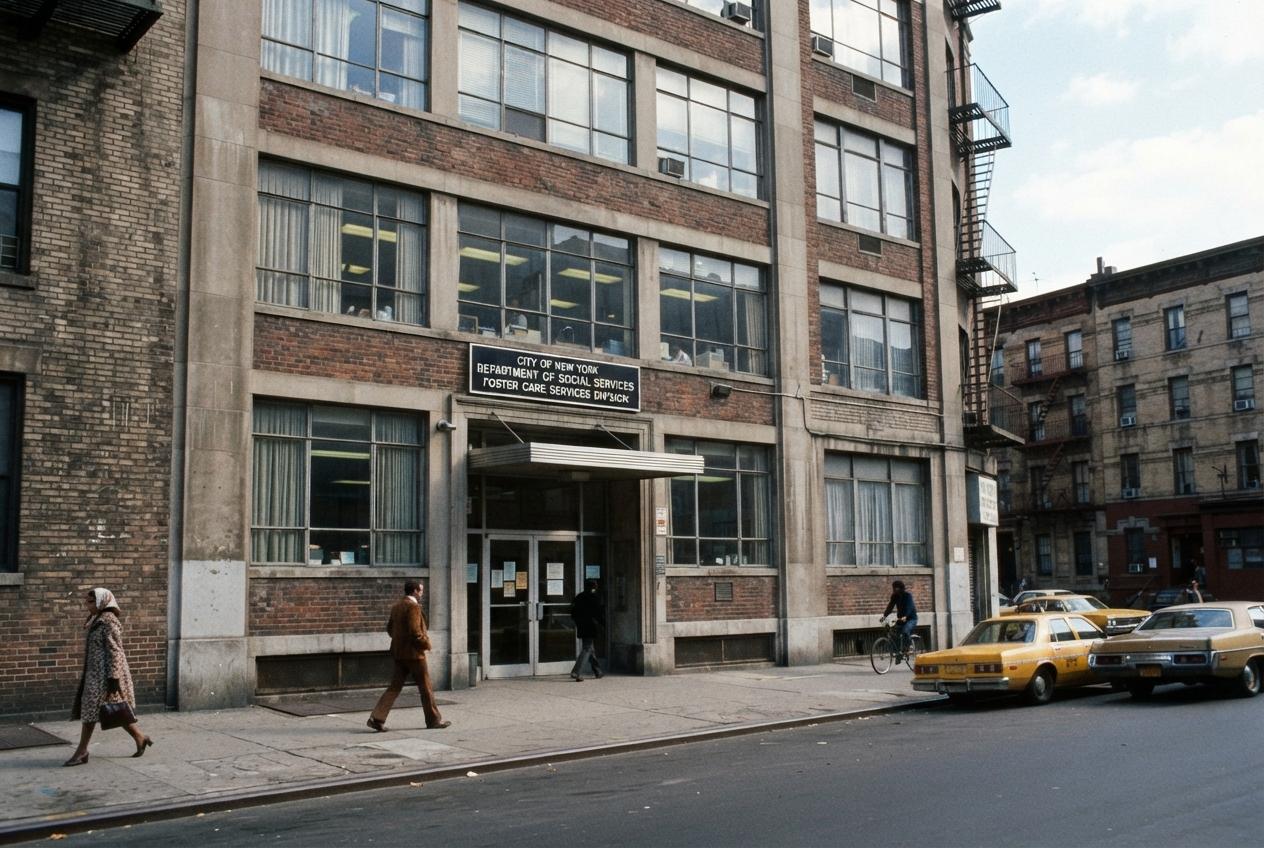
Readers are revisiting the little-known history of queer foster families, from 1970s social workers who matched LGBTQ young people with supportive adults to today’s renewed battles over religious exemptions. The story matters because it shows how quiet, practical acts of care helped make LGBTQ parenting more visible, credible and possible.
Essential Takeaways
- Quiet change came first: Some social workers placed queer young people with queer foster parents despite discriminatory laws and policies.
- The 1970s laid groundwork: Those early placements helped challenge the assumption that LGBTQ people couldn’t provide safe, loving homes.
- New York marked a milestone: The state adopted nondiscrimination protections for LGB adoptive parents in 1982.
- The debate is still live: Religious exemptions continue to shape access to fostering and adoption in parts of the United States.
- LGBTQ families are established families: Decades of research have found no basis for claims that a parent’s sexual orientation harms children.
The foster placements that quietly challenged the rules
The most striking part of this history is how ordinary it could look. A social worker found a suitable home, an adult agreed to foster, and a young person gained somewhere safer to sleep. Beneath that practical exchange, though, sat a direct challenge to laws and institutions that treated queer adults as unfit parents.
Michael Waters documented these largely uncoordinated efforts in The New Yorker, describing social workers who matched LGBTQ young people with queer foster parents during the 1970s. Some acted alone, while others worked alongside the National Gay Task Force. Either way, the placements created state-supported queer families at a time when official recognition was almost unthinkable.
The New Yorker’s account makes clear that progress didn't always arrive through a landmark speech or a dramatic courtroom victory. Sometimes it began with one professional deciding that a queer adult was the right person to care for a queer child.
Why queer foster families mattered so much
These arrangements challenged a familiar prejudice: that LGBTQ people could be compassionate friends or activists, but not dependable parents. Placing queer young people with queer adults exposed the absurdity of that distinction, particularly when the children already identified as gay or lesbian.
A later discussion featuring Waters, historian Marie-Amélie George and activist foster parent Karen Hagberg explored an important change in thinking. Matching queer teenagers with queer foster parents may initially have seemed less threatening to officials who feared children would somehow be influenced into becoming LGBTQ. The more radical step was allowing LGBTQ adults to foster young children whose identities had not yet been defined.
That shift reflected growing social-science evidence that a parent’s sexual orientation doesn't determine a child’s future orientation. It also helped move LGBTQ parenting away from the narrow question of whether queer adults could raise queer children, and towards the broader truth that they could raise children, full stop.
From hidden placements to recognised families
By 1982, New York became the first state to introduce a policy protecting LGB adoptive parents from discrimination. That milestone didn't appear out of nowhere. Earlier foster placements had already forced social-services agencies to acknowledge, in practice, that queer adults could parent successfully.
The history of LGBTQ families also includes lesbian mothers fighting custody battles, single women and two-woman couples forming families through pregnancy, and the wider “gayby boom” that gathered pace during the 1980s. These stories are sometimes told separately, but together they show a community building family life through persistence, improvisation and plenty of paperwork.
Research has since reinforced what those early families knew from experience. The Williams Institute reports that same-sex couples are significantly more likely than different-sex couples to be raising an adopted or foster child. The numbers aren't merely a footnote; they show how central fostering and adoption have become to LGBTQ family life.
The legal argument has changed, but the pressure remains
The fight hasn't ended with greater visibility. In Fulton v. City of Philadelphia, the US Supreme Court ruled in favour of a faith-based foster-care agency that refused to work with same-sex couples. The decision was narrow, but it still left LGBTQ families facing a patchwork of rules depending on where they live.
Current debates over publicly funded services have brought the question back into view. As the American Civil Liberties Union has noted in state-level policy discussions, religious exemptions in adoption and foster care can determine whether LGBTQ adults are considered at all. That matters especially when public money supports agencies that may turn families away.
The consequences reach children, too. The Woodhull Freedom Foundation has highlighted the vulnerability of LGBTQIA+ young people in foster care, while state-level reporting, including coverage of proposed legislation in Iowa, shows that protections remain politically contested. A child who needs stability shouldn't have their chances narrowed by an agency's view of what a family ought to look like.
What prospective foster parents should take from this history
For LGBTQ adults considering fostering, the practical picture can vary sharply by state, agency and contract. Start by checking whether the agency has explicit protections for sexual orientation and gender identity, then ask how it handles placements, complaints and support for LGBTQ young people.
It’s also worth asking about training. An inclusive agency should understand chosen family, identity development, trauma and the particular needs of queer and trans children, rather than treating LGBTQ awareness as a cheerful paragraph in a general handbook.
For everyone else, this history offers a useful correction to the idea that LGBTQ families are new or experimental. They have been caring for children through hostile systems for generations. The difference today is that more of that work is visible, documented and defended.
The quiet acts still matter. A welcoming social worker, a patient foster parent and a child finally placed somewhere they can breathe can change far more than one household.
It's a small, steady form of radicalism, and it continues to make families possible.
Source Reference Map
Story idea inspired by: [1]
Sources by paragraph:
- Paragraph 1: [2], [7]
- Paragraph 2: [2], [7]
- Paragraph 3: [2], [7]
- Paragraph 4: [3], [6]
- Paragraph 5: [2], [7]
- Paragraph 6: [2], [3]
- Paragraph 7: [2], [3]
- Paragraph 8: [3], [7]
- Paragraph 9: [4], [6]
- Paragraph 10: [4], [5]
- Paragraph 11: [6], [5]
- Paragraph 12: [4], [6]
- Paragraph 13: [5], [6]
- Paragraph 14: [4], [5]
- Paragraph 15: [3], [6]
- Paragraph 16: [2], [7]