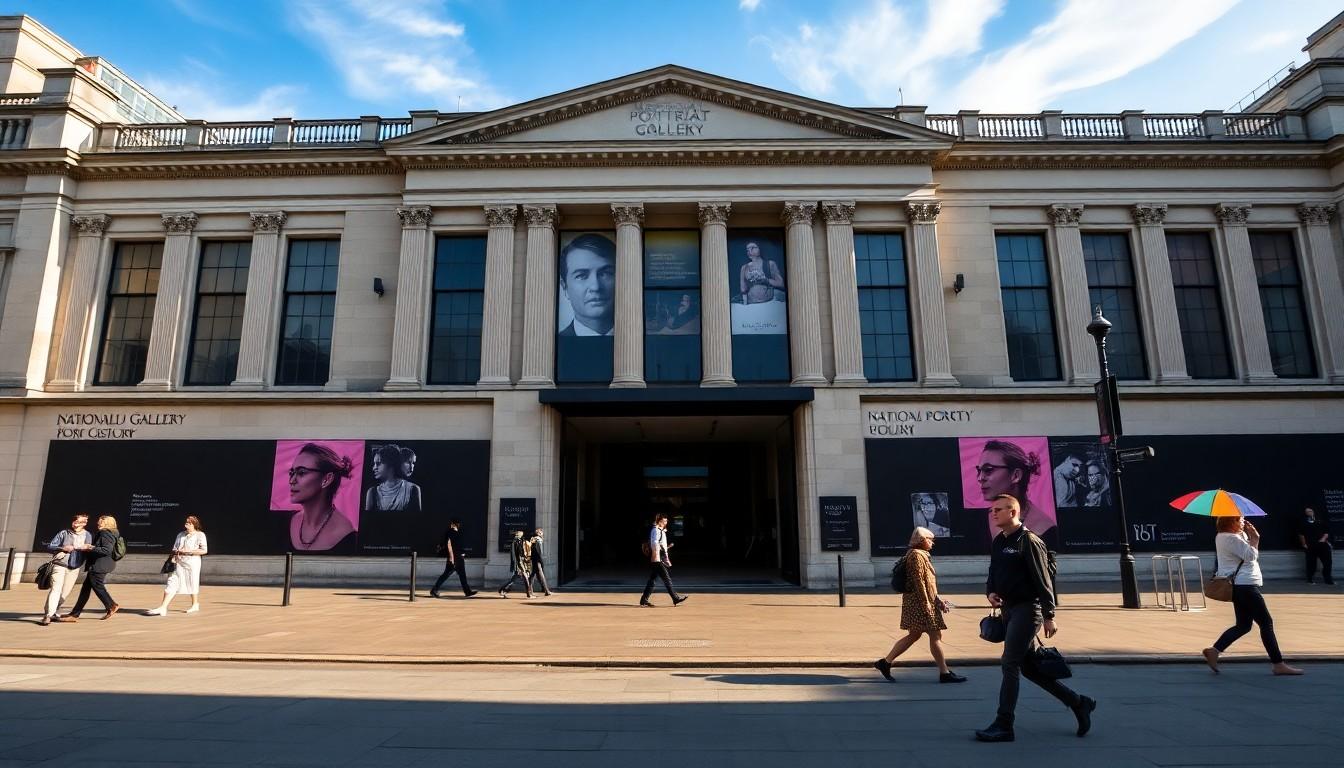
Visitors are stepping into Tim Walker's Fairyland at London's National Portrait Gallery, where flamboyant portraits, theatrical sets and queer history meet. Running until 7 February 2027, the exhibition turns more than 50 years of activism, friendship and self-expression into a colourful, surprisingly tender day out.
Essential takeaways
- A major new exhibition: Tim Walker's Fairyland: Love and Legends brings together roughly 250 portraits.
- A broad cast: Famous sitters appear alongside activists, carers, artists and community figures.
- History with spectacle: The show links queer liberation, the HIV/AIDS crisis and creative resistance.
- A theatrical setting: Beehive hair, floral displays, boudoirs and dramatic rooms make the gallery feel almost dreamlike.
- Ticket prices vary: Standard admission is £25, concessions cost £22.50, and National Art Pass holders pay £12.50.
A fairy tale with a political heartbeat
The first impression is pure Tim Walker: huge hair, elaborate styling and scenes that seem to have wandered in from a particularly glamorous dream. Yet beneath the visual sparkle sits a carefully assembled record of queer lives, struggles and solidarities, according to Ian Visits.
That balance gives the exhibition its character. It doesn't lecture from a distance, but it doesn't hide its politics either. Instead, portraiture becomes a way to show how identity, joy and protest have often shared the same room.
The National Portrait Gallery exhibition covers decades of change, moving between well-known cultural figures and people whose contributions may be less familiar. That mix matters, because the story isn't only about celebrity visibility. It's also about the organisers, carers and community builders who helped make later freedoms possible.
From liberation campaigners to a queer aristocracy
Early rooms focus on figures connected with the Gay Liberation Front and the people behind Stonewall. Walker presents some of them with the grandeur of historic portraiture, playfully recasting campaigners as an alternative aristocracy.
It's a clever move. Traditional portraits often preserve power, wealth and status, while these images redirect that visual language towards people who challenged the rules. The result is grand without losing its wit.
Visitors may find the labels especially rewarding here. They explain why each person has been included, encouraging a closer look at lives that might otherwise be overshadowed by the more instantly recognisable names.
Music, care and the shadow of HIV/AIDS
The exhibition then turns towards the HIV/AIDS crisis, bringing healthcare workers into conversation with musicians including Marc Almond, Holly Johnson and Jimmy Somerville. The pairing captures two kinds of survival: the practical work of caring and the emotional relief found in music.
That section gives the show a quieter weight. Songs could offer release, connection and defiance, while medical workers and campaigners faced fear, stigma and political neglect. Placing these stories together makes the period feel lived rather than neatly historical.
A darker room devoted to the Rebel Dykes changes the mood again. The shift is useful, because the exhibition isn't trying to smooth queer history into one polished, celebratory surface.
Expect camp, nudity and plenty of visual mischief
Walker is best known for fashion photography with a taste for fantasy, and the later galleries lean fully into that instinct. There are theatrical poses, surreal props and scenes that feel deliberately over the top, including a naked Harry Styles on a wooden fence and David Hockney partly disappearing into cigarette smoke.
The gallery design joins the performance. Flowers hold photographs against the walls, while other spaces evoke a Victorian boudoir, complete with nudity and a sense of deliberately naughty theatricality. It's camp, but never merely decorative.
Some visitors will arrive for the celebrities and stay for the stranger, more intimate images. That's probably the show's quiet triumph: it uses glamour as the invitation, then asks you to look beyond the famous faces.
How to plan a visit to Tim Walker's Fairyland
Tim Walker's Fairyland: Love and Legends is at the National Portrait Gallery until 7 February 2027. Peak-rate standard tickets cost £25, with concessions at £22.50, National Art Pass admission at £12.50, children aged 12 to 18 at £5, and under-12s entering free, according to Ian Visits.
Allow plenty of time if you want to read the labels and absorb the variety of rooms. With around 250 portraits, this isn't a quick wander around a handful of star names. A slower visit will reveal the connections between activism, performance, care and creative freedom.
It may be especially rewarding for visitors who enjoy exhibitions that are both visually extravagant and historically grounded. Bring curiosity, and perhaps a little patience: your favourite image might not feature the most famous person in the room.
It's a dazzling, thoughtful reminder that self-expression can be both celebration and resistance.
Source Reference Map
Story idea inspired by: [1]
Sources by paragraph:
- Paragraph 1: ,
- Paragraph 2: ,
- Paragraph 3: ,
- Paragraph 4: ,
- Paragraph 5: ,
- Paragraph 6: ,
- Paragraph 7: ,
- Paragraph 8: ,
- Paragraph 9: ,
- Paragraph 10: ,
- Paragraph 11: ,
- Paragraph 12: ,