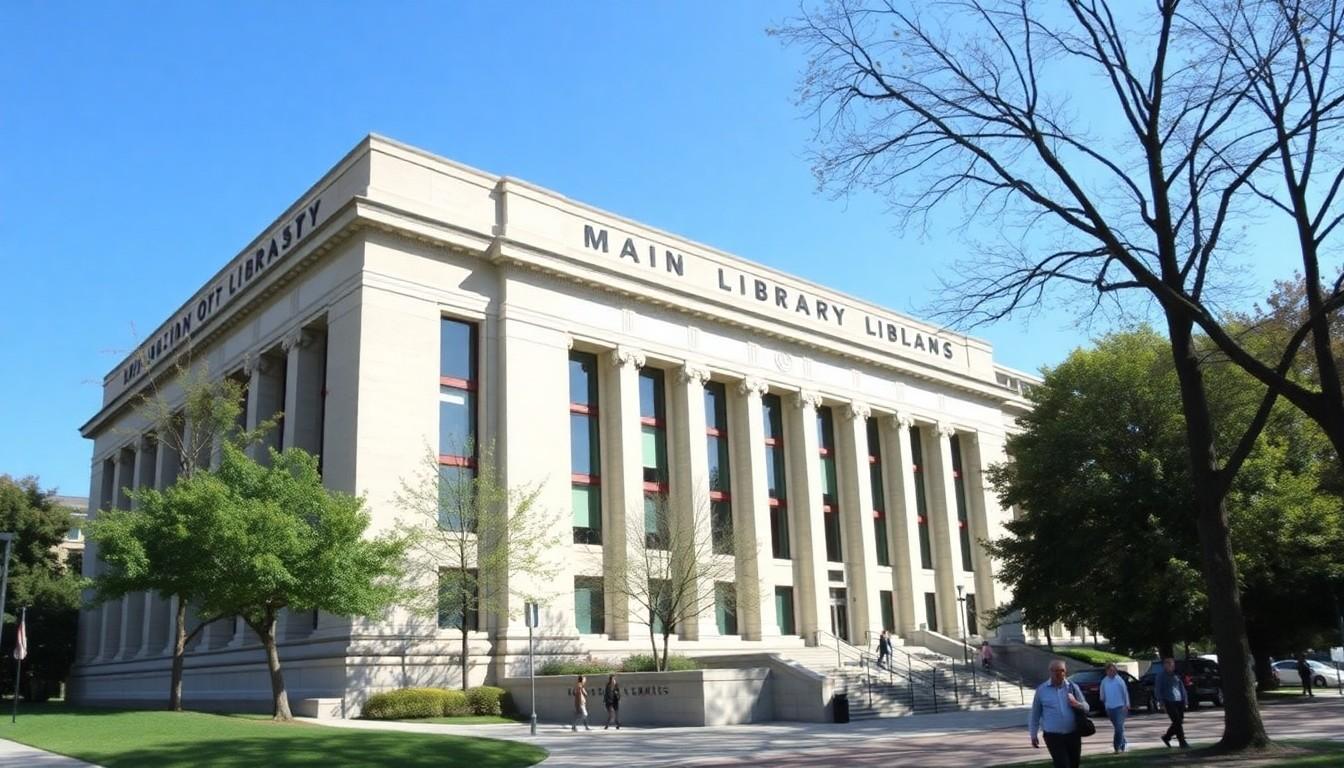
Visitors to the University of Illinois are being invited to explore a rich LGBTQ+ history exhibit this October, bringing together decades of student activism, community organising and cultural memory. The display matters because it turns easily overlooked archives into a vivid, shared story for today’s students, alumni and local visitors.
Essential Takeaways
- A month-long display: The exhibit runs throughout October as part of LGBTQ+ History Month.
- A broad collection: Flyers, press cuttings, books and other artefacts trace LGBTQ+ life at the University from the 1970s to the present.
- Community-funded scholarship: The Lambda Literature Library Endowment helped support books and research connected with the display.
- More than a static exhibition: A companion webinar offers additional context, followed by participation in the CU Pride Fest parade.
- A personal milestone: Alumni organisers see the project as a way to connect today’s community with earlier generations.
A quiet library display with plenty to say
At the bottom of the Main Library’s grand staircase, display cases now offer an unexpectedly powerful welcome. Inside are decades of LGBTQ+ material, from early flyers and newspaper reports to books and memorabilia linked with student organisations and campus support services.
The collection was assembled by Ellen Swain, the Student Life and Culture archivist, using material from the Gender & Sexuality Resource Center and Gay Illini archives. According to the University of Illinois Library, its wider events programme reflects the continuing value of making campus history accessible beyond specialist researchers.
There’s something especially affecting about seeing activism in physical form. A leaflet that once passed from hand to hand can look fragile behind glass, yet it carries the energy of the people who made it.
Why the exhibition reaches back more than 50 years
The display is designed to show that LGBTQ+ life at Illinois didn’t begin with today’s language, services or visibility. Its earlier material records the gradual creation of communities, resources and institutions that many students now rely on almost casually.
The Gender & Sexuality Resource Center’s LGBTQ+ History Month programme places that local story within a wider calendar of education and remembrance. That context matters, particularly for students who may know current campus organisations but not the long effort behind them.
The archive also has a practical role. Swain told The Daily Illini that students already use these materials in coursework, suggesting the exhibit isn’t simply decorative. It’s a working resource, with the feel of a treasure box that happens to sit in a public space.
The fund behind the books on display
The Lambda Literature Library Endowment was established in 1989 by Larry Cohen and others to support research and scholarship across areas including literature, medicine and gender studies. Some of the books funded through that work appear in the exhibition, giving visitors a direct link between long-term philanthropy and the resources available today.
That connection is easy to miss when browsing a library shelf. Yet it shows how alumni support can shape academic life over decades, quietly building a collection that outlasts any single event or graduating class.
The Pan Alumni Network’s work offers a similar bridge between past and present. Its alumni network promotes continuing connections among former Illinois students, while the new Illinois Pride Alumni Network has given LGBTQ+ alumni a more focused way to gather, organise and support the University community.
An exhibit that becomes a conversation
The exhibition is only one part of the programme. I-PAN and the Main Library have also arranged a webinar exploring selected objects and offering a broader overview of LGBTQ+ history at Illinois, following the University’s event listings and LGBTQ+ History Month calendar.
That extra discussion is important because archives can be tantalisingly quiet. A photograph or flyer may show what happened, but a conversation can explain who created it, what risks they faced and why it mattered at the time.
The programme continues with I-PAN members joining the CU Pride Fest parade. Events listed through the University’s calendars show how the month links research, alumni activity and public celebration rather than keeping them in separate corners.
From being closeted to marching openly
For I-PAN president Rev. Jason Carson-Wilson, the programme carries a personal significance. He has described spending his undergraduate years at Illinois closeted, making the chance to march in his hometown parade with a community connected to the University especially meaningful.
That contrast gives the exhibition its emotional centre. It isn’t only about looking backwards; it’s about recognising how different the experience of belonging can become when people create visible support around one another.
The organisers’ hope is measured rather than triumphalist. Progress has been real, but equality is still unfinished. Even so, the stories in these cases show that today’s opportunities were built by people who kept turning up, publishing, organising and saving the evidence.
It’s a small exhibition with a remarkably long memory.
Source Reference Map
Story idea inspired by: [1]
Sources by paragraph:
- Paragraph 1: [5], [7]
- Paragraph 2: [4], [5]
- Paragraph 3: [4], [5]
- Paragraph 4: [3], [4]
- Paragraph 5: [5], [6]
- Paragraph 6: [2], [3]
- Paragraph 7: [3], [4]
- Paragraph 8: [4], [5]
- Paragraph 9: [5], [7]
- Paragraph 10: [6], [7]
- Paragraph 11: [2], [3]
- Paragraph 12: [5], [6]
- Paragraph 13: [2], [3]
- Paragraph 14: [6], [7]
- Paragraph 15: [2], [3]
- Paragraph 16: [4], [5]
- Paragraph 17: [2], [3]