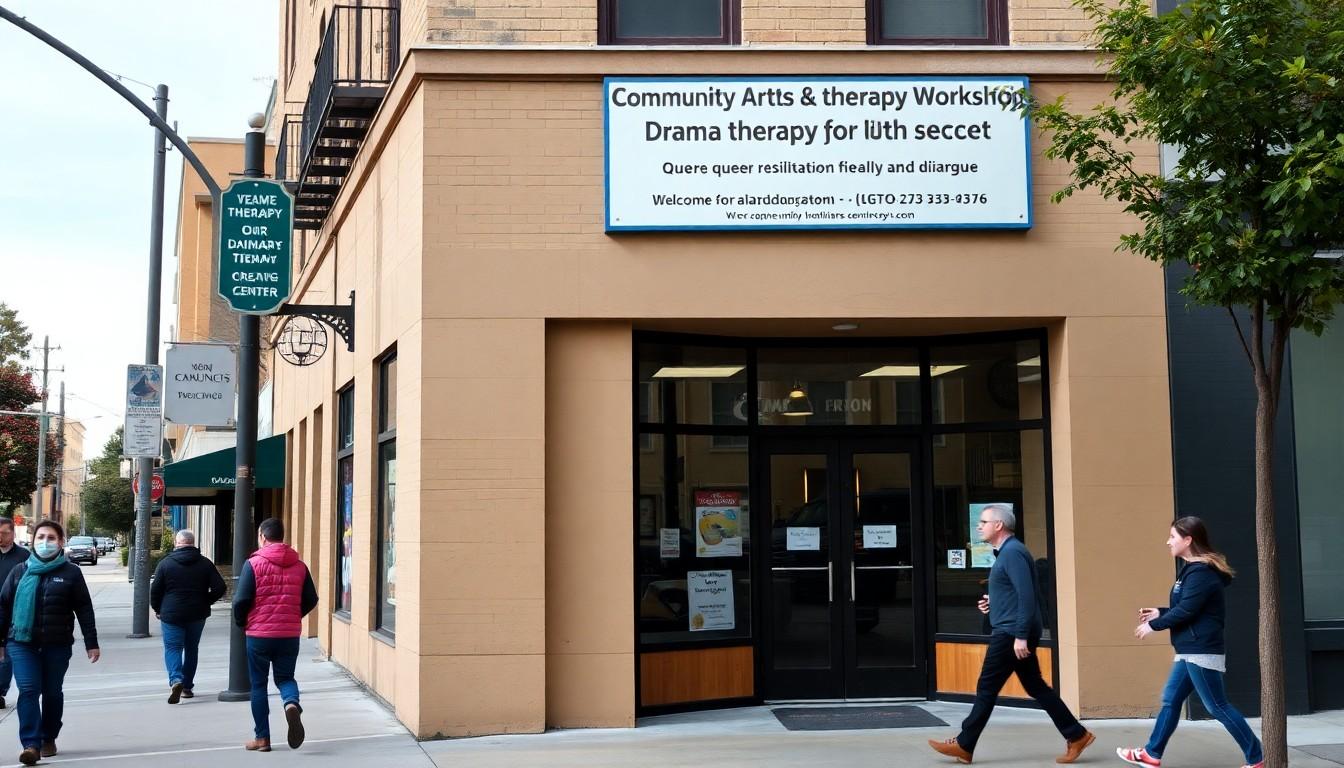
Viewers can stream River of Life LGBTQ+ on National Coming Out Day, as Grace Walcott’s documentary brings an Oakland drama therapy group into focus. The film explores internalised queerphobia, intergenerational connection and the enduring strength of LGBTQ+ community, offering an intimate portrait of people learning to support one another.
Essential Takeaways
- A personal documentary: Grace Walcott directs and leads the drama therapy work featured in the film.
- Ten weeks of trust: Participants met weekly for three-hour sessions, sharing difficult experiences in a filmed setting.
- Intergenerational focus: Younger and older LGBTQ+ people explored identity, history and community together.
- A living process: The film presents coming out as something that can happen repeatedly throughout life.
- Streaming release: River of Life LGBTQ+ is set to arrive on YouTube and other major platforms on National Coming Out Day.
A film built around difficult conversations
The most powerful element of River of Life LGBTQ+ is its willingness to sit with discomfort. Rather than treating identity as a neat journey from secrecy to confidence, the documentary looks at the quieter damage caused when people absorb society's prejudice and begin directing it inwards or at one another. According to the film's official materials, that emotional unpacking is central to its purpose. [2], [3]
Walcott's Oakland-based group offered a structured space for participants to explore those feelings through drama therapy. Over ten weekly meetings, people from different generations, racial backgrounds and points across the LGBTQ+ spectrum were invited to speak honestly, listen carefully and test out new ways of understanding themselves. [4], [6]
That makes the film feel less like a conventional talking-head documentary and more like a record of a shared experience. There are no easy fixes here, but there is the relief of seeing private fears treated as something worthy of attention rather than embarrassment.
Why intergenerational queer stories matter
A key thread running through the project is the relationship between queer elders and younger participants. The group was designed to bring experience and curiosity into the same room, creating space for conversations about what has changed, what remains painfully familiar and what younger people may not have been taught about LGBTQ+ history. [4], [6]
The film also looks back to the AIDS crisis and earlier political campaigns against queer rights. Those memories aren't included simply as historical decoration. They help show how humour, creativity and solidarity have repeatedly been used as survival tools, particularly when public hostility has been loud and organised. [4], [5]
For viewers who know those histories intimately, the film may feel like recognition. For others, especially people encountering them for the first time, it offers a reminder that community strength didn't appear overnight. It was built by people who kept showing up for each other.
Coming out doesn't happen just once
River of Life LGBTQ+ also pushes back against the idea that coming out is a single milestone. In real life, people may find themselves explaining or reconsidering their identity in new workplaces, friendships, relationships and family settings. Each situation can carry its own calculation, even for someone who has been open for decades. [2], [4]
That broader view feels especially relevant while LGBTQ+ people continue to face political pressure and public scrutiny. The documentary's message isn't that everyone must disclose more about themselves. Instead, it celebrates the courage involved in owning an identity, whether that happens privately, publicly or in small steps over time. [3], [4]
There's a human warmth to that idea. Coming out can be exhausting, but it can also become a recurring act of self-definition, shaped by circumstance and supported by the people around you.
Drama therapy turns vulnerability into connection
Drama therapy gives the documentary a practical foundation. Participants aren't only asked to describe their experiences; they're encouraged to use creative exercises and group interaction to examine emotions that can be difficult to explain in ordinary conversation. That approach can make a room feel both exposed and surprisingly playful. [2], [6]
The value of the method lies in its shared nature. One person's story can open a door for somebody else, while listening becomes an active form of care rather than a passive response. The official project information presents the workshop as a place to explore self-acceptance, identity and connection in a group setting. [2], [3]
For anyone searching for documentaries about LGBTQ+ identity and community resilience, that combination of art and testimony makes River of Life LGBTQ+ stand out. It isn't trying to flatten difference; it's interested in what happens when difference is allowed to remain in the room.
Where to watch River of Life LGBTQ+
River of Life LGBTQ+ is scheduled for release on 11 October, National Coming Out Day. It will be available to stream on YouTube and other major platforms, with further information provided through the film's official website. [2], [3], [5]
The timing is deliberate. By arriving on a day associated with LGBTQ+ visibility, the film honours both people who are still finding their way towards openness and those who have spent years navigating what visibility means in practice. [4], [6]
Its outlook is ultimately hopeful, but not glossy. Walcott's film suggests that resilience is rarely a solo performance. More often, it's something people build together, one honest conversation at a time.
It's a thoughtful reminder that queer history lives not only in archives, but in the care people offer one another now.
Source Reference Map
Story idea inspired by: [1]
Sources by paragraph: