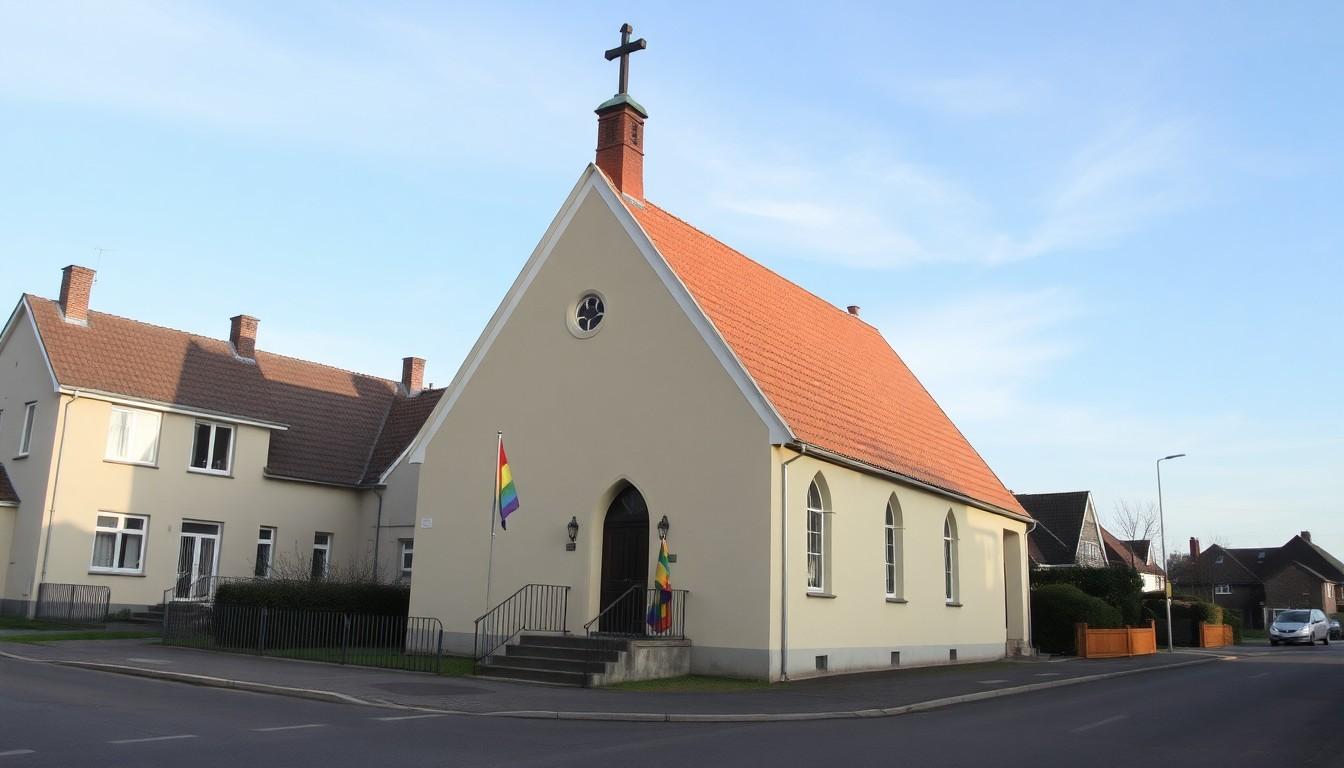
Residents in Oldebroek, the Netherlands, raised hundreds of rainbow flags in support of LGBTQ+ inclusion, only to see several disappear within hours. The reported thefts and damage have sharpened an already heated local debate, while organisers say the response has made the community more determined, not less.
Essential Takeaways
- Hundreds joined in: Around 379 rainbow flags had been requested for homes across Oldebroek.
- Flags vanished quickly: At least seven were reportedly removed, with some incidents involving damaged poles or fittings.
- A church flag was targeted: A large rainbow flag raised at the Kruiskerk in Wezep was gone by Saturday evening.
- Organisers urged police reports: Supporters were encouraged to document the incidents and report them formally.
- The campaign continues: A replacement flag was put up the following morning, signalling that the initiative hasn't been quietly abandoned.
A joyful display turned sour after dark
What began as a bright, public show of solidarity took a sharply darker turn later the same day. Rainbow flags had been raised at homes and community locations around Oldebroek, bringing a splash of colour to a campaign intended to support LGBTQ+ residents.
According to local reports, several flags were then taken or damaged. In one case, a flagpole and its bracket were reportedly pulled from a wall, while another account described a pole being dragged down by a vehicle. The details have prompted understandable concern because this went beyond simply removing a piece of fabric.
The scale of the response had initially been encouraging. Local resident Kjeld Mooi made flags available free of charge after Oldebroek's municipal leadership decided it would no longer display the rainbow flag itself. Reports from regional outlets put the number requested at 379.
Why the rainbow flag matters in Oldebroek
The rainbow flag is more than seasonal decoration. It has become a widely recognised sign of acceptance, visibility and equal treatment, particularly for lesbian, gay, bisexual, transgender and queer people.
That symbolism helps explain why the dispute has become so personal. Supporters see the flags as a reassuring presence for neighbours who may already feel marginalised, while opponents have argued that the Dutch national flag should be the only flag displayed. Local reporting has also recorded hostile online reactions, adding a worrying edge to the disagreement.
Still, disagreement over a symbol doesn't make intimidation acceptable. Removing a flag from private property, damaging a fixture or entering someone's land carries a very different weight from expressing an opinion online or at a public meeting.
At least seven flags were reportedly removed
The Kruiskerk in Wezep confirmed that its large rainbow flag, raised during the daytime, had disappeared by Saturday evening. Mooi also said he had received reports from residents at five other addresses, while subsequent regional coverage referred to at least seven missing flags.
One especially troubling report involved the flagpole of an elderly resident. Mooi described the alleged incident as cowardly and encouraged those affected to make formal complaints to the police, so authorities can establish what happened rather than relying on scattered accounts.
The response has also shown how quickly a symbolic gesture can become a practical safety issue. For homeowners, it may be sensible to photograph a flag and its mounting before leaving it outside, keep records of any damage and avoid confronting suspected offenders directly. A quiet camera, neighbourly vigilance and a police report are safer tools than a late-night argument.
Replacing the flags sends a clear message
By Sunday morning, a replacement flag had been hung at the church. That small act carried more emotional weight than its size might suggest: the missing flag had not ended the campaign.
Mooi's message was equally direct. In comments reported by regional media, he argued that taking down a flag doesn't remove the people or values it represents. That is the heart of the dispute, and perhaps the reason the campaign has continued to attract support despite the setbacks.
There is also a practical lesson here. Public symbols can be easy to remove, but the conversations behind them are harder to erase. In Oldebroek, every replacement flag appears to be turning a short-lived act of vandalism into a longer discussion about belonging, safety and who gets to feel visible in their own neighbourhood.
What happens next?
The immediate priority is likely to be establishing how many flags were taken, whether the incidents are connected and whether anyone can identify those responsible. Reports from Dutch regional media suggest the incidents have continued to draw attention beyond the original day of action.
For residents taking part, the choice is personal. Some may want to display a flag prominently, while others may prefer a window sticker, a small indoor banner or a conversation with neighbours. Support doesn't have to look identical, and nobody should feel pressured to put themselves at risk.
Yet the renewed flag outside the church makes one thing clear. The campaign has not disappeared with the stolen flags, and its supporters aren't treating intimidation as the final word.
A missing flag can be replaced, but the community conversation it sparked is much harder to take down.
Source Reference Map
Story idea inspired by: [1]
Sources by paragraph:
- Paragraph 1: [2], [3]
- Paragraph 2: [4], [6]
- Paragraph 3: [3], [7]
- Paragraph 4: [2], [4]
- Paragraph 5: [3], [6]
- Paragraph 6: [5], [7]
- Paragraph 7: [3], [5]
- Paragraph 8: [4], [6]
- Paragraph 9: [2], [5]
- Paragraph 10: [3], [7]
- Paragraph 11: [4], [5]
- Paragraph 12: [2], [6]
- Paragraph 13: [3], [7]
- Paragraph 14: [4], [5]
- Paragraph 15: [2], [6]
- Paragraph 16: [3], [5]
- Paragraph 17: [4], [7]
- Paragraph 18: [2], [3]