Readers are turning to Queering the Map for a surprisingly intimate reason: it shows that queer life isn't confined to famous cities. By placing anonymous memories across the world, the interactive project offers recognition, comfort and a sense of belonging to people who may have grown up feeling isolated, especially in smaller towns and rural communities.
A pink map with a powerful message
Open Queering the Map and the world quickly becomes more than roads, borders and coastlines. It becomes a patchwork of private memories, with anonymous contributions pinned to places where queer people have experienced love, fear, discovery, friendship or simply a fleeting sense of being seen.
The project, created by Canadian non-binary artist Lucas LaRochelle, invites users to add these memories to an interactive map. Its appeal is partly visual, but the real pull is emotional: a familiar street or quiet town can suddenly feel connected to a much larger story. Queering the Map's own platform explains the project and hosts its global archive. [2]
That can matter enormously for anyone who grew up before online communities were easy to find. A map may seem like a simple digital tool, yet it can quietly challenge the old assumption that queer lives belong somewhere else.
Why rural queer stories matter
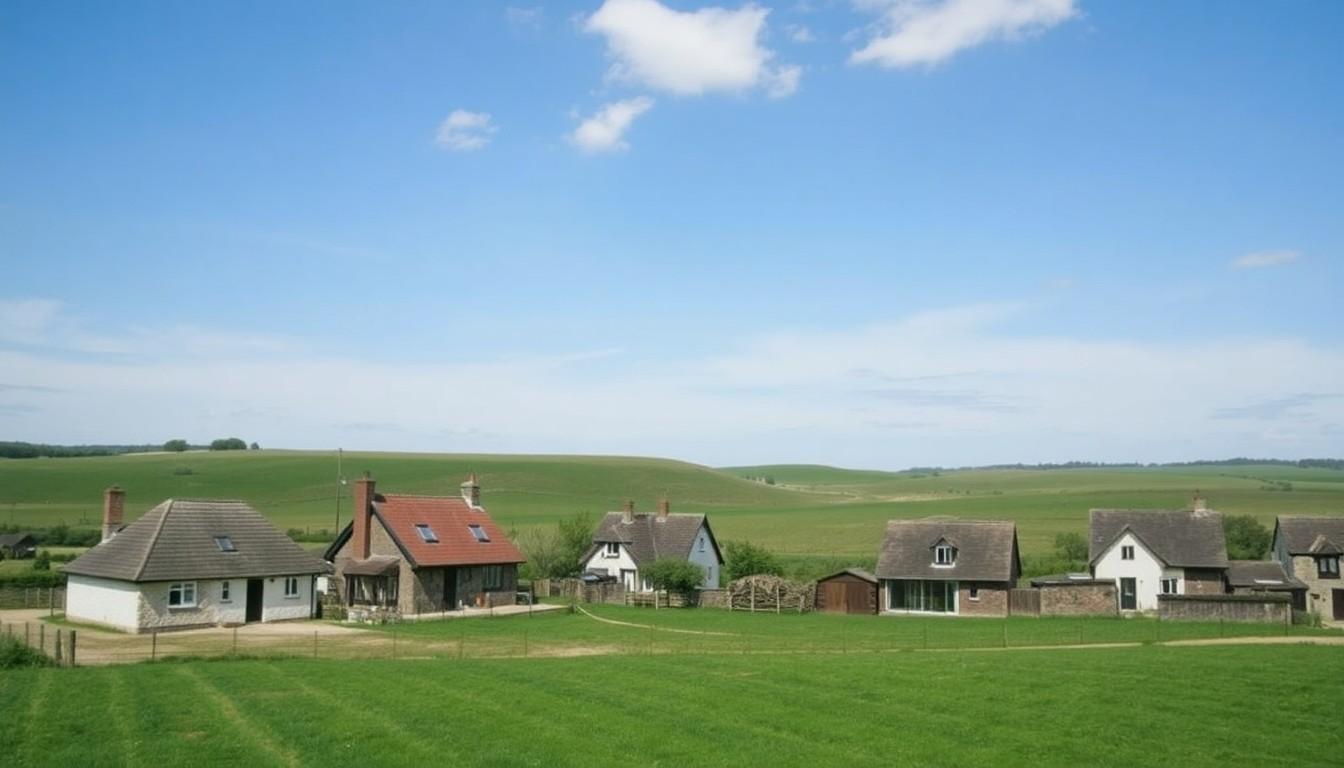
Popular culture still tends to frame LGBT life through major cities, nightlife districts and visible community hubs. Those places are important, of course, but they don't tell the whole story. Queer people also grow up in villages, suburbs, farming regions and small provincial towns, often while navigating limited privacy and fewer local resources.
Research into queer digital spaces suggests that online platforms can help people negotiate identity, community and belonging when their immediate surroundings feel restrictive or isolating. Academic work published in Media, Culture & Society has examined how mapping and digital participation can make personal experiences visible in new ways. [5]
That visibility isn't about turning every memory into a public performance. In many cases, anonymity is precisely what makes participation possible. Someone can mark a place without publishing their name, photograph or entire biography, leaving behind a small sign that says: someone like me was here.
More than a map, it's a collective memory
Queering the Map is often described as a digital archive, but it also feels like a conversation spread across distance. One contribution might describe a first relationship; another might recall a difficult encounter or a private moment of self-recognition. Together, these fragments create a record that is personal without being neatly organised.
The project began in 2017 and has been discussed as an example of queer counter-mapping, where conventional geography is supplemented by experiences that official maps usually ignore. Wikipedia's overview traces its development and wider cultural significance, while its entry on LaRochelle places the project within the artist's broader practice. [3] [4]
There is something quietly moving about that contrast. A map normally promises certainty, but these entries bring ambiguity, tenderness and messiness into the picture. Your hometown may look ordinary from above, yet the memories attached to it can reveal an entirely different emotional landscape.
How to explore the map thoughtfully
If you're browsing Queering the Map, take your time. Zoom in gradually, read with care and remember that the entries are real people's memories, even when they appear without identifying details. Some are joyful, while others may be painful or unsettling.
It's also worth resisting the urge to treat the map as a tourist guide to queer landmarks. Its value lies less in finding a perfect destination than in recognising patterns of life and feeling. Academic discussions of digital queer spaces underline how online participation can create connection while also raising questions about privacy, permanence and who gets to control personal stories. [6]
For anyone considering adding a memory, anonymity offers some protection, but it isn't the same as complete privacy. Avoid including details that could identify you or someone else, and think carefully before sharing a precise location. A vague emotional landmark can be just as meaningful as an exact address.
A small digital gesture with lasting reach
The project's wider importance is easy to miss because its interface feels so simple. There are no grand monuments, official plaques or polished institutional narratives, just people placing memories where they happened. Yet that simplicity gives the archive its force.
A video presentation of the project shows how mapping can become a form of storytelling and community-making rather than merely a way to locate places. [7] The result is a geography built from lived experience, where a quiet lane or distant town can carry as much significance as a famous city neighbourhood.
For someone who once felt stranded by geography, seeing those points appear can be genuinely reassuring. It doesn't erase loneliness, but it does offer evidence that isolation was never the whole truth.
Explore Queering the Map gently, and let its scattered memories redraw what belonging can look like.
Source Reference Map
Story idea inspired by: [1]
Sources by paragraph: