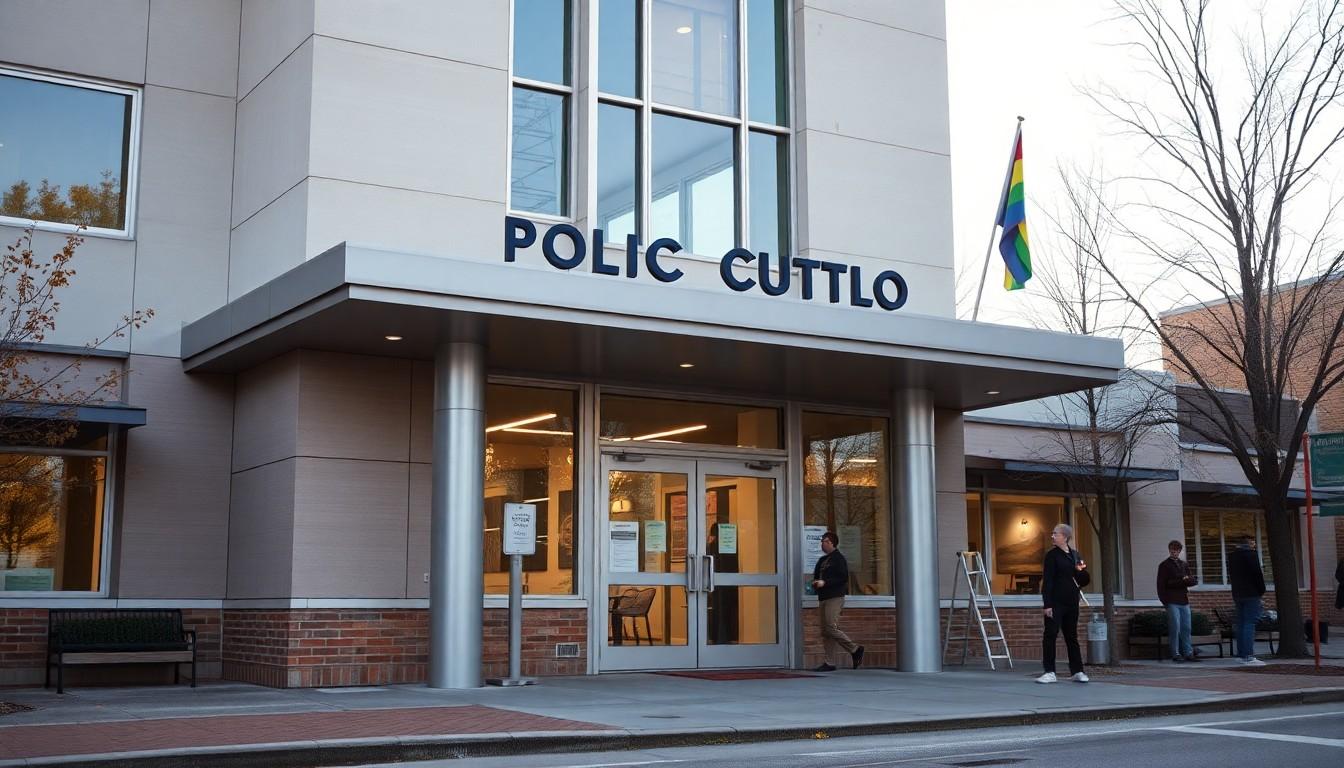
LGBTQ voters are heading towards America’s 2026 midterm elections with striking enthusiasm, as new Human Rights Campaign research finds 87% of registered respondents definitely plan to vote. With civil rights, household finances and marriage equality all weighing heavily, the findings offer a timely glimpse of a politically engaged electorate.
Essential Takeaways
- High reported enthusiasm: 87% of registered respondents said they definitely planned to vote, while another 7.5% said they probably would.
- Civil rights lead: Equal protection was the most frequently selected priority, chosen by 73.7% of respondents.
- Money matters too: Around half reported struggling to make ends meet, putting living costs and financial security alongside identity-related issues.
- Marriage equality remains a concern: 86% said they were either very or somewhat worried about its future.
- Read the figures carefully: The survey reflects reported intentions from an online, non-probability sample, not a guaranteed turnout forecast.
A highly motivated electorate is preparing to vote
The headline figure is hard to miss. In the Human Rights Campaign's survey, 87% of registered LGBTQ respondents said they definitely intended to vote in the 2026 midterms, with a further 7.5% saying they probably would. That makes for an unusually emphatic expression of intent, at least among the people surveyed. According to the HRC's published findings, 9,328 LGBTQ adults took part between 5 August and 8 September. [2], [5]
The November election will decide all 435 seats in the House of Representatives and roughly a third of the Senate. That gives the survey extra significance, because even modest changes in turnout could matter in closely fought races. The HRC's research also suggests that voters aren't approaching the election with a single issue in mind. [2], [4]
Still, intention isn't the same as a ballot being cast. The survey used online recruitment rather than a random national sample, and its results were weighted to better reflect the LGBTQ adult population. So the 87% figure is best understood as a measure of motivation, not a promise of what turnout will look like on election day. [5]
Civil rights lead, but household budgets are close behind
Equal protection emerged as the strongest political concern, with 73.7% of respondents placing civil rights among their three most important voting issues. That's unsurprising given the continuing battles over LGBTQ protections, but the rest of the list adds useful nuance. Inflation, the cost of living, government accountability, democratic institutions, healthcare and reproductive freedom also featured prominently. [2], [5]
The financial pressure is particularly striking. Around half of respondents said they were finding it difficult to make ends meet, showing that LGBTQ political engagement isn't confined to questions of identity or legal recognition. Rent, medical bills, job security and the weekly supermarket shop can turn a broad political debate into something intensely personal. [2]
That combination could shape how candidates appeal to voters. A campaign message about rights may resonate most strongly when it's connected to practical questions, such as access to healthcare, workplace security or housing stability. In other words, the survey presents a voter who wants both dignity and economic breathing room. [4], [5]
Marriage equality anxiety has returned to the conversation
The HRC data also captures deep concern about the durability of marriage equality. Forty-nine per cent of respondents said they were very worried that nationwide recognition of same-sex marriage could be overturned or restricted, while another 37% were somewhat worried. That's 86% expressing at least some concern, a powerful reminder that settled law can still feel unsettled to the people it protects. [2], [5]
The anxiety centres on Obergefell v. Hodges, the 2015 Supreme Court decision that established a constitutional right to same-sex marriage. Public debate around the Court, its conservative majority and the future of its landmark rulings has kept the issue in the spotlight, even though marriage equality remains federal constitutional law. [4], [5]
Gallup's separate polling provides a wider national backdrop. Its June 2026 report found that 65% of Americans supported legal same-sex marriage, down from a recent high of 71% in 2022 and 2023. Support remained much higher among Democrats, at 87%, than among independents, at 67%, or Republicans, at 37%. [3], [6]
What the numbers say about America beyond party labels
The Gallup figures show that marriage equality still commands majority support nationally, despite the recent decline. That matters because it places the HRC survey's concerns within a broader public debate rather than treating them as an isolated partisan issue. At the same time, the sharp party divide suggests why judicial appointments and congressional control remain central to the conversation. [3], [7]
The HRC survey itself doesn't say which party respondents will support, and it shouldn't be read as a party vote prediction. Instead, it points to a politically attentive group weighing civil rights alongside economic conditions and confidence in democratic institutions. That's a more complicated picture than the familiar assumption that one issue alone drives LGBTQ voters. [2], [5]
For candidates, the lesson is fairly plain. Voters may care deeply about equality, but they also want to know whether policies will make rent, healthcare and everyday life more manageable. A slogan might grab attention, but practical credibility is what could keep it. [4], [5]
Voter information could turn enthusiasm into turnout
The HRC has been supporting election-year engagement through its Let’s Get Free initiative, a $15 million public education and outreach effort aimed at equality-minded Americans. Its online voting centre also provides information about registration, voting rights and participation, giving voters a practical route from concern to action. [2], [4]
Deadlines and local rules still matter, particularly for anyone who has moved, recently become eligible or needs to update their details. California, for example, lists 19 October as the standard online registration deadline for the 3 November general election, while conditional registration remains available to eligible voters who miss it. Voters elsewhere should check their own state's official election website. [4]
Ultimately, the survey's most useful message may be less about predicting the final result and more about showing the mood before the campaign reaches its climax. LGBTQ voters appear worried, financially stretched and highly engaged. Whether that concern becomes a large turnout will be decided at polling places, ballot drop boxes and voting booths across the country. [2], [5]
It's a reminder that political energy only counts when it reaches the ballot box.
Source Reference Map
Story idea inspired by: [1]
Sources by paragraph:
- Paragraph 1: [2], [5]
- Paragraph 2: [2], [4]
- Paragraph 3: [5]
- Paragraph 4: [2], [5]
- Paragraph 5: [2]
- Paragraph 6: [4], [5]
- Paragraph 7: [2], [5]
- Paragraph 8: [3], [6]
- Paragraph 9: [4], [5]
- Paragraph 10: [3], [7]
- Paragraph 11: [2], [5]
- Paragraph 12: [4], [5]
- Paragraph 13: [2], [4]
- Paragraph 14: [4]
- Paragraph 15: [2], [5]