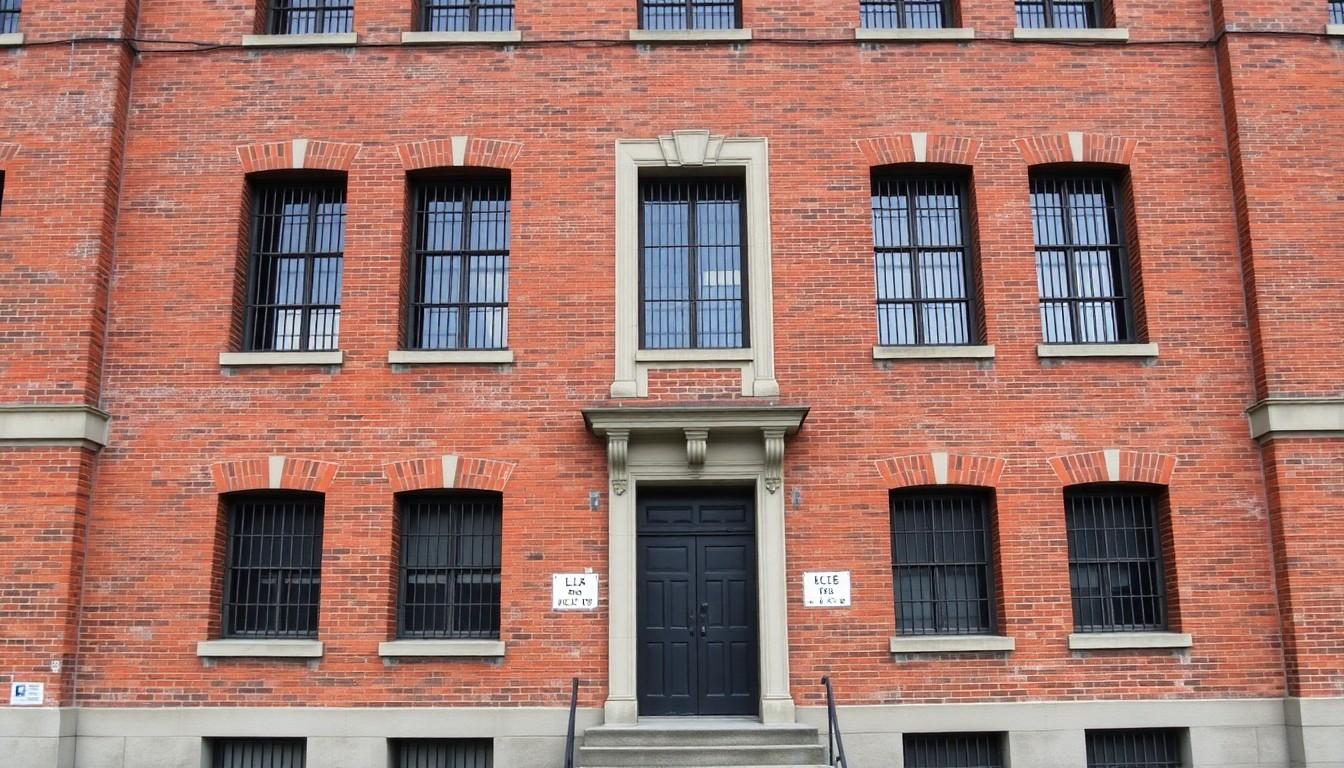
A forgotten holiday revue staged by gay inmates in a 1930s New York prison is bringing queer theatre history back into the spotlight, alongside a lively stream of LGBTQ+ pop-culture moments. The story offers a striking reminder that performance, humour and community have long helped queer people create freedom in unlikely places.
Essential Takeaways
- A remarkable prison production: Queer inmates staged an extravagant holiday pageant in 1930s New York.
- Camp as survival: Costumes, parody and performance created a rare space for self-expression.
- Part of a wider history: The revue sits within the era’s broader Pansy Craze and queer nightlife culture.
- The legacy continues: Today’s viral LGBTQ+ videos echo that same mix of humour, glamour and defiance.
A prison pageant with extraordinary nerve
The setting sounds bleak: a New York prison in the 1930s, with inmates putting on a holiday revue behind bars. Yet the production became something far more vivid than a diversion. It was a theatrical world of costume, exaggeration and queer wit, staged in a place designed to restrict nearly every form of personal freedom.
That contrast is what makes the story so arresting. A prison usually suggests hard surfaces, rules and silence; this pageant introduced sparkle, satire and a distinctly camp theatrical energy. Queerty’s account places the event within a rich but often overlooked chapter of LGBTQ+ history. [2]
How queer performance found room to breathe
The revue didn’t appear in isolation. It belonged to a period when queer performers and audiences were increasingly visible in clubs, theatres and popular entertainment, even as police harassment and social stigma remained a constant threat.
The wider Pansy Craze of the late 1920s and early 1930s helped bring flamboyant gay male performers into mainstream nightlife, although that visibility was fragile and often treated as a passing spectacle. Historical accounts describe the movement as both a moment of cultural prominence and a prelude to renewed repression. [4]
That makes the prison production feel less like an odd footnote and more like part of a wider performance language. As The Pink Times explains, the inmates’ holiday revue became legendary because it transformed confinement into a temporary stage, using theatricality to challenge the identities imposed on them. [3]
Why camp mattered beyond the costumes
Camp is sometimes reduced to fashion, make-up or a knowing punchline. In this context, it carried more weight. It allowed performers to exaggerate the rules of masculinity, mock authority and build a shared vocabulary with people who understood the joke.
Jean Malin, one of the best-known stars associated with the Pansy Craze, shows how powerful that vocabulary could be. PBS describes Malin as a major figure in the era’s queer performance culture, whose flamboyant public persona captured both the excitement and danger of that brief period of visibility. [5]
For the prisoners taking part in the pageant, performance may also have offered a practical kind of escape. The walls didn’t disappear, but for an evening the inmates could decide how they were seen. That’s a small sentence with a huge emotional charge.
From prison stages to viral queer culture
There’s a clear line between that old-fashioned revue and today’s LGBTQ+ entertainment clips, even if the technology has changed. Social media has made it possible for queer creators to share a look, joke, dance or theatrical reveal instantly, often reaching audiences far beyond traditional media.
The latest Queerty round-up captures that fast-moving culture, moving from a viral backflip and celebrity messages to playful celebrity updates and the return of familiar reality-TV nostalgia. [1] The mood is quick, cheeky and highly visual, but the underlying appeal is recognisable: queer people making something entertaining on their own terms.
That spirit also has roots in New York’s longer LGBTQ+ cultural history. The city’s theatre and nightlife spaces have repeatedly offered room for experimental, camp and boundary-pushing work, helping connect older performance traditions with contemporary queer culture. [6]
What this forgotten story still says today
The pageant matters because it complicates the usual story of queer history. It wasn’t only made in famous clubs, downtown theatres or private apartments. It could also emerge in institutions built to control and punish, where imagination became a way to reclaim a little authority.
Modern pop culture often moves at astonishing speed, but the emotional ingredients haven’t changed much. A dramatic entrance, a shared laugh and the chance to be seen clearly can still feel wonderfully rebellious. Whether it’s a prison revue or a phone video watched millions of times, queer performance keeps turning unlikely spaces into stages. [3]
For anyone exploring LGBTQ+ history, this is a particularly memorable place to begin. It’s theatrical, surprising and just camp enough to stay with you.
It's a small but dazzling reminder that queer creativity has never waited for perfect conditions.
Source Reference Map
Story idea inspired by: [1]
Sources by paragraph: