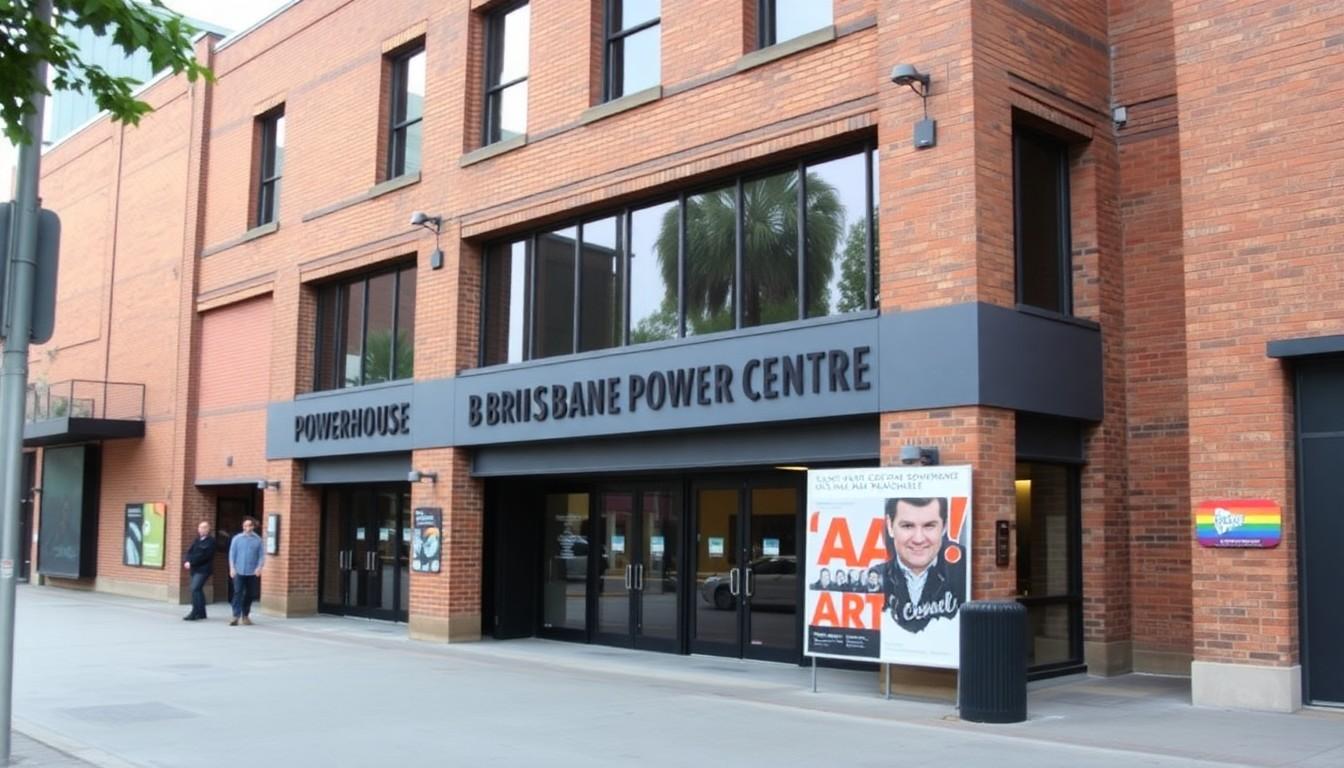
Visitors to Brisbane Powerhouse can step into Bloodlines, a vivid exhibition by Will and Garrett Huxley honouring queer artists lost to HIV/AIDS. Through photography, costume, video and performance, the show turns grief into glamour, remembering the creative voices that shaped queer culture while celebrating the freedom they helped make possible.
Essential Takeaways
- A creative memorial: Bloodlines honours queer artists lost during the HIV/AIDS epidemic.
- A multi-form exhibition: Expect photography, handmade costumes, video and performance.
- Personal roots: The Huxleys describe art as an escape from isolated suburban childhoods.
- A joyful mood: The show combines remembrance with glamour, excess and queer celebration.
- Where to see it: The exhibition runs at Brisbane Powerhouse from 21 October to 8 November.
A dazzling memorial with a serious heart
Bloodlines isn't a quiet memorial. It arrives in a shimmer of silhouettes, theatrical styling and richly constructed costume, bringing the memory of queer artists into the room with striking visual force. The Huxleys describe the exhibition as an act of worship, treating those lost to HIV/AIDS as cultural saints rather than distant historical figures.
That approach gives the show its emotional charge. There is mourning here, certainly, but also colour, movement and a sense of gratitude. Exhibition listings and biographical material from Carriageworks and MARS Gallery place the project within the Huxleys' broader practice of using fashion-led imagery and performance to explore queer identity and cultural memory.
Why these artists still matter
For the Huxleys, the artists remembered in Bloodlines weren't abstract names in a textbook. They were beacons encountered through magazines, television, books and occasional trips to galleries, offering glimpses of lives far removed from the outer suburbs where the artists grew up.
That personal history matters because the exhibition isn't simply looking backwards. It's about the imaginative power of representation, especially for queer young people who may feel cut off from their surroundings. Coverage of the Huxleys' work in The Saturday Paper and their artist biographies highlights the importance of creativity, glamour and self-invention in their visual world.
Costume turns remembrance into spectacle
The exhibition's handmade garments and carefully shaped silhouettes give each tribute a distinct physical presence. Instead of presenting a conventional archive, the Huxleys translate influence into texture, pose and atmosphere, creating images that feel part portrait, part performance and part queer holy card.
It's a fitting method for artists whose work was often tied to appearance, nightlife, bodies and transformation. Previous exhibition information from Carriageworks and Lismore Gallery shows how the Huxleys' projects sit comfortably between visual art, fashion and live performance, making Bloodlines feel less like a static display and more like a room with its own pulse.
A celebration of freedom, not only loss
The central tension is what makes Bloodlines compelling. The exhibition remembers the devastation of the HIV/AIDS epidemic, but it also recalls the freedom and sexual self-expression that followed gay liberation. For the Huxleys, celebrating that period means recognising the joy that existed alongside the fear.
That balance stops the work becoming purely elegiac. The glamour feels deliberate, even defiant, as though the exhibition is insisting that queer life should be remembered in full colour. Festival and gallery listings, including those from Midsumma and Lismore Gallery, place the work within a continuing Australian conversation about queer histories and artistic inheritance.
What visitors can expect in Brisbane
Bloodlines is scheduled for Fairfax Studio and the Main Foyer at Brisbane Powerhouse from 21 October to 8 November. Visitors should expect a cross-disciplinary presentation rather than a conventional painting exhibition, with costume, photography, video and performance working together.
It's worth allowing time to take in the details. The small decisions in a garment, pose or image are part of the tribute, and the show's impact is likely to build through those layers. Carriageworks' exhibition material and the Huxleys' artist biography both point to a practice that rewards close attention, particularly for audiences interested in queer art, fashion and performance.
For younger visitors, Bloodlines may also offer a powerful introduction to artists and histories that aren't always given enough space. For older audiences, it can feel like a glittering act of remembrance. Either way, the message is clear: the people who shaped queer culture haven't disappeared from the story.
It's a bright, generous tribute to the artists who made queer futures imaginable.
Source Reference Map
Story idea inspired by: [1]
Sources by paragraph: