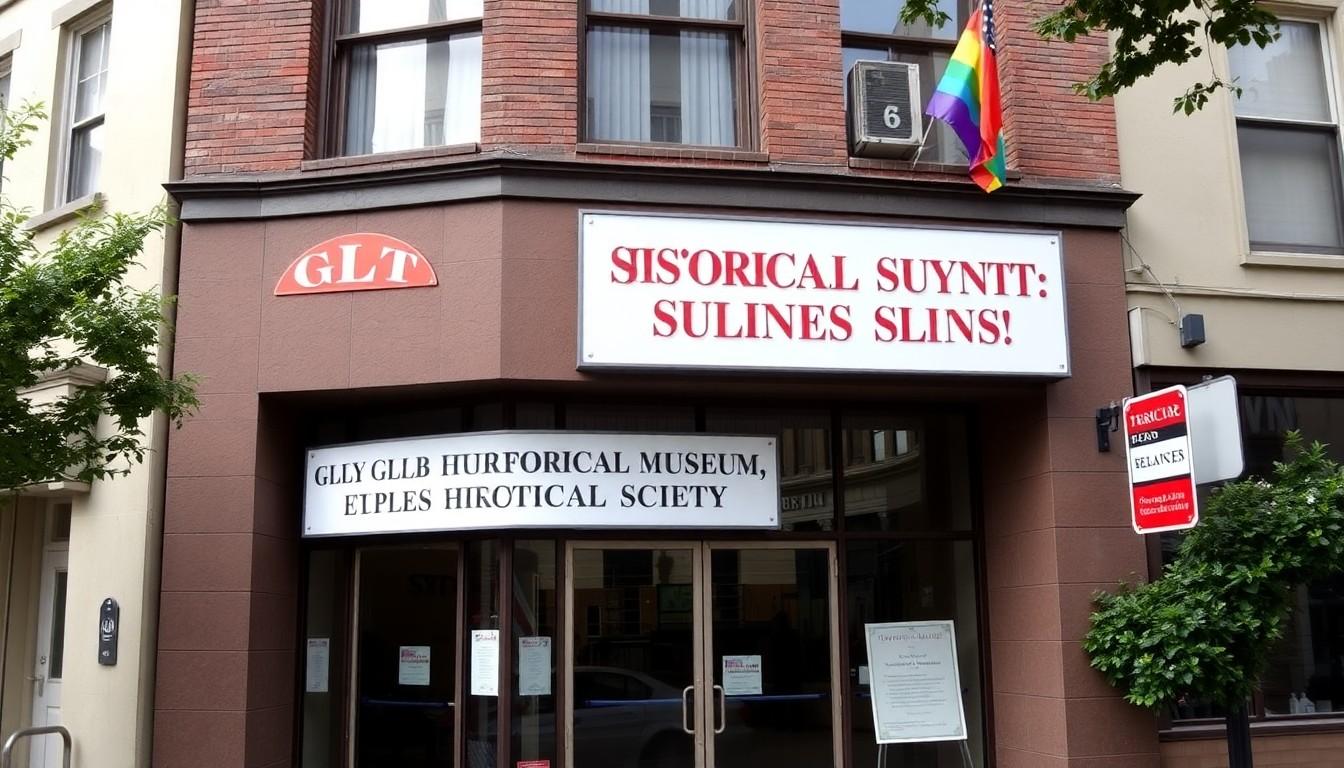
Readers, writers and historians are gathering across the Bay Area for Litquake 2026, with a timely San Francisco panel examining how LGBTQ lives are researched, remembered and represented. Hosted at the GLBT Historical Society Museum in the Castro, the conversation promises local history, lively debate and plenty to think about.
Essential Takeaways
- Event date: The panel is scheduled for 22 October at 6pm.
- Location: It takes place at the GLBT Historical Society Museum in San Francisco’s Castro district.
- Focus: Writers will discuss researching and writing LGBTQ historical stories.
- Speakers: Katie Gilmartin, Joey Cain, Lucy Jane Bledsoe and Mark Abramson are on the panel.
- Moderator: Bay Area Reporter Arts Editor and author Jim Provenzano will lead the conversation.
A literary conversation with real stakes
Historical fiction and narrative non-fiction can make the past feel close enough to touch, but whose memories survive in the first place? That question sits at the heart of Litquake’s “Her Story, History, Their Story, Whose Story?”, a panel exploring how LGBTQ lives are represented when mainstream accounts leave gaps.
The event takes place at the GLBT Historical Society Museum, an especially fitting setting. Surrounded by community archives and physical reminders of lives that might otherwise have disappeared, the discussion should feel less like an abstract writing seminar and more like a conversation with the past.
According to the Bay Area Reporter, the panel is co-sponsored by the publication and the GLBT Historical Society Museum as part of the wider festival programme.
How do authors research LGBTQ history?
Researching queer history rarely means relying on one neat archive. Authors may have to piece together newspapers, letters, oral histories, photographs, court records and personal collections, while also asking who created those records and what they chose to omit.
That process brings its own ethical questions. A writer isn't simply collecting facts; they're interpreting people’s lives, relationships and private choices for a modern audience. The challenge is to create a compelling story without sanding away the uncertainty, contradictions or social pressures that shaped the original world.
Event listings from the GLBT Historical Society place the panel within the museum's broader programme of talks and cultural events. For readers, that makes it a useful chance to hear directly from writers about the messy, fascinating work behind a finished book.
Four writers, four approaches to the past
Katie Gilmartin, Joey Cain, Lucy Jane Bledsoe and Mark Abramson bring different experiences and perspectives to the discussion. That variety should help move the conversation beyond a single idea of what LGBTQ historical storytelling looks like.
Some writers begin with a documented person or event. Others work from fragments, community memory or the emotional truth suggested by incomplete records. Put four approaches in the same room and the most interesting moments may come from the points of disagreement.
Listings from Litquake and other local event guides describe the panel as a conversation about historical storytelling, research and representation. It sounds particularly well suited to readers who enjoy author talks but want something more substantial than a standard book launch.
Why San Francisco makes the setting matter
San Francisco carries an unusually visible place in LGBTQ history, but visibility can be deceptive. Famous landmarks and well-known figures often dominate the story, while ordinary residents, working-class communities, trans people and people of colour can be pushed to the edges.
Holding the discussion in the Castro connects those broader questions to a neighbourhood recognised around the world as a centre of LGBTQ life. The museum setting adds another layer, because its collections show how much history depends on people preserving flyers, photographs, interviews and everyday documents.
The GLBT Historical Society says its work centres on preserving and sharing LGBTQ history and culture. That mission gives the panel a practical foundation: it isn't only asking what stories should be told, but also how communities can help ensure those stories remain available.
A worthwhile stop during Litquake 2026
Litquake fills venues around the Bay Area with readings, talks and literary events, and this panel offers a strong reason to look beyond the usual festival circuit. It combines writing advice, cultural history and a question that reaches well beyond LGBTQ literature: who gets to shape the record?
The event is scheduled for 22 October at 6pm at the GLBT Historical Society Museum. Prospective attendees should check the current Litquake schedule and venue information before travelling, as festival details can change.
For anyone interested in San Francisco history, queer archives or the craft of writing about real lives, this could be one of the more thought-provoking evenings on the programme. After all, the stories that survive are rarely accidental.
It's a small panel with a very large question: whose story gets remembered?
Source Reference Map
Story idea inspired by: [1]
Sources by paragraph: