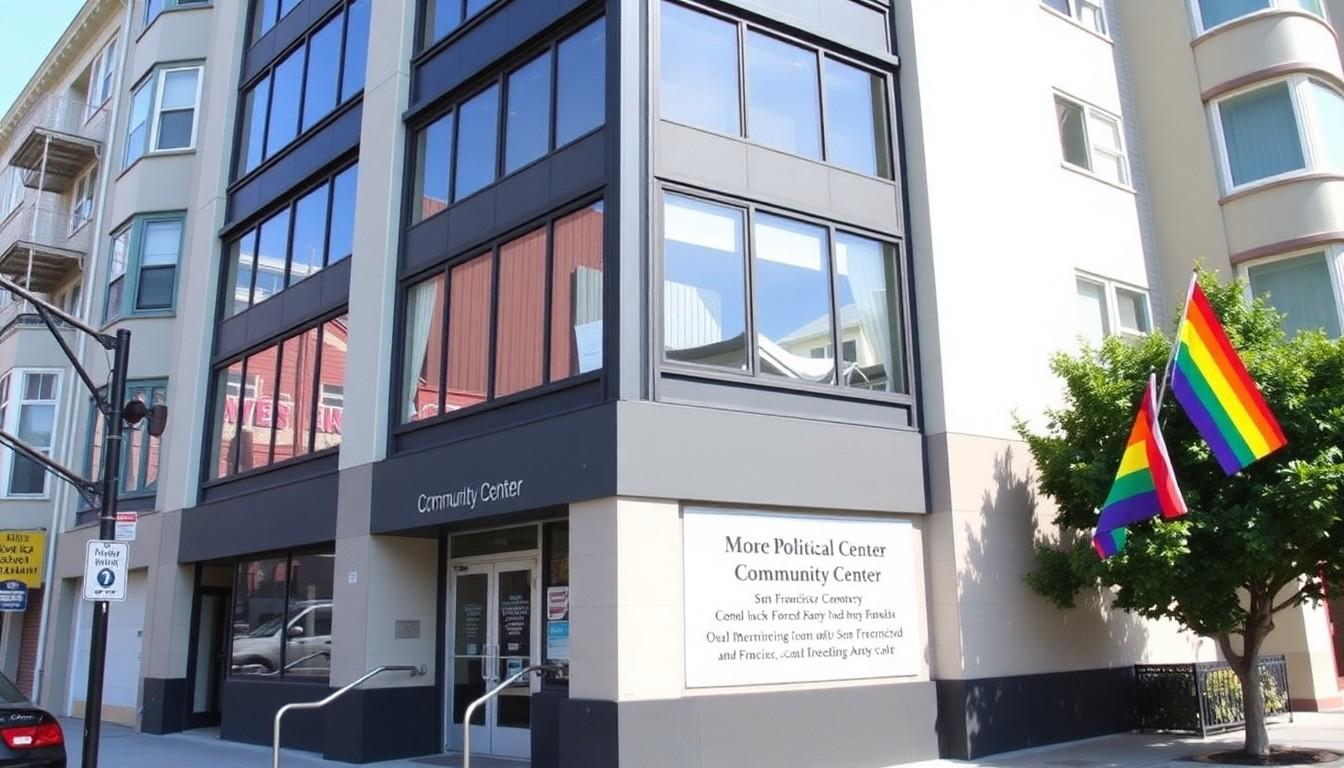
San Francisco residents are being invited to look beyond election-season mailers and see how local politics shapes rent, transport, schools, healthcare and community life. The Alice B. Toklas LGBTQ Democratic Club is launching a more accessible conversation, aimed at curious residents who care about the city but don't fancy becoming political experts.
Essential Takeaways
- Politics is close to home: Local decisions can affect housing, public transport, schools, healthcare and neighbourhood life.
- No specialist knowledge required: Residents don't need to master every acronym or ballot measure to get involved.
- A long civic history: The Alice B. Toklas LGBTQ Democratic Club has worked in San Francisco since 1971.
- Practical engagement matters: Meetings, canvassing, public discussions and endorsement votes offer straightforward ways to participate.
- The invitation is broad: LGBTQ residents and allies can help shape the city's political future.
Local politics starts with everyday life
Politics can sound abstract until it reaches your doorstep. Then it becomes the cost of a home, the reliability of a bus, the quality of a school or the services available to people in your neighbourhood.
That everyday connection is the starting point for Martin Rawlings-Fein, senior co-chair of the Alice B. Toklas LGBTQ Democratic Club. In his new column, he argues that caring about politics doesn't require an encyclopaedic knowledge of City Hall. It starts with noticing what affects the people and places around you.
The point feels especially relevant in San Francisco, where local government decisions can touch housing, public safety, education, public health and civil rights all at once. You don't need to know every officeholder before asking a perfectly sensible question: how will this decision change daily life?
A political club with deep San Francisco roots
The Alice B. Toklas LGBTQ Democratic Club was founded in 1971 and takes its name from Alice B. Toklas, the writer and longtime partner of Gertrude Stein. The club brings LGBTQ residents and allies into Democratic politics through advocacy, voter outreach, public programmes and candidate endorsements.
Its history matters because representation wasn't always treated as a normal part of civic life. The organisation emerged when LGBTQ people were still fighting for a meaningful voice in public affairs, and it continues to focus on political participation and equality.
Today, that work can look both traditional and highly practical. The club holds membership meetings, takes part in election activity, organises public conversations and helps members engage with the endorsement process. According to the organisation, its work is designed to build LGBTQ political power while encouraging wider civic involvement.
Why election mailers aren't the whole story
Endorsement cards can be useful, particularly when a ballot is crowded with unfamiliar names and measures. But they tend to show the conclusion rather than the reasoning. A resident might see which candidates a club supports without understanding the debate that led there.
That's the gap Rawlings-Fein wants to address. His planned monthly conversations will unpack people, offices, issues and political history in plain language, without assuming readers have spent years attending party meetings.
It could be a welcome change for anyone who has opened a thick election leaflet and immediately felt their enthusiasm evaporate. San Francisco politics has its share of jargon, but curiosity is a perfectly good first qualification. The San Francisco Democratic Party also lists affiliated clubs and groups, showing just how many routes there are into local political life.
How to get involved without becoming an expert
The easiest starting point is to choose one issue that genuinely matters to you. Housing, public safety, reproductive rights, transport or LGBTQ equality can all lead to useful conversations, and you don't need a fully formed platform before showing up.
Membership meetings offer a chance to hear from candidates and community leaders, meet other members and take part in discussions about endorsements. Other options include voter outreach, canvassing, public events and community programmes. The Alice B. Toklas club's online information explains how people can join and participate.
A good rule is to begin small. Attend one meeting, ask one question or follow one local issue through to a decision. That approach is less intimidating than trying to understand the entire political system in one sitting, and it's far more likely to become a lasting habit.
There is room at the table
The club's calendar brings together subjects that might initially seem separate, from public safety and reproductive rights to candidate campaigns and the future of San Francisco. The common thread is the kind of community residents want to build and protect.
Its annual Pride Breakfast also creates a visible meeting point for community members, elected officials and LGBTQ leaders. The 2026 event reflected the club's role as both a political organisation and a social civic space, where celebration and campaigning can sit side by side.
With another election approaching, residents can expect more names, more leaflets and more opportunities to tune out. But local politics doesn't require total immersion. Sometimes it simply asks whether you're willing to pull up a chair, listen carefully and decide what matters to you.
It's a small first step, but it can make San Francisco politics feel much more human.
Source Reference Map
Story idea inspired by: [1]
Sources by paragraph: