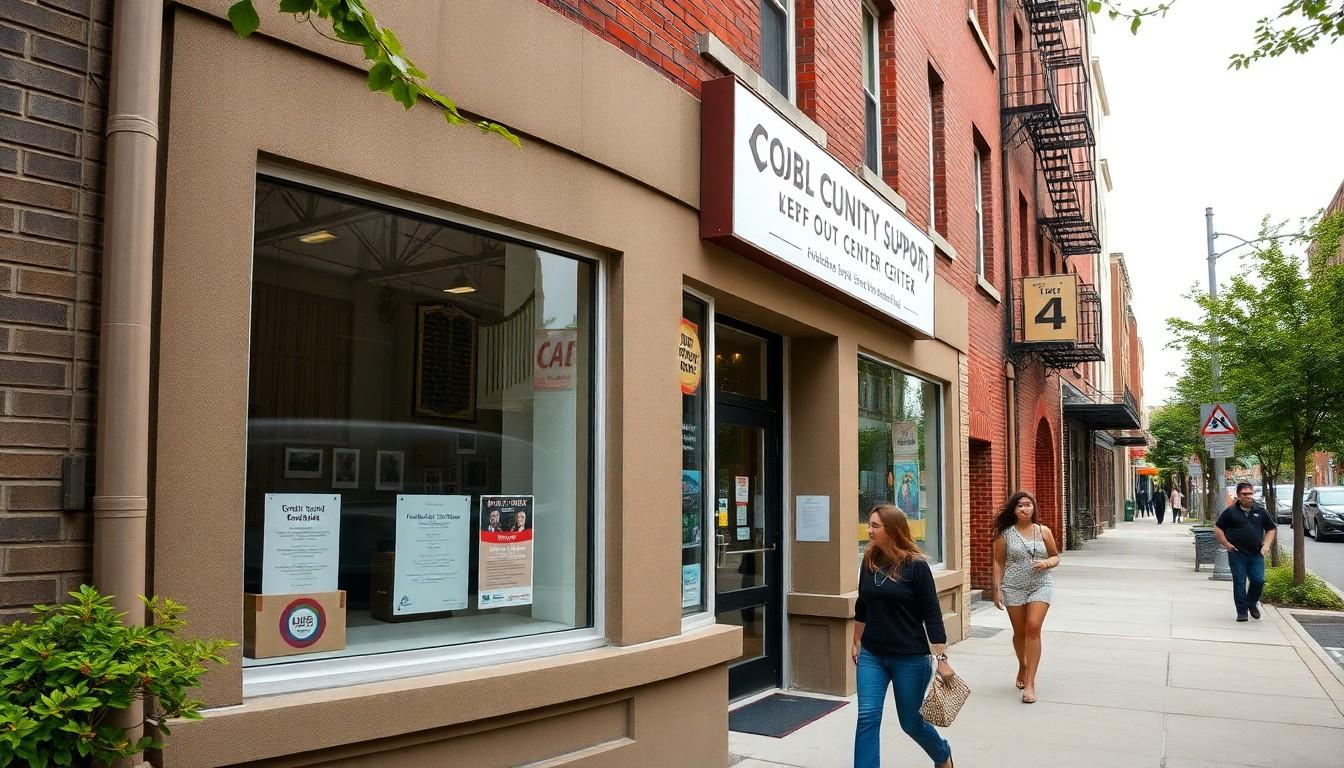
Young LGBTQ people across the United States face a disproportionate risk of homelessness, often after family rejection, discrimination or a mental-health crisis. New research and frontline organisations show why affirming services, trusted adults and early financial help can make the difference between a housing emergency and a route back to stability.
Essential Takeaways
- The risk is sharply higher: LGBTQ young people experience homelessness at more than twice the rate of their non-LGBTQ peers.
- Family rejection matters: Conflict at home, discrimination and unsafe living environments are common routes into housing instability.
- Shelters aren't always enough: Gender-segregated settings and fear of mistreatment can make mainstream services feel unsafe.
- Early help can work: Cash assistance, housing advice and consistent support may prevent a short crisis becoming long-term homelessness.
- Mental health and housing are linked: Stable accommodation can support recovery, while homelessness can intensify anxiety, depression and substance use.
The numbers show a persistent crisis
The scale of LGBTQ youth homelessness is difficult to ignore. National research has repeatedly found that LGBTQ young adults are more than twice as likely to experience homelessness as their non-LGBTQ peers, while broader studies have linked housing instability with serious health and social consequences.
The National Coalition for the Homeless says LGBTQ people are over-represented among those without stable housing, with young people particularly exposed to family rejection, discrimination and poverty. The issue isn't new, either. Research and advocacy reports have documented the pattern for years, yet the figures have proved stubbornly difficult to shift. [2]
That persistence matters because homelessness during adolescence or early adulthood can disrupt almost everything at once. Education, employment, healthcare and relationships all become harder to maintain when someone is focused on finding a safe place to sleep. A 2025 American Academy of Pediatrics study of adolescent homelessness in the United States also underlined how housing instability can overlap with wider health and welfare risks. [4]
Why greater visibility doesn't always mean greater safety
LGBTQ representation has grown, and public attitudes have changed in many parts of the country. But a young person who feels encouraged to come out may still return to a home where their identity is rejected. That uncomfortable gap between social progress and private safety can leave them exposed.
The National LGBTQ Task Force has described youth homelessness as an epidemic shaped by family rejection, poverty and discrimination, rather than by identity itself. In other words, being LGBTQ doesn't cause homelessness. Hostile environments and a lack of support can. [5]
Research has also pointed to the role of schools, healthcare providers and other institutions. If young people don't know where to seek help, or expect to be judged when they arrive, they may wait until a precarious situation becomes an emergency. UCLA researchers have highlighted the importance of understanding these pathways, particularly for young people whose experiences can be missed by standard homelessness surveys. [7]
A shelter bed may not feel like a safe answer
Emergency accommodation is important, but it isn't automatically suitable for every LGBTQ young person. Transgender and non-binary people may worry about gender-segregated spaces, harassment or being misgendered. Others may have already had poor experiences with authorities and feel understandably wary of asking for help.
Legal information from Justia notes that LGBTQ young people can face discrimination in housing, shelters, foster care and education. Those barriers can make a basic search for somewhere safe feel like a maze, especially when someone has no money, transport or trusted adult to help navigate it. [6]
This is why visible signals of welcome matter, from inclusive staff training to clear anti-discrimination policies and posters for LGBTQ support groups. They won't solve the housing shortage, but they can answer a crucial question for someone in crisis: will I be safe here? The best services pair that reassurance with practical help, including housing navigation, healthcare and mental-health support.
Prevention needs to arrive before the crisis
The most effective intervention may come before someone reaches a shelter. A trusted relative, teacher, youth worker or community organisation can sometimes provide the connection that keeps a young person housed. That support might mean mediation with family, help paying a bill or a safe place to stay for a few nights.
The National Coalition for the Homeless recommends approaches that address both immediate need and the underlying causes of housing loss. These include family support, accessible healthcare, anti-discrimination measures and services designed specifically for LGBTQ people. [2]
Direct financial assistance is another promising route. Research indexed by PubMed has examined the relationship between LGBTQ identity, housing instability and health, reinforcing the case for support that deals with material hardship as well as emotional distress. A modest payment won't fix every problem, but it may cover a deposit, transport, overdue rent or a short-term hotel while a longer plan is arranged. [3]
Mental health support belongs in the housing plan
Housing and mental health often move in the same direction. A stable room can create the quiet needed to attend therapy, take medication, sleep properly or return to work. Conversely, sleeping rough or moving between sofas can intensify anxiety, depression, substance use and feelings of hopelessness.
The UCLA research on LGBTQ youth homelessness points to the importance of examining health, family circumstances and housing together, rather than treating them as separate issues. That joined-up approach is especially important for young people who have experienced rejection or trauma. [7]
For families, schools and professionals, the practical lesson is simple: ask about safety and housing early, and don't assume that a young person has somewhere secure to go. For young people seeking help, LGBTQ community centres, youth charities, local housing services and trusted healthcare professionals can be useful starting points. If someone is in immediate danger or thinking about suicide, contact emergency services or a crisis hotline in their area now.
What needs to change next?
A lasting response will require more than extra shelter places. Young people need services that are affirming, affordable and easy to reach, alongside stronger protections against discrimination in housing, education and healthcare.
The evidence also makes a case for measuring LGBTQ identity and housing instability more carefully. Better data can show where services are failing, while youth-led organisations can explain what support feels useful on the ground. The encouraging part is that prevention doesn't always require a grand solution. Sometimes it starts with cash at the right moment, a safe adult who listens or a service that makes clear, from the doorway, that everyone is welcome.
It's a small shift in approach, but it can help turn a housing crisis into a path towards safety.
Source Reference Map
Story idea inspired by: [1]
Sources by paragraph: