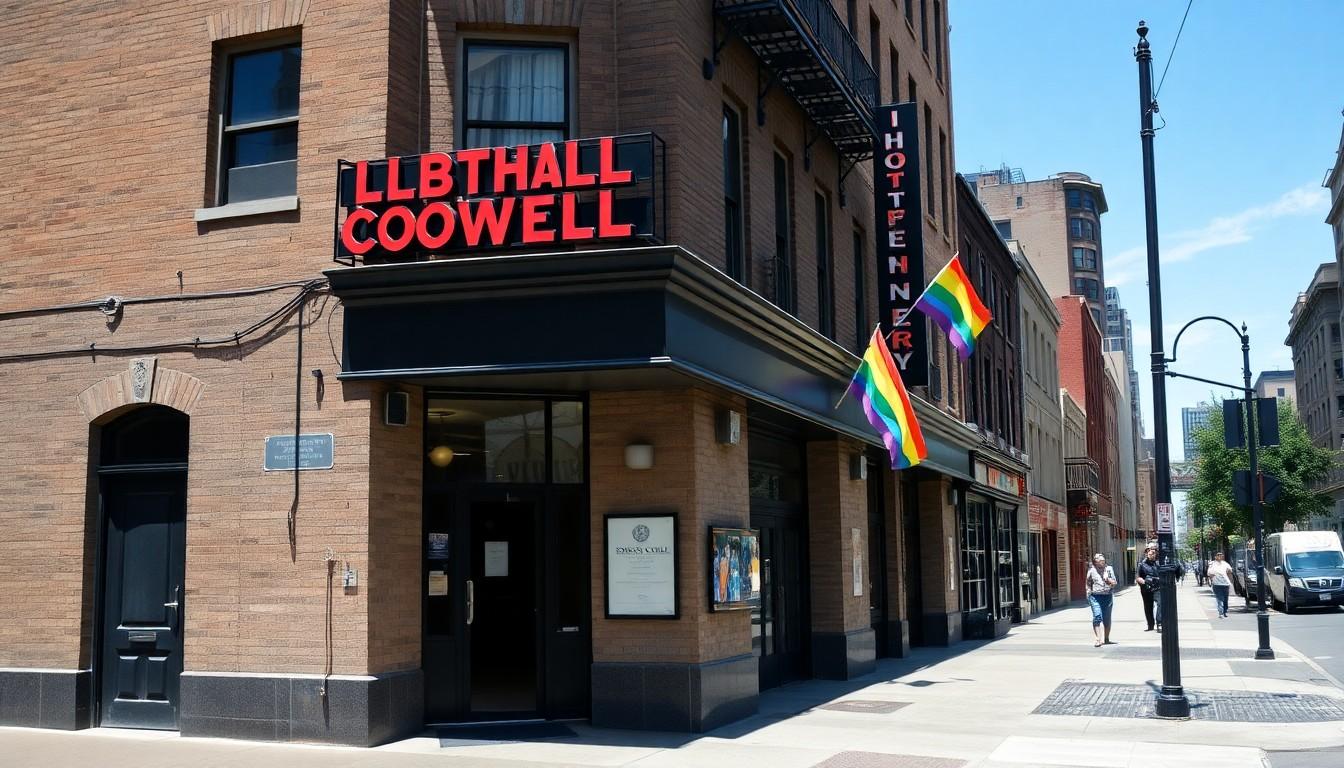
Historians and eyewitnesses are pushing back against the popular claim that Judy Garland’s death sparked the Stonewall riots, arguing that police harassment, criminalisation and years of discrimination tell the real story. The distinction matters because Stonewall wasn’t a celebrity tribute: it was a furious, dangerous turning point in the fight for LGBTQ+ rights.
Essential Takeaways
- The timing is real, but the cause is disputed: Garland died days before the uprising, yet there’s no reliable evidence that her funeral triggered it.
- Stonewall was a confrontation with police: Raids, arrests and routine humiliation had created deep anger in New York’s LGBTQ+ community.
- The uprising lasted several nights: Resistance continued beyond the first clash outside the Stonewall Inn.
- The aftermath built a movement: Activists formed organisations, published newspapers and organised the first Pride march the following year.
- First-hand accounts matter: Oral histories and community archives can challenge stereotypes preserved in early news coverage.
Stonewall was an uprising, not a Hollywood melodrama
The most powerful fact about Stonewall is also the simplest: people were angry. When police entered the Stonewall Inn in New York’s Greenwich Village in the early hours of 28 June 1969, patrons resisted rather than quietly accepting another raid. According to History, the confrontation grew into several nights of protests, arrests and street battles.
That reality can feel less tidy than the familiar Judy Garland story, but it’s far more revealing. The streets were tense, the mood was volatile and the response to police control became a collective refusal to keep moving on command. National Geographic describes the uprising as a crucial spark for the modern LGBTQ+ rights movement.
Where did the Judy Garland story come from?
Garland died on 22 June 1969, less than a week before the Stonewall uprising. That proximity made an easy anecdote, particularly for outsiders looking for a colourful explanation for an event they didn’t understand. But timing alone isn’t evidence, and the claim that mourners rioted because they were grieving has never been firmly established.
The story also carries an uncomfortable stereotype. It turns a politically charged act of resistance into a punchline about theatrical, overly emotional gay men. As the historical record around Stonewall shows, the central issue was not celebrity mourning but the constant pressure of policing and discrimination.
The real spark was years of police harassment
Police raids on gay bars were common, and the Stonewall Inn itself operated in a city where LGBTQ+ people faced legal and social punishment simply for being themselves. PBS notes that the bar was controlled by organised crime, a detail that helps explain both its popularity and its vulnerability. It was one of the few places where people who were often excluded elsewhere could gather.
That refuge came with risks. Customers could be arrested, exposed or humiliated, while the bar’s owners had strong reasons to keep police relationships manageable. When the raid unfolded differently in June 1969, the anger on the pavement reflected a much longer history than one week’s headlines.
Stonewall’s legacy was built after the riot
The uprising didn’t end when the crowd dispersed. Activists formed and strengthened organisations including the Gay Liberation Front, held demonstrations and created their own publications. History’s timeline of the events shows how quickly the initial confrontation fed into a wider campaign for visibility and political power.
A year later, activists gathered for marches in New York, Los Angeles and Chicago to mark the anniversary. Those events became the foundation of Pride as a recurring public demonstration. In other words, Stonewall’s lasting importance lies not in a dramatic single night, but in what people did afterwards.
Why eyewitnesses and community archives matter
Early newspaper reports are useful, but they’re not automatically complete or impartial. Journalism reflects the language, assumptions and blind spots of its time, so later historians need to compare contemporary coverage with testimony from people who were present and with records produced by LGBTQ+ activists themselves.
That work is especially urgent now. Participants in the uprising and the movement that followed are ageing, while photographs, leaflets, newspapers and personal memories remain scattered. Preserving those materials could make the history richer, more complicated and, importantly, less dependent on myths that were repeated simply because they sounded memorable.
Stonewall deserves better than a neat celebrity explanation. Its history is tougher, braver and far more human.
Source Reference Map
Story idea inspired by: [1]
Sources by paragraph:
- Paragraph 1: [2], [3]
- Paragraph 2: [2], [3]
- Paragraph 3: [2], [5]
- Paragraph 4: [4], [2]
- Paragraph 5: [2], [5]
- Paragraph 6: [3], [5]
- Paragraph 7: [2], [3]
- Paragraph 8: [2], [5]
- Paragraph 9: [3], [4]
- Paragraph 10: [2], [3]
- Paragraph 11: [2], [5]
- Paragraph 12: [2], [3]
- Paragraph 13: [3], [5]
- Paragraph 14: [2], [4]
- Paragraph 15: [2], [3]
- Paragraph 16: [3], [5]
- Paragraph 17: [2], [3]
- Paragraph 18: [2], [5]
- Paragraph 19: [3], [4]
- Paragraph 20: [2], [3]