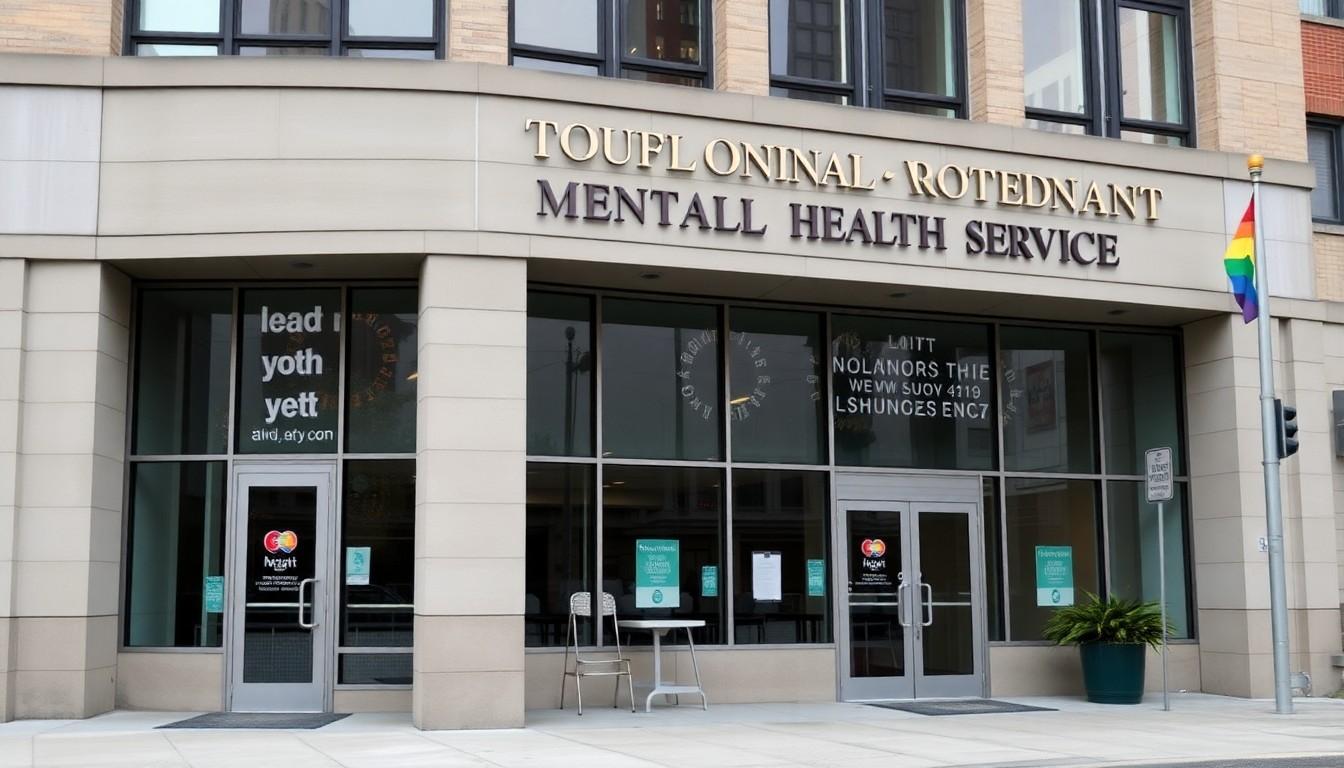
New York is moving ahead with plans for a dedicated LGBTQ+ youth crisis line, even after national 988 services restored their specialised “press 3” option. The state says the project will offer affirming support while training more local crisis counsellors, a move advocates believe could be especially important for young people in rural communities.
Essential Takeaways
- A dedicated service is planned: New York has set aside $1.8 million for an LGBTQIA+ youth and young adult crisis line.
- Training is a major part of the funding: About $600,000 is intended to prepare hundreds of crisis counsellors.
- The service complements 988: The national line’s specialised LGBTQ+ option has returned, but state officials want a dependable local safeguard.
- Rural young people may face extra barriers: Distance, limited services and housing instability can make immediate help harder to reach.
- The target is next summer: New York is inviting qualified organisations to run the service and deliver the training.
New York wants support that lasts beyond a federal switch
The central question is no longer simply whether LGBTQ+ young people can reach help today. It’s whether that help will still be there if national funding, staffing or policy changes again.
Assemblymember Carrie Woerner welcomed the return of 988’s youth LGBTQ+ “press 3” option, but she has also backed a state-level response. According to reporting by WRGB, she argues that New York should keep building its own pool of trained professionals rather than relying entirely on a federal service.
That approach gives the state more control and, potentially, more consistency. It also recognises that crisis support isn’t only about a phone conversation. A well-trained workforce can contribute in schools, community organisations and other face-to-face settings, where trust often takes time to build.
What the $1.8 million package will cover
New York’s Office of Mental Health has allocated $1.8 million for the initiative. State procurement listings and OMH materials describe two strands: operating the specialised line and training crisis counsellors who can respond with culturally competent, affirming care.
Around $1.2 million is earmarked for running the service, while $600,000 will support training. That split matters because a hotline is only as strong as the people answering it. A calm voice, the right language and an understanding of LGBTQ+ experiences can make a difficult call feel less clinical and more human.
The state is seeking an established organisation to operate the line, alongside a separate proposal for training. According to the New York State Contract Reporter and related procurement records, the aim is to have the arrangements in place by next summer.
Why rural LGBTQ+ young people could benefit most
For someone living in a major city, help may be available through specialist clinics, youth groups or community centres. In rural New York, the nearest affirming service could be much farther away, and privacy can feel harder to protect in a small community.
WRGB reported that Woerner has raised particular concern about rural constituents. OMH also points to higher rates of depression, housing instability, suicidal thoughts and suicide attempts among LGBTQ+ young people, all of which can be intensified when support is patchy or difficult to reach.
That’s where a dedicated crisis line can offer a low-friction first step. It won’t replace long-term counselling, safe housing or local healthcare, but it can help someone through the sharpest moment and connect them with further support.
How the new line fits alongside 988
The national 988 Suicide and Crisis Lifeline restored its specialised LGBTQ+ youth option after an extended interruption. New York officials say they’re pleased to see that service back, but they don’t want the state’s safety net to depend on one national arrangement.
OMH said the state remains committed to making mental health support available to people in at-risk groups and described the dedicated line as a way to provide trusted, consistently available help. The agency’s statement, published through its public communications channels, makes clear that the new service is intended to sit alongside 988 rather than compete with it.
For families and young people, the practical message is reassuringly simple: 988 remains an immediate route to crisis support, while New York is working towards an additional service designed specifically for LGBTQIA+ young people and young adults.
Training could be the project’s lasting legacy
The most valuable outcome may eventually be the counsellor training rather than the phone service alone. Woerner has argued that trained professionals could support people in many settings, giving New York a deeper bench of workers ready to respond if the federal option changes again.
Procurement information indicates that the state is now moving from policy to implementation, with qualified providers invited to submit proposals. That creates a window to shape the service carefully, including its staffing, referral pathways and relationship with local organisations.
For a young person in crisis, the difference may come down to something small but significant: reaching someone who listens without judgement and understands why the call was difficult to make. New York is betting that kind of support deserves its own permanent infrastructure.
A dedicated, affirming service could make crisis help feel safer and easier to reach when it matters most.
Source Reference Map
Story idea inspired by: [1]
Sources by paragraph:
- Paragraph 1: [2], [3]
- Paragraph 2: [4], [5]
- Paragraph 3: [6], [7]
- Paragraph 4: [2], [3]
- Paragraph 5: [4], [5]
- Paragraph 6: [6], [7]
- Paragraph 7: [2], [4]
- Paragraph 8: [3], [5]
- Paragraph 9: [6], [7]
- Paragraph 10: [2], [3]
- Paragraph 11: [4], [5]
- Paragraph 12: [6], [7]
- Paragraph 13: [2], [3]
- Paragraph 14: [4], [5]
- Paragraph 15: [6], [7]
- Paragraph 16: [2], [3]