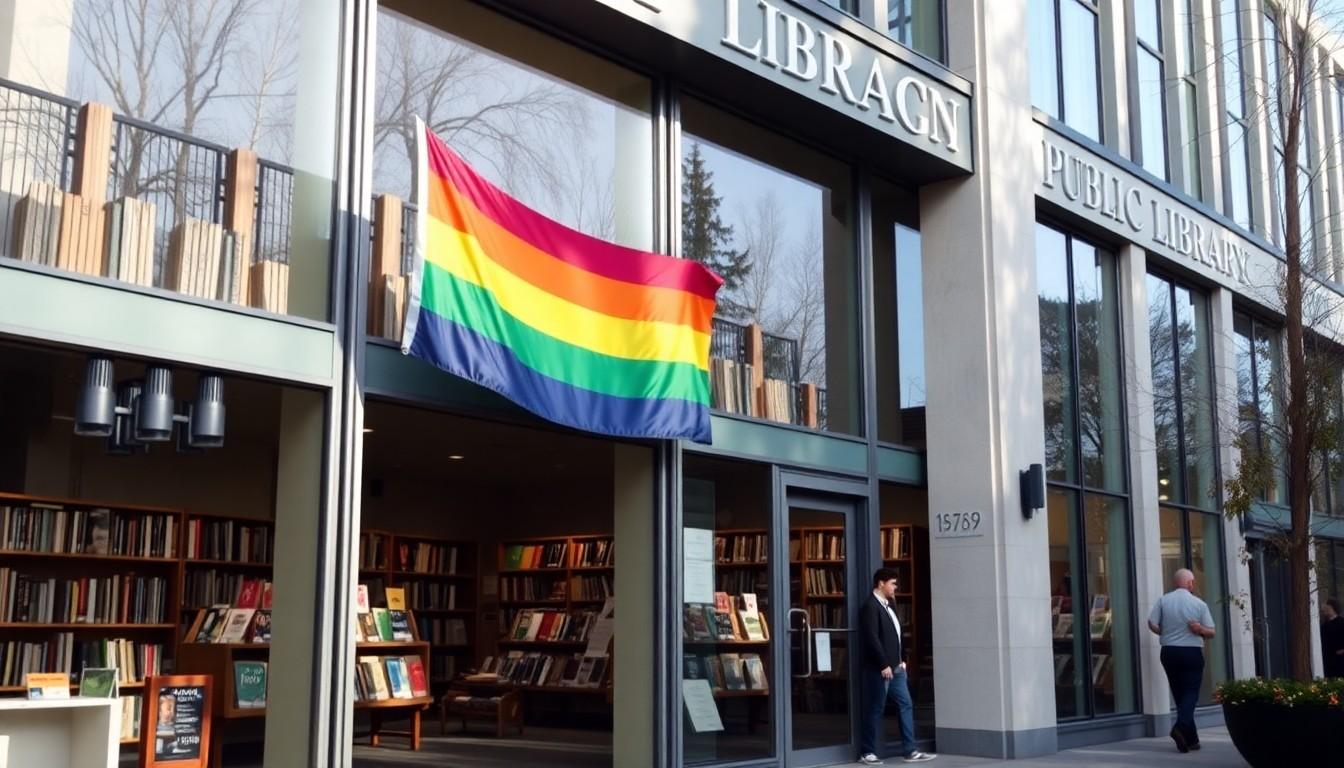
Readers are turning the spotlight on the most challenged books of 2025 as Banned Books Week returns, with libraries and literary groups defending access to stories about identity, abuse, violence and sexuality. The debate matters because attempts to remove books can shape what young people are allowed to discover, question and understand.
Essential Takeaways
- The list spans genres: Memoirs, fantasy, contemporary fiction and literary classics all feature among the challenged titles.
- Sensitive themes dominate: Objections include sexual content, drug use, violence, LGBTQIA+ themes and depictions of trafficking.
- Challenges are organised: Library groups say many removal attempts now come from coordinated campaigns rather than isolated complaints.
- The numbers are incomplete: Reported challenges represent only the cases that reach the relevant organisations.
- Banned Books Week keeps reading visible: Events encourage readers to explore contested titles and discuss why access matters.
Why these books are being challenged
The 2025 list covers an unusually broad shelf of reading. Patricia McCormick's Sold appears alongside Stephen Chbosky's The Perks of Being a Wallflower, Maia Kobabe's Gender Queer and several fantasy and young-adult titles by authors including Sarah J. Maas and Ellen Hopkins.
The objections are just as varied. Some books have been questioned because they depict trafficking, drug use or sexual abuse. Others have faced complaints over LGBTQIA+ representation, queer themes, mature situations, violence or explicit language. In other words, the list reflects arguments about both what books show and whose experiences they make visible.
Banned Books Week exists to bring those disputes into public view. Library organisations and community groups use the annual campaign to promote the freedom to read, while encouraging people to consider the difference between a personal dislike and a demand that everyone lose access.
A list that crosses genres and generations
One striking feature is the mix of contemporary favourites and older literary landmarks. A Clockwork Orange sits beside Looking for Alaska, while fantasy readers will recognise A Court of Thorns and Roses and Empire of Storms. The result feels less like a single literary movement than a snapshot of the subjects that continue to unsettle adults and institutions.
Several titles are challenged for overlapping reasons, particularly when stories include sex, violence or frank depictions of difficult lives. That can make a book feel uncomfortable, but discomfort isn't automatically a sign that it has no educational or artistic value. Sometimes it's the very reason a title prompts a useful conversation.
Banned Books Week events listed by public libraries and universities typically pair reading with talks, displays or group discussions. That approach is more constructive than treating a disputed novel as a forbidden object: readers can examine its context, audience and themes for themselves.
What a book challenge actually means
A challenge isn't always the same as a book being removed. It usually begins with a formal objection asking a library, school or other institution to restrict or relocate a title. The final outcome can depend on local policies, review committees and the pressure brought by campaigners.
That distinction matters, especially in headlines that use the word "banned" broadly. A book may be challenged several times without disappearing from every shelf, while a successful restriction can make it harder for particular readers to borrow or buy. The practical effect may still be significant, even when access remains available elsewhere.
Library groups also warn that reported figures don't capture every incident. Some complaints never reach national organisations, and smaller libraries may handle disputes quietly. So the visible list is best understood as a record of documented pressure, not a complete census of every contested book.
Why organised campaigns are changing the debate
The current conversation is increasingly shaped by coordinated campaigns involving advocacy groups, elected officials, school boards and administrators. That makes challenges more consequential than a single reader expressing concern to a librarian. It can turn a local complaint into a wider push affecting multiple schools or library systems.
The American Library Association's Banned Books Week material frames the campaign around freedom of access and the ability to encounter unfamiliar viewpoints. Recent library programming has also linked the week to civic participation, community dialogue and the role of libraries as places where people can explore ideas without being told in advance what to think.
For parents and carers, the most useful response is often practical rather than theatrical. Check the book's age guidance, read reviews from more than one perspective and talk with a young reader about difficult scenes. That supports informed choice without assuming every family must make the same decision.
How to approach a challenged title
Start with the reason given for the challenge, then look at the book as a whole. A mention of violence, sexuality or trauma doesn't tell you whether those elements are central, brief, contextualised or handled thoughtfully. Reviews, library catalogues and trusted reading guides can help provide that missing detail.
It also helps to distinguish between access and recommendation. Keeping a book available doesn't mean a school or library is telling every reader to choose it. It means people can make decisions with proper information, rather than having the decision made for them by a campaign or official body.
Banned Books Week is therefore less about celebrating every title on a list than about defending the reader's opportunity to investigate. As library events continue across schools, universities and public spaces, the most valuable outcome may be a calmer, better-informed conversation about what young people read and why.
A challenged book can be uncomfortable, but removing it rarely ends the conversation.
Source Reference Map
Story idea inspired by: [1]
Sources by paragraph:
- Paragraph 1: [2], [5]
- Paragraph 2: [3], [4]
- Paragraph 3: [6], [7]
- Paragraph 4: [2], [3]
- Paragraph 5: [4], [6]
- Paragraph 6: [5], [7]
- Paragraph 7: [2], [3]
- Paragraph 8: [4], [5]
- Paragraph 9: [6], [7]
- Paragraph 10: [2], [4]
- Paragraph 11: [3], [5]
- Paragraph 12: [6], [7]
- Paragraph 13: [2], [3]
- Paragraph 14: [4], [6]
- Paragraph 15: [5], [7]
- Paragraph 16: [2], [3]