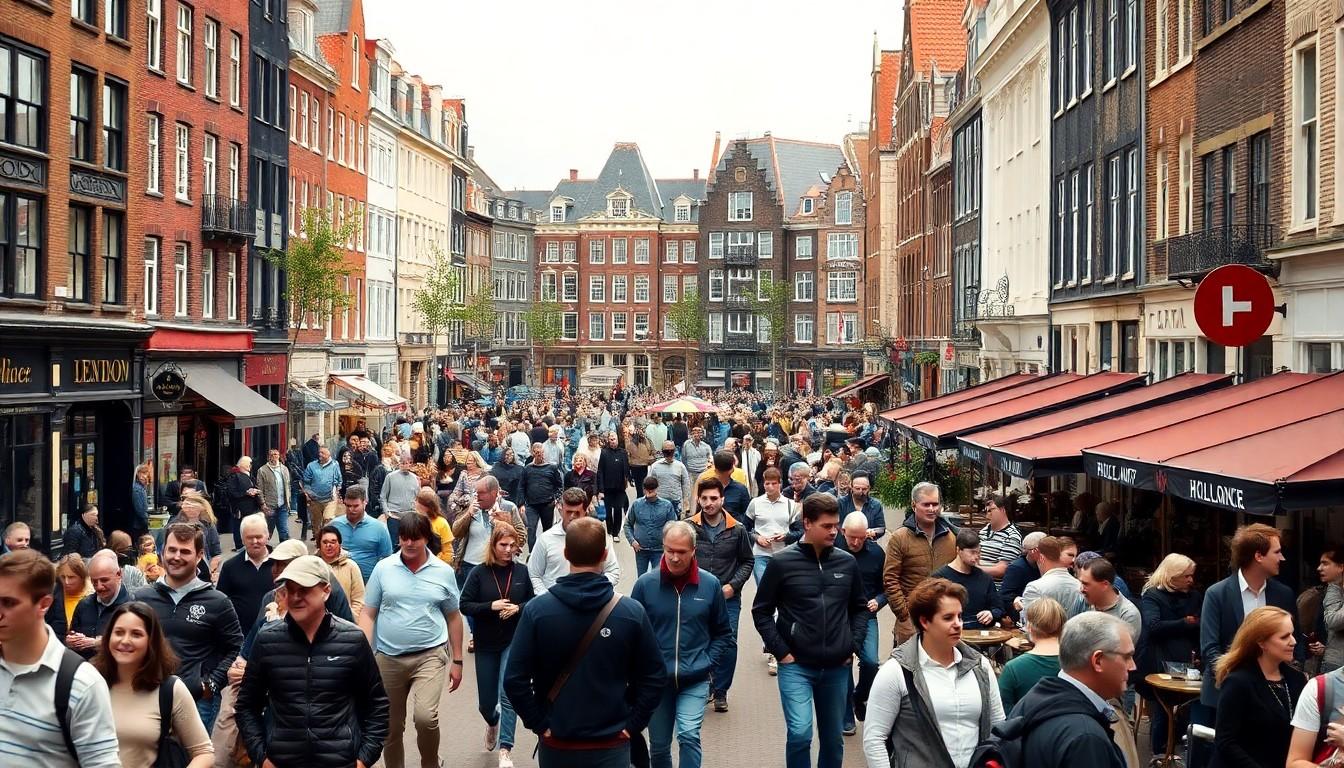
Residents and visitors are confronting a troubling reality in Amsterdam, where queer people describe abuse, threats and physical attacks in ordinary public spaces. The stories matter because they challenge the city’s inclusive image, while also pointing towards practical support through reporting services, police networks and safer bystander action.
Essential Takeaways
- Abuse is often routine: Verbal harassment can happen on streets, public transport, bicycles and outside nightlife venues.
- Physical violence leaves lasting damage: Victims describe injuries, panic, avoidance and long-term fear after attacks.
- Bystanders matter: Several incidents happened in public, yet witnesses often hesitated or stayed silent.
- Reporting creates a record: Rita can receive reports, while Roze in Blauw supports queer people contacting police.
- Emergency help is immediate: Call 112 when there’s an urgent threat or serious injury.
Amsterdam's welcoming image is being tested
Amsterdam has long marketed itself as an open, liberal city. Yet the accounts collected by Het Parool show how quickly that reputation can disappear on a pavement, beside a canal or during the journey home.
The abuse isn't always dramatic at first. It can begin with staring, mocking comments or strangers demanding an explanation of someone's appearance. But those moments create a persistent sense of being watched, judged and measured before anything physical happens.
For non-binary people, trans residents, drag performers and queer couples, visibility can feel like both freedom and risk. Clothing becomes a form of self-expression, but also something attackers use as an excuse. That contradiction is particularly painful in a city that celebrates Pride while some residents remain cautious about walking home alone.
The attacks don't stop at words
The testimonies include pushing, kicking, robbery, thrown objects and beatings. One person described being pulled from a bicycle and assaulted after leaving a Pride gathering. Another was attacked by a group of young people while cycling through a park, suffering injuries that continued to affect their confidence in public.
There are quieter dangers, too. A threatening remark, a group following someone or a sudden object thrown near their feet can alter how a person moves through the city. Afterwards, familiar situations may feel charged: a bicycle approaching from behind, a group of men nearby or an unfamiliar route after dark.
According to Het Parool, some victims still experience panic or physical reminders long after the incident. That's an important distinction: safety isn't restored simply because the attackers have left. The body remembers, and ordinary journeys can become exhausting calculations.
Why public silence makes the damage worse
Several accounts underline the role of witnesses. People were present, terraces were open and passers-by saw what was happening, but intervention was limited or absent. For someone being abused, that silence can feel like a second injury.
Bystanders don't need to confront a group directly to help. Moving closer, checking whether the victim is safe, calling emergency services or remembering details for a later report can all make a difference. A calm question such as, "Do you want to come with me?" may be more useful than a dramatic confrontation.
That responsibility shouldn't be placed on victims, of course. People should never have to perform bravery while being threatened. But visible, organised support can make public space feel less hostile, especially when the aggressors are relying on the assumption that nobody will respond.
Reporting queer hate incidents can help
Rita, short for Report it always, offers a lower-threshold way to report intimidation and harassment. Its community centre in the Reguliersdwarsstraat also gives people a physical place to seek help, which can be valuable when describing an incident online feels too formal or overwhelming.
The Amsterdam police have reported a rise in incidents connected to sexual orientation and gender identity, according to the article. Roze in Blauw, a police network with queer and queer-sensitive officers, can be contacted around the clock on 088-1691234 or by email at [email protected].
Rita passes reports of physical violence to the police, but victims are also encouraged to make their own statement where possible. That can feel daunting, particularly after an assault or when memories are incomplete. Still, reporting helps create a record and may connect separate incidents that otherwise look isolated.
What to do if you witness or experience abuse
If you're in immediate danger, call 112. Move towards a busy, well-lit place if you can, and contact someone you trust. Afterward, write down the time, location, descriptions, exact words used, injuries and names of witnesses while the details are still fresh.
If you witness an attack, prioritise safety rather than trying to play hero. Call for help, stay nearby if it won't put you at risk and ask the targeted person what they need. Offering to accompany them, wait for police or help them reach a friend can be quietly powerful.
The broader lesson is uncomfortable but useful: tolerance can't be measured by a colourful parade or a welcoming nightlife district alone. It shows up when someone is harassed on an ordinary street, and the people nearby decide not to look away.
Safer streets depend on reporting, support and bystanders who choose to act.
Source Reference Map
Story idea inspired by: [1]
Sources by paragraph:
- Paragraph 1: [2], [4]
- Paragraph 2: [3], [5]
- Paragraph 3: [2], [6]
- Paragraph 4: [4], [7]
- Paragraph 5: [2], [3]
- Paragraph 6: [5], [6]
- Paragraph 7: [2], [4]
- Paragraph 8: [3], [7]
- Paragraph 9: [2], [5]
- Paragraph 10: [4], [6]
- Paragraph 11: [2], [3]
- Paragraph 12: [5], [7]
- Paragraph 13: [2], [4]
- Paragraph 14: [3], [6]
- Paragraph 15: [5], [7]