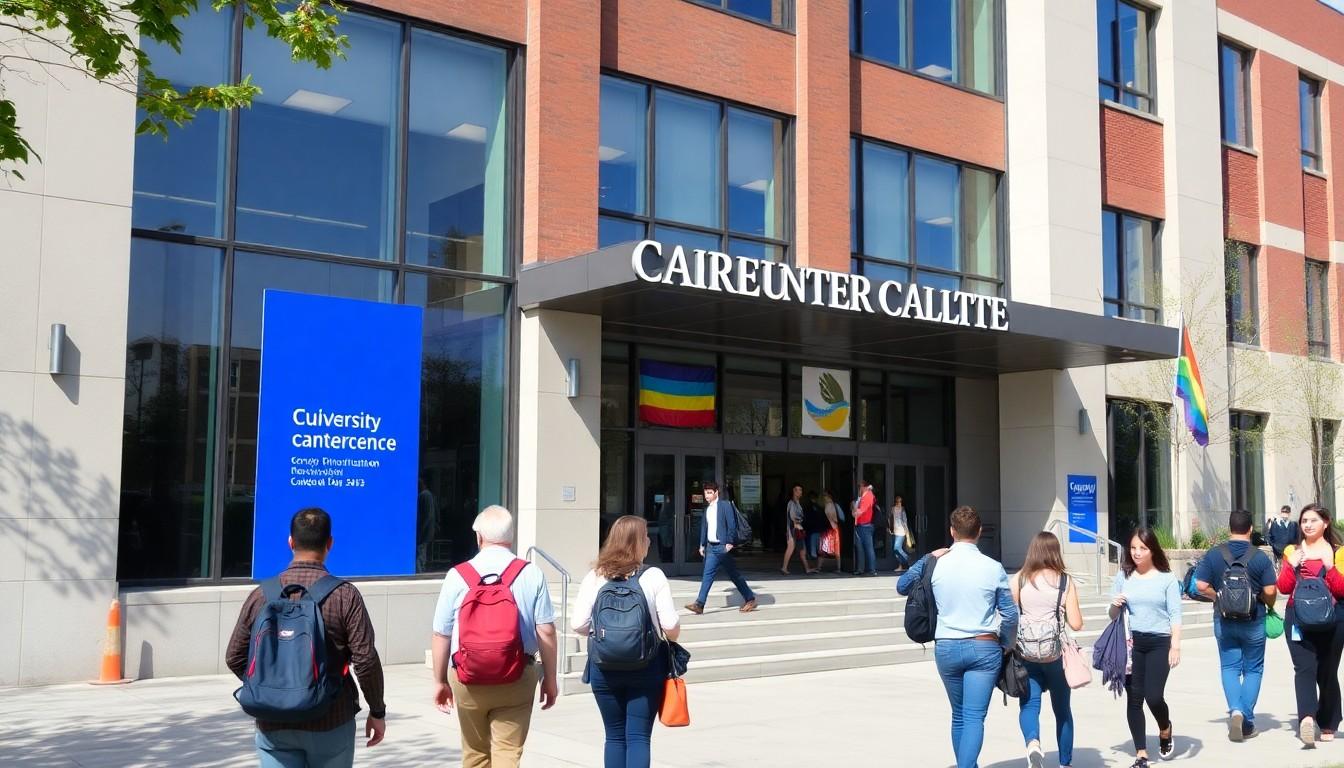
Students and early-career professionals are looking beyond salary when choosing a job, asking whether a workplace will feel safe, supportive and genuinely welcoming. Advice from a University of Maryland panel, alongside LGBTQ professional networks and mentoring organisations, offers practical ways to assess workplace culture before accepting an offer.
Essential Takeaways
- Ask about mentoring: Strong mentoring schemes can reveal how seriously an employer supports development and belonging.
- Check visible support: Employee resource groups, inclusive facilities and LGBTQ networks are useful signs, although they should be considered alongside everyday culture.
- Know your priorities: Decide which benefits, policies and behaviours matter most to you before an interview.
- Authenticity takes energy: Being open at work can feel empowering, but nobody should feel obliged to disclose more than they're comfortable sharing.
- Look beyond the employer: External networks and mentors can offer perspective, confidence and useful career connections.
Mentoring can reveal more than a polished careers page
A workplace's mentoring culture can tell you plenty before anyone mentions Pride, rainbow logos or inclusion slogans. At a University of Maryland career event, mechanical engineering project manager Jenna Marcus suggested asking how mentoring works and how important it is to the wider organisation.
That question is deceptively useful. A company that invests in guidance, progression and meaningful relationships may be more likely to support people from under-represented groups, including LGBTQ employees. OutCare Health and Linked Mentoring also highlight mentoring as a way to build professional confidence and connection, particularly when finding an experienced role model isn't straightforward.
Try asking, "How are new employees supported in their first year?" or "Can you tell me about mentoring and development opportunities?" The answers may reveal whether support is structured, informal or mostly left to chance.
The right interview questions can save you guesswork
Some applicants will want to ask directly about LGBTQ inclusion, while others may prefer to gather clues gradually. Both approaches are valid. Ron Padrón, speaking at the Maryland panel, encouraged students to ask about employee resource groups, all-gender toilets and the practical support available to queer and trans colleagues.
Look for specifics rather than broad assurances. An employer might describe a Pride network, paid volunteering, inclusive healthcare benefits or training for managers. BCG, for example, presents Pride as part of its workplace culture, while Out Equal is a prominent organisation focused on LGBTQ workplace equality and professional inclusion.
You don't need to turn an interview into an interrogation. Pick two or three questions that matter most to you, then listen for detail. A warm, informed answer feels very different from a vague statement about everyone being welcome.
Culture matters as much as policy
A formal policy is important, but it isn't the whole story. Tara Youngborg, another panellist, urged students to consider their priorities and assess the resources around them before deciding whether a workplace is right.
That means looking at the full picture: senior leadership, colleagues, promotion patterns, benefits, flexibility and how managers respond when problems arise. LGBTQ professional communities such as ALPFA's Pride Network and Pride Professionals can also help candidates compare experiences and find people who understand the questions behind the questions.
A useful tactic is to speak with more than one employee if you can. Ask what collaboration feels like day to day, whether staff groups are active and how often inclusion appears outside awareness months. The small details, from who gets heard in meetings to whether people can bring their whole selves to work, often matter most.
Authenticity should be your choice, not a workplace test
The panel also explored the emotional cost of being visibly LGBTQ in environments where representation is limited. Fire engineer Marlon Cruz described the strain of carrying that responsibility, while also stressing the importance of pride, joy and creating a better path for younger professionals.
That tension deserves attention. Visibility can help others feel less alone, but coming out at work is personal and should never be treated as an obligation. An inclusive employer makes room for openness without making disclosure the price of belonging.
External networks can provide a useful safety net, especially when a new job feels uncertain. Organisations and communities connected with Out Equal, ALPFA and Pride Professionals offer opportunities to meet peers, share experiences and build confidence beyond one employer's walls.
Build a career that feels sustainable
For students, the best job search isn't simply about landing the first offer. It's about finding a setting where learning, safety and progression can coexist, even if no workplace gets everything right.
Before an interview, write down your non-negotiables and your nice-to-haves. Then research the employer, check whether its inclusion work appears consistent and prepare questions that feel natural to you. If the answers leave you uneasy, pay attention to that instinct; your future self may be grateful.
As one student attendee, Gracie Wilson, hoped, a career should offer happiness as well as opportunity. That's a modest ambition, but it remains a powerful standard.
Choose the workplace where support feels real, not merely well branded.
Source Reference Map
Story idea inspired by: [1]
Sources by paragraph:
- Paragraph 1: [2], [3]
- Paragraph 2: [4], [5]
- Paragraph 3: [6], [7]
- Paragraph 4: [2], [4]
- Paragraph 5: [3], [5]
- Paragraph 6: [6], [7]
- Paragraph 7: [2], [4]
- Paragraph 8: [3], [6]
- Paragraph 9: [4], [7]
- Paragraph 10: [2], [5]
- Paragraph 11: [3], [6]
- Paragraph 12: [4], [7]
- Paragraph 13: [2], [3]
- Paragraph 14: [5], [6]
- Paragraph 15: [4], [7]
- Paragraph 16: [2], [5]