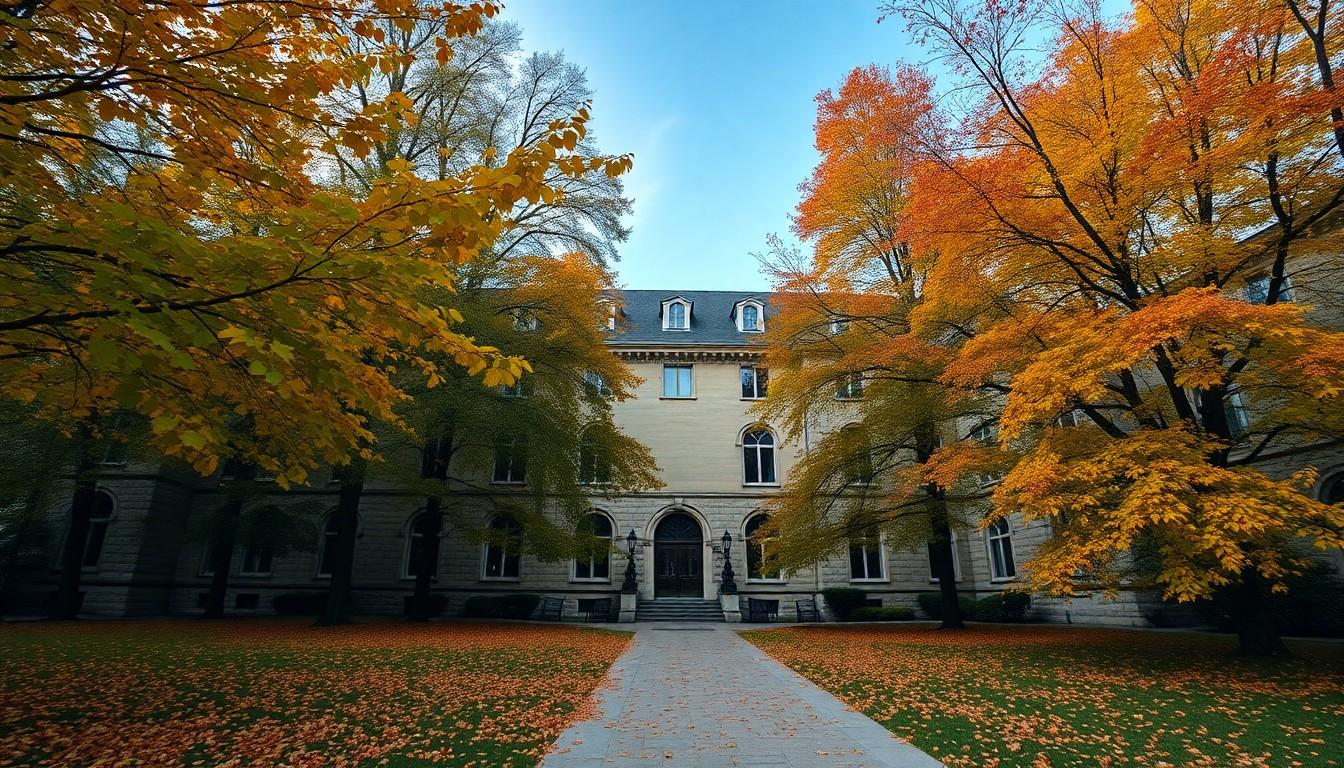
Readers are being invited to pause over autumn leaves, cooler air and the quiet beauty of seasonal change. This latest moment of zen from The Closet Professor turns a familiar outdoor scene into a gentle reminder to slow down, notice nature and make room for reflection, whether you're walking through a park or simply looking out of the window.
Essential Takeaways
- Seasonal calm: Fallen leaves offer a simple visual cue to pause and reset.
- A familiar tradition: The blog's recurring “moment of zen” theme returns to nature as a source of quiet reflection.
- Low-cost wellbeing: A short walk outdoors can provide a welcome break from screens and clutter.
- A reflective mood: Autumn's muted colours and cooler temperatures create a softer, more contemplative atmosphere.
Autumn leaves make an ordinary walk feel special
There’s something instantly calming about a carpet of russet and gold beneath your feet. The colours are warm, the air feels sharper and even a familiar path can seem newly arranged, as if nature has quietly refreshed the scenery overnight.
The latest autumn-themed post from The Closet Professor fits neatly into that mood. Rather than presenting nature as a grand spectacle, it treats a small seasonal detail as an invitation to stop and look. That modesty is part of the appeal: you don't need a remote woodland or a carefully planned retreat to find a few peaceful minutes.
Why these small moments of zen keep returning
The blog's recurring nature posts suggest a simple idea: reflection doesn't always need a lengthy explanation. Sometimes an image, a change in weather or the sight of leaves gathering along a pavement can do the work more effectively than a page of advice.
Earlier entries have returned to autumn, nature walks, cooler weather and the feeling of completion. Taken together, they create a gentle seasonal diary, with each post capturing a different shade of quiet. According to the related archive material, the theme has become a familiar part of the publication's wider focus on art, culture, history and personal reflection.
Nature walks offer an easy reset
A short walk can be surprisingly useful when your attention feels scattered. Leave the phone in your pocket, notice the sound of leaves underfoot and let the pace become a little less hurried. It’s not a dramatic wellness programme, but that’s precisely why it feels achievable.
For a more rewarding autumn walk, choose comfortable shoes and a route with varied scenery. Parks, canal paths and tree-lined streets can all work, especially when the light is soft. If the weather turns damp, a waterproof layer helps keep the experience pleasant rather than turning your quiet stroll into an argument with your umbrella.
The beauty of seasonal change is its imperfection
Autumn rarely looks polished. Leaves become mottled, paths get muddy and branches lose their fullness. Yet those imperfections are what make the season feel honest, offering a visual reminder that change can be beautiful without being tidy.
That idea also connects with wider conversations about decluttering and making space. Rescue My Space has noted that reducing physical clutter can make rooms feel calmer, and the same principle can apply outdoors and mentally: fewer distractions can leave more room for noticing what’s already there.
A quiet image can linger longer than expected
The strongest nature photographs don't always show the most dramatic view. A close-up of leaves, a muted patch of woodland or a nearly empty path can stay with you because it leaves space for your own thoughts. There’s no hard sell, no complicated instruction and no pressure to feel anything on command.
That makes this kind of post an appealing pause in a busy feed. Autumn arrives, changes the landscape and then moves on, but a well-observed moment can encourage readers to look more carefully at their own surroundings. Sometimes, your local path has more atmosphere than you gave it credit for.
Closing Line
Take the next quiet autumn moment when it finds you.
Source Reference Map
Story idea inspired by: [1]
Sources by paragraph: