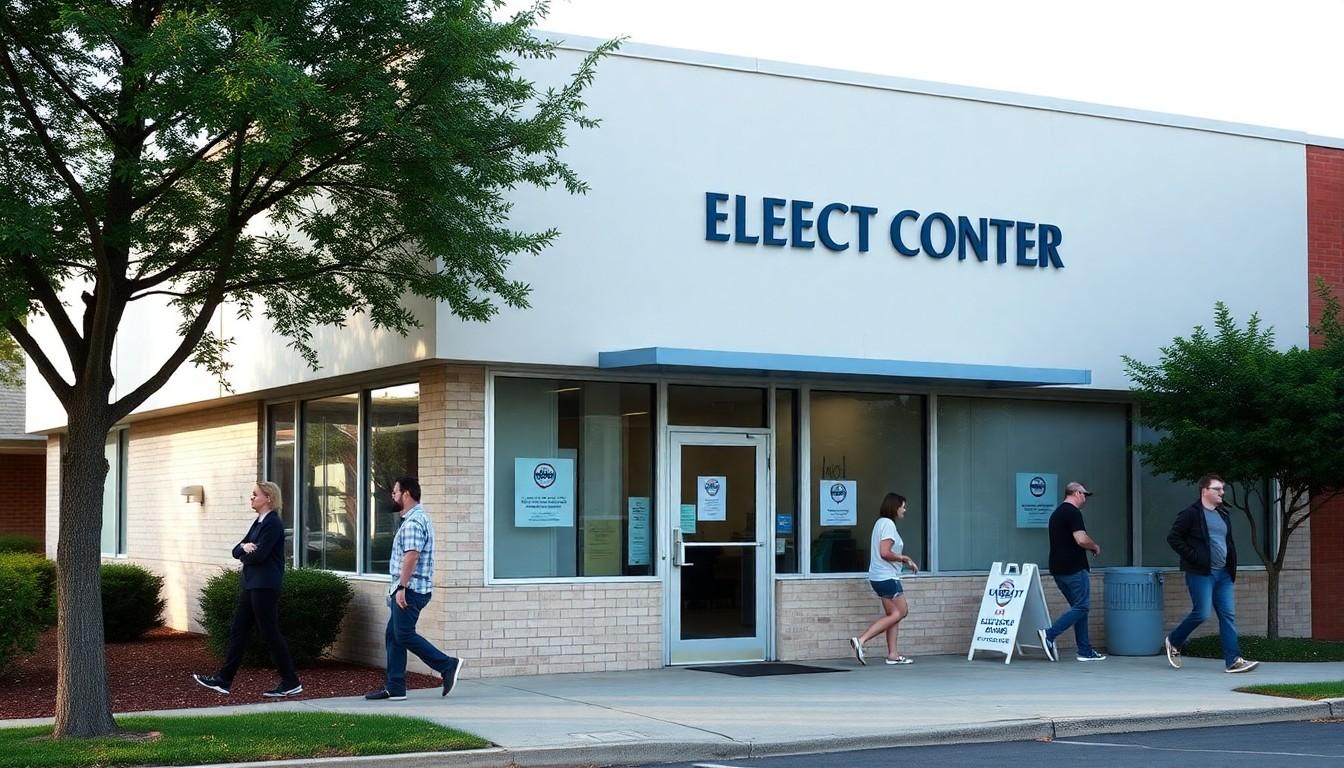
Voters are being asked to look beyond a barrage of anti-transgender advertising as the US midterm election approaches. Human Rights Campaign president Kelley Robinson argues that candidates should resist political distractions, defend vulnerable communities and focus on issues that affect household budgets, schools and public safety.
Essential Takeaways
- Anti-trans advertising is surging: Republican-aligned groups are spending heavily on transgender-related attacks during a competitive election cycle.
- Local politics matter: School boards influence book access, LGBTQ+ inclusion and everyday safeguarding in classrooms.
- Sports debates need care: Experts, schools and families are better placed than politicians to handle participation rules.
- Trans voters may face hurdles: ID mismatches can create problems at polling stations, but provisional ballots and voter-protection services may help.
- The stakes extend beyond one community: Human Rights Campaign reports link anti-LGBTQ+ policies with a wider climate of hostility and violence.
The election message Democrats are being urged to ignore
The most striking feature of the current campaign isn't simply the volume of anti-transgender rhetoric. It's the way the issue is being used to pull attention away from more immediate concerns, from prices and jobs to foreign policy and healthcare.
According to Human Rights Campaign messaging, Republican strategists and allied groups have increasingly treated transgender people as a political wedge. The organisation says the approach is designed to generate fear rather than solve the problems voters encounter in daily life. Axios has also reported on the growing role of anti-LGBTQ+ advertising in election strategy and political fundraising.
Robinson's advice to Democratic candidates is blunt: answer attacks clearly, but don't let them dictate the entire conversation. That means acknowledging genuine questions without repeating exaggerated claims so often that they become the campaign's central story.
It's a familiar political trap. A candidate can spend days rebutting a provocative advert, only to give the advert even more oxygen.
Why transgender rights became such a powerful political target
The shift didn't happen overnight. After the Supreme Court's 2015 decision recognising same-sex marriage nationwide, conservative campaigners looked for another cultural issue capable of energising religious-right voters. Transgender rights, particularly debates about children and sport, became the next focus.
Human Rights Campaign material argues that the resulting legislative wave has been strikingly broad, with restrictions introduced across education, healthcare and public life. Axios has tracked hundreds of anti-LGBTQ+ bills introduced or passed across the US during the past decade.
The numbers involved are small in many of the specific disputes, but the political symbolism is large. A school sports rule or a document requirement can be presented as a question of national identity, even when it affects only a handful of pupils or voters in a particular district.
That helps explain why the rhetoric can feel so outsized. The policies are often local, while the advertising is national, emotional and relentlessly polished.
What sports debates leave out
Fairness in women's sport is one of the most difficult subjects for Democrats to discuss, especially with parents who worry about competitive opportunities for their daughters. Those concerns shouldn't be mocked or waved away. But they also shouldn't be used as a shortcut to blanket exclusion.
The practical reality is more complicated than campaign adverts suggest. Rules differ between school districts, leagues and governing bodies, while age, competition level and the sport itself can all matter. Human Rights Campaign commentary stresses that decisions should involve coaches, families, administrators and medical or sporting specialists rather than being imposed through sweeping political slogans.
Cases involving transgender athletes such as Mack Beggs have also shown how rigid laws can produce results that defy the rhetoric. Beggs, a transgender boy in Texas, was required to compete in the girls' category under state rules, despite wanting to compete with boys.
For parents searching for a sensible approach to transgender inclusion in youth sports, the starting point should be the child's age, the level of competition and the rules of the relevant organisation. A policy that works for a primary-school recreation league may not translate neatly to elite competition. There isn't a responsible one-size-fits-all answer.
Schools are where the political argument becomes personal
National campaign slogans can seem distant until they arrive at the school gate. Then the stakes become tangible: which books remain on shelves, whether pupils feel welcome and who gets to decide what children learn about history, identity and society.
School board elections therefore deserve more attention than their low turnout usually receives. Board members can influence safeguarding policies, library access, staff guidance and responses to parent complaints. Human Rights Campaign's Safe Schools Champion programme is intended to support candidates who favour LGBTQ+ inclusive school policies.
Book restrictions add another layer. PEN America recorded a record number of school-book removals in the latest period it studied, with challenges frequently involving race, sexuality and gender identity. Those figures underline a useful point for voters: school policy is not only decided in Washington or a state capital. It is often settled by people elected in a low-profile local contest.
If you're assessing a school board candidate, look beyond the campaign leaflet. Check their position on library reviews, student safety, curriculum transparency and whether rules apply consistently to all families. Quiet competence is generally more useful than online outrage.
Healthcare and voter access raise the stakes
The argument also reaches into medical care. Robinson described puberty blockers and hormone treatment for gender dysphoria as evidence-based healthcare, while opponents continue to push for political restrictions. Human Rights Campaign's wider reporting places these disputes within a broader pattern of anti-LGBTQ+ hostility, including threats and violence affecting transgender people.
Families are understandably anxious when coverage rules change. Removing Medicaid support can turn a medical decision into a financial crisis, especially for households already struggling with rent, food and insurance costs. The sensible question is whether decisions are being made by patients, parents and qualified clinicians, or by politicians seeking a campaign advantage.
Voting access presents a more immediate practical challenge. In states with strict identification rules, a transgender voter's name or gender marker may not match their current presentation. The same problem can affect anyone who has recently married, changed their name or updated documents unevenly.
Before election day, check your state's ID requirements and registration details. If you're refused a regular ballot, ask whether you can cast a provisional ballot and contact the non-partisan Election Protection hotline on 866-OUR-VOTE. Going with trusted companions can also provide reassurance and witnesses if a dispute arises.
Why this campaign matters beyond November
The election argument isn't only about which party handles a difficult issue most effectively. It's about whether a small, marginalised group can be turned into a permanent campaign prop.
Human Rights Campaign says anti-LGBTQ+ attacks sit alongside a wider rise in reported violence and intimidation. Its research on violence against transgender people adds a grim context to debates that are often presented as harmless political theatre. For families and young people living with the consequences, the language used on television can feel anything but abstract.
There is also a broader democratic question. If politicians can make access to sport, school books, healthcare or the ballot conditional for one group, other groups may eventually face similar tests. That doesn't mean every policy debate is identical, but it does mean voters should examine where a proposed restriction leads.
A calmer, more informed conversation won't produce the loudest advert. It may, however, produce better decisions.
It's worth looking past the campaign noise and checking who is protecting practical rights where you live.
Source Reference Map
Story idea inspired by: [1]
Sources by paragraph:
- Paragraph 1: [4], [6]
- Paragraph 2: [2], [4]
- Paragraph 3: [3], [4]
- Paragraph 4: [7]
- Paragraph 5: [7]
- Paragraph 6: [2], [7]
- Paragraph 7: [2], [7]
- Paragraph 8: [5]
- Paragraph 9: [4], [5]
- Paragraph 10: [4], [7]
- Paragraph 11: [4], [5]
- Paragraph 12: [5]
- Paragraph 13: [4], [5]
- Paragraph 14: [5]
- Paragraph 15: [4], [6]
- Paragraph 16: [5]
- Paragraph 17: [4], [5]
- Paragraph 18: [4], [7]