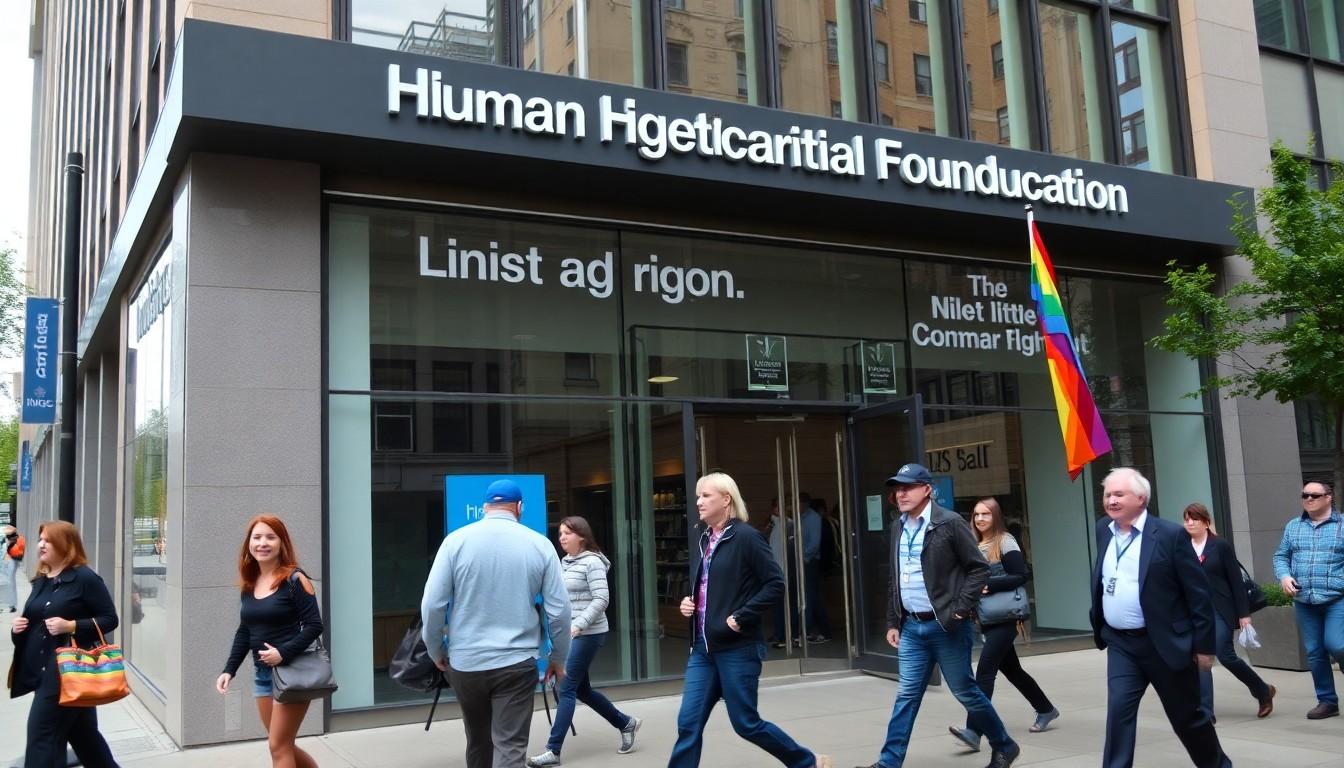
LGBTQ voters are heading into the 2026 US midterm elections with striking determination, as new survey data points to civil rights, financial strain and democratic accountability shaping their choices. The findings matter well beyond the ballot box, offering a snapshot of what many voters feel is at stake in races from Congress to local government.
LGBTQ voters say they’re ready to turn out
The clearest message from the survey is simple: participation looks highly likely. Eighty-seven per cent of respondents said they planned to vote, while a further 7.5 per cent said they’d probably do so, according to Human Rights Campaign Foundation data.
That level of intention suggests a community paying close attention to the political landscape. It also gives campaigns a useful warning: LGBTQ voters aren’t treating the midterms as background noise. As the Human Rights Campaign’s midterm guide explains, contests for Congress, state offices and local posts can all influence rights and public policy. [2], [3]
The survey was carried out online between 5 August and 8 September among LGBTQ+ adults recruited through the foundation’s Community Insights Research Panel. It included 9,328 respondents, making it a substantial look at current priorities, although, like any panel survey, it reflects the people who took part rather than every LGBTQ voter in America. [2]
Civil rights remain the defining concern
Civil rights and equal protection topped the list by a considerable margin. Nearly three-quarters of respondents, 73.7 per cent, identified these issues as a leading concern, covering LGBTQ+ people as well as people of colour, women, people of faith and other communities.
That broad framing is important. It suggests voters are connecting LGBTQ+ rights with a wider question about whether legal protections should apply consistently, rather than viewing each issue in isolation. The Human Rights Campaign’s civic-engagement research has similarly highlighted the community’s role in political participation and advocacy. [2], [4]
For many voters, the stakes can feel intensely personal. Questions about healthcare access, workplace security, family recognition and protection from discrimination aren’t abstract policy debates when they touch everyday life.
Money worries are shaping the ballot too
Rights may be the headline issue, but economic pressure is close behind. Thirty-six per cent of respondents cited economic stability, inflation and the cost of living, while 33 per cent pointed to government accountability and corruption.
Healthcare, the functioning of democracy and elections, and abortion and reproductive rights each attracted 27 per cent. Immigration and border policy followed at 23 per cent. The mix paints a picture of voters balancing immediate household worries with bigger concerns about institutions and personal freedoms. [2]
That combination is hardly surprising. People can care deeply about civil rights while also worrying about rent, food bills or keeping a job. In fact, the two concerns often overlap: financial insecurity can make it harder to access healthcare, move somewhere safer or respond to discrimination.
What the figures mean for campaigns
The data offers campaigns a fairly clear lesson: broad appeals probably won’t be enough. LGBTQ voters are looking for candidates who can discuss rights and economic realities in the same conversation, without treating either as a side issue.
The Human Rights Campaign’s resources on LGBTQ political engagement point to a community with established networks, civic awareness and a history of organising. That could make turnout efforts particularly influential in closely fought races, especially where margins are narrow. [3], [4]
At the same time, motivation doesn’t automatically translate into a completed ballot. Registration deadlines, voter-identification rules, access to early voting and local election information can all affect whether intention becomes participation. Voters should check official state or county election websites for current requirements rather than relying on social media posts or old guidance.
A community weighing visibility and risk
The political mood also sits alongside a broader debate about visibility. Research and commentary from the Human Rights Campaign describe LGBTQ+ people continuing to choose openness and community presence even during difficult periods, though that choice can carry real personal and social risks. [6]
That context adds emotional weight to the turnout figures. Voting is one route for making a voice count, but it’s also part of a larger pattern of community action, from contacting representatives to supporting local organisations and staying informed about school boards, councils and state legislatures.
The 2026 midterms are still ahead, so priorities may shift as campaigns develop and new events change the conversation. For now, the message is unusually direct: LGBTQ voters feel the pressure, understand the consequences and appear ready to respond.
A motivated electorate can make every vote count, especially in races decided by a handful of ballots.
Source Reference Map
Story idea inspired by: [1]
Sources by paragraph: